What role does hot-dip galvanizing technology play in guardrail products?
2026-09-18
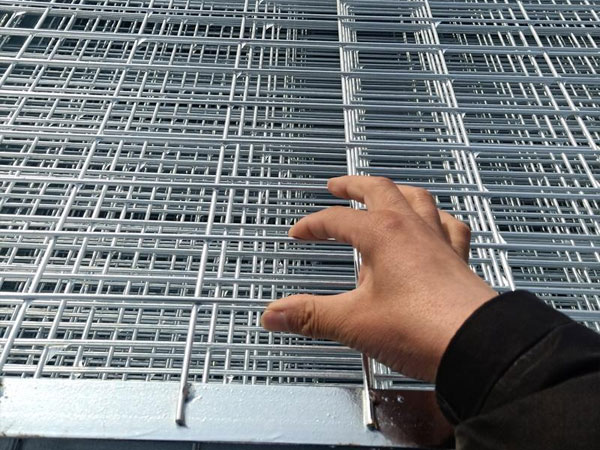
Guardrails come in a wide variety of types, categorized by material, appearance, function, purpose, hardness, and scope of application. Examples include zinc-steel, zinc-alloy, plastic-steel, color-coated steel, stainless steel, aluminum alloy, cast iron, wire mesh, wrought iron, stone, jade, bamboo/wood, fabric, plastic, fiberglass (FRP), and concrete/cement guardrails. Among these, stainless steel and zinc-steel guardrails are the most common; so, which one is better?
When purchasing guardrails, customers often struggle to decide which material offers the best balance of quality and price. Currently, zinc-steel and stainless steel guardrails are the most frequently used options on the market. Stainless steel entered the Chinese market earlier, so the public is more familiar with it, whereas zinc-steel guardrails arrived later and are less widely understood.
Both materials have their own advantages and disadvantages, and their performance varies significantly depending on the setting. There is no absolute "best" or "worst"; only a product suited to the specific environment can effectively provide protection and separation.
Hot-dip galvanizing technology plays a crucial role in modern guardrail production. Simply put, it ensures high quality and effectively extends the guardrail's service life. What exactly are its benefits?
1. Low processing cost: In terms of rust prevention, this method is more cost-effective than other types of coatings.
2. Durability: Standard hot-dip galvanizing provides corrosion resistance, ensuring the guardrail requires no maintenance or repair for up to 50 years.
3. High reliability: The bond between the zinc layer and the steel is metallurgical; the coating is firmly anchored to the steel surface, offering exceptional durability and reliability.
4. Tough coating: Advanced technology creates a unique metallurgical structure in the zinc coating, allowing it to withstand damage that might occur during transport or use.
5. Comprehensive protection: Every corner and crevice of the component is galvanized, ensuring effective rust prevention and long-term durability. 6. Saves time and effort: The entire galvanizing process is more convenient than other similar methods, effectively eliminating significant, unnecessary waste of time.
The implementation of hot-dip galvanizing technology has brought welcome news to the guardrail mesh industry; it effectively avoids potential negative issues associated with earlier methods and paves the way for the long-term use of guardrail mesh.
When purchasing guardrails, customers often struggle to decide which material offers the best balance of quality and price. Currently, zinc-steel and stainless steel guardrails are the most frequently used options on the market. Stainless steel entered the Chinese market earlier, so the public is more familiar with it, whereas zinc-steel guardrails arrived later and are less widely understood.
Both materials have their own advantages and disadvantages, and their performance varies significantly depending on the setting. There is no absolute "best" or "worst"; only a product suited to the specific environment can effectively provide protection and separation.
Hot-dip galvanizing technology plays a crucial role in modern guardrail production. Simply put, it ensures high quality and effectively extends the guardrail's service life. What exactly are its benefits?
1. Low processing cost: In terms of rust prevention, this method is more cost-effective than other types of coatings.
2. Durability: Standard hot-dip galvanizing provides corrosion resistance, ensuring the guardrail requires no maintenance or repair for up to 50 years.
3. High reliability: The bond between the zinc layer and the steel is metallurgical; the coating is firmly anchored to the steel surface, offering exceptional durability and reliability.
4. Tough coating: Advanced technology creates a unique metallurgical structure in the zinc coating, allowing it to withstand damage that might occur during transport or use.
5. Comprehensive protection: Every corner and crevice of the component is galvanized, ensuring effective rust prevention and long-term durability. 6. Saves time and effort: The entire galvanizing process is more convenient than other similar methods, effectively eliminating significant, unnecessary waste of time.
The implementation of hot-dip galvanizing technology has brought welcome news to the guardrail mesh industry; it effectively avoids potential negative issues associated with earlier methods and paves the way for the long-term use of guardrail mesh.
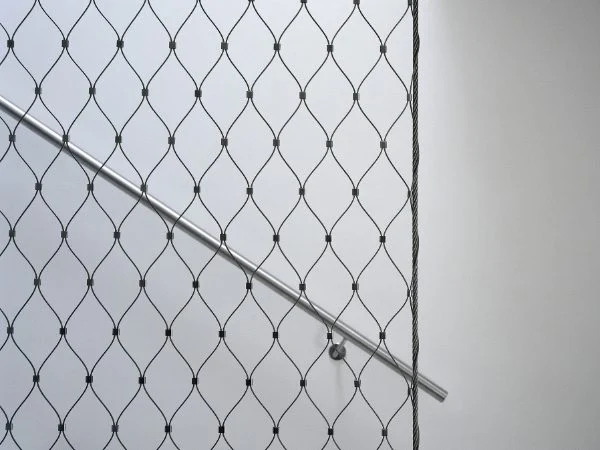 When it comes to balcony safety, it is worth learning more about stainless steel cable mesh fall-prevention netting.
 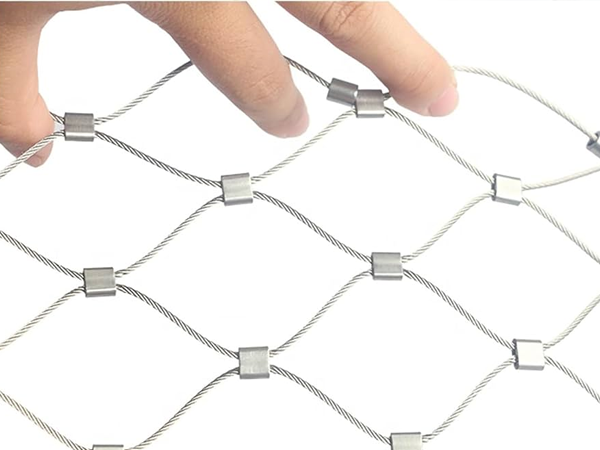 Understanding the Multifaceted Engineering Value of Stainless Steel Rope Mesh
  How to determine whether manufactured welded wire mesh meets quality standards
 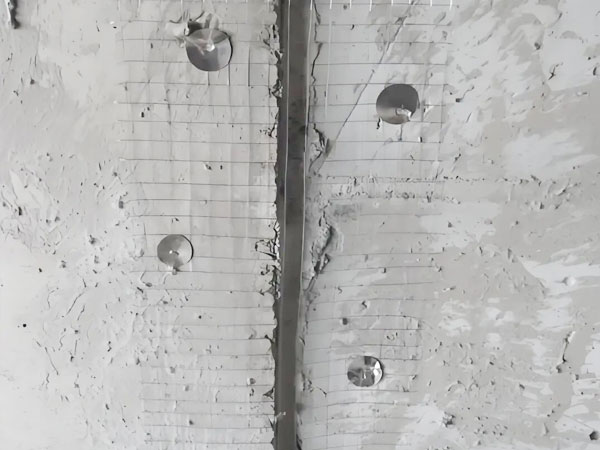 Why is mesh used for wall plastering?
 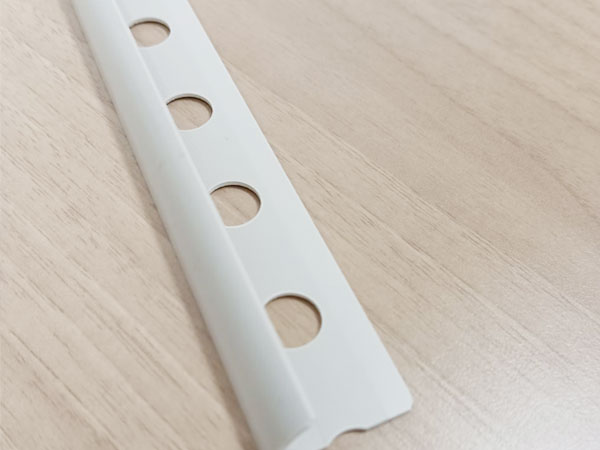 Four simple steps to teach you how to install wall corner protectors
  How to make the mesh fabric adhere more firmly during external wall insulation?
  4 Practical Tips for Buying Fiberglass Mesh
 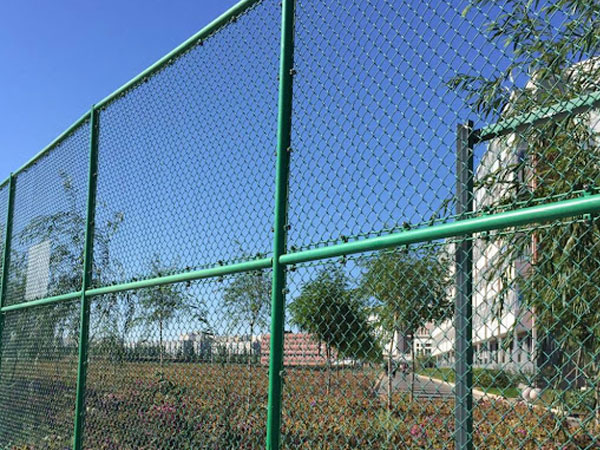 How to Choose Chain-Link Mesh
 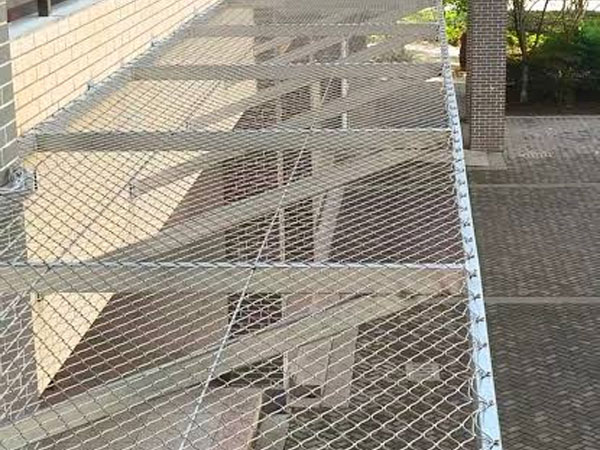 Five Key Reasons to Choose Stainless Steel Rope Mesh: Reliability and Cost-Effectiveness
 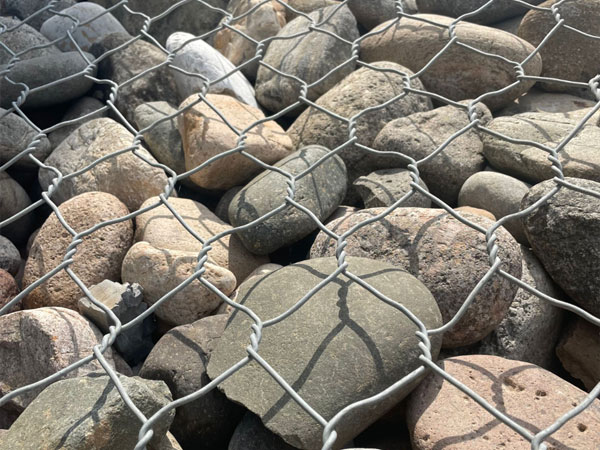 How can gabion mesh be applied in complex terrain?
 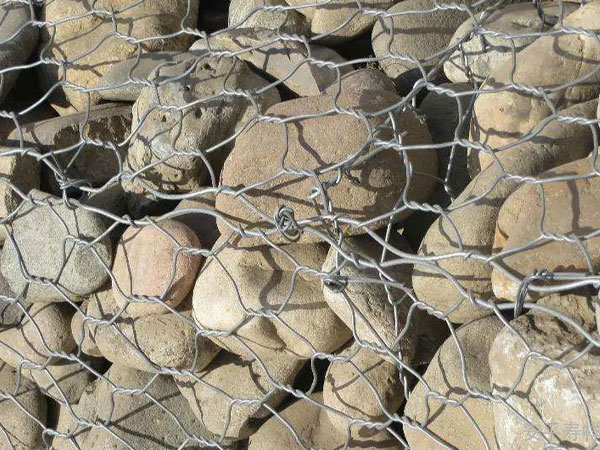 How much do you know about the tensile strength and elongation of Gabion mesh?
 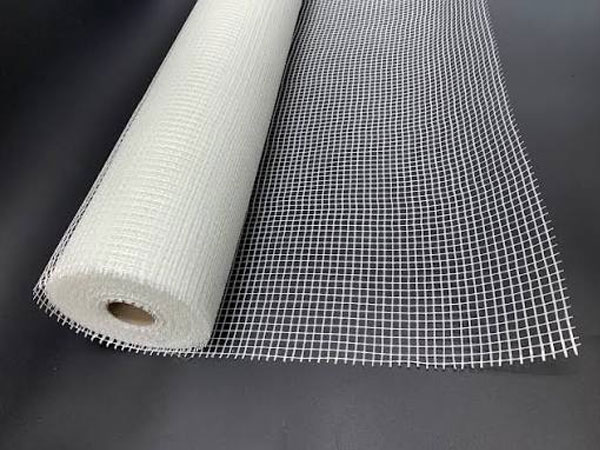 How to distinguish the quality of fiberglass mesh?
 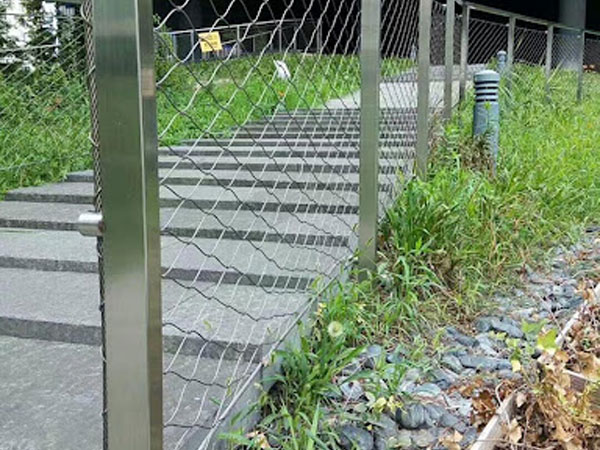 Can magnets attract stainless steel wire mesh?
 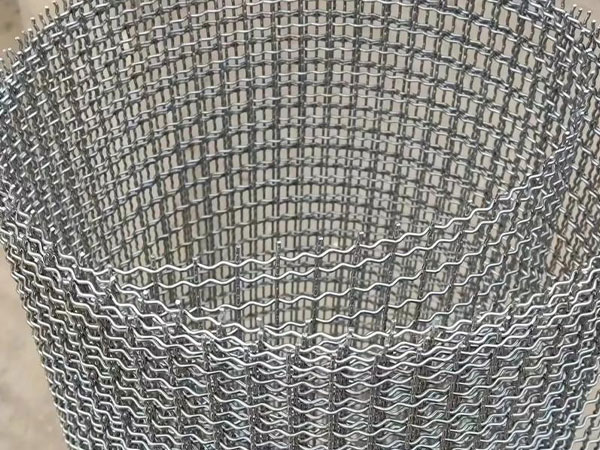 Introduction to two methods of weaving netting
 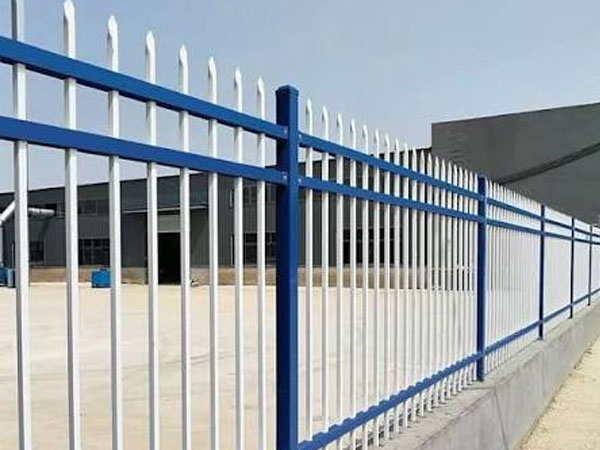 Features and uses of zinc-coated steel guardrails
 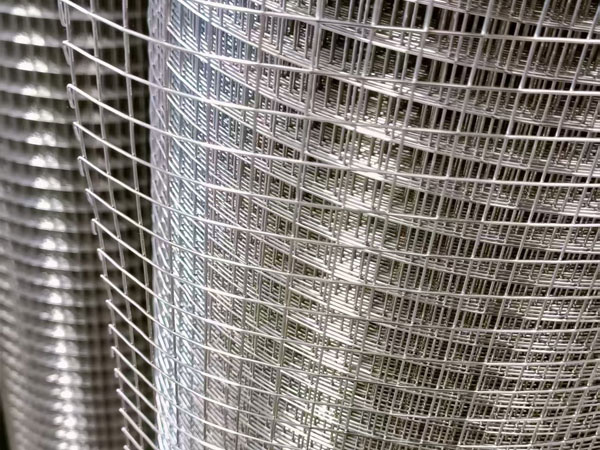 What material is best for welded wire mesh?
 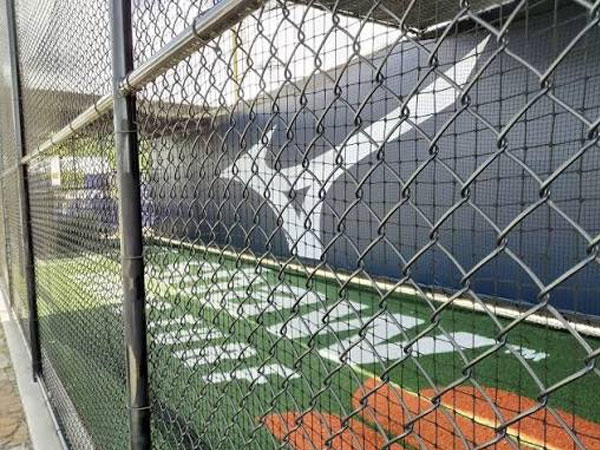 Stadium fencing also has these features
 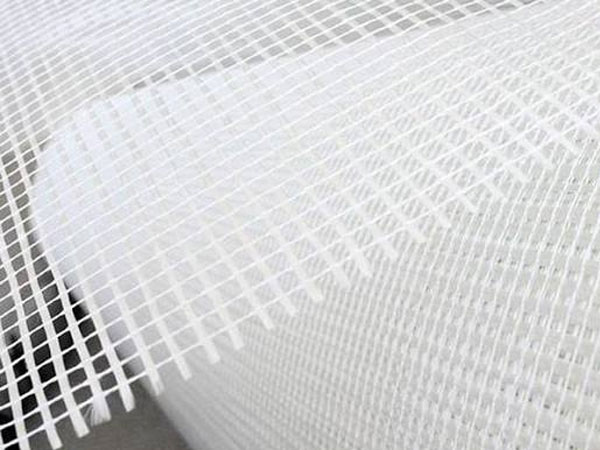 What is the difference between alkali-resistant fiberglass mesh and standard fiberglass mesh?
 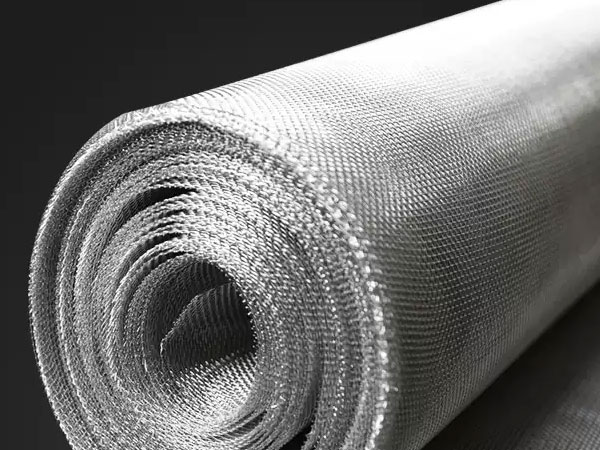 What are the quality assurance testing standards for GB 304 stainless steel mesh?
  How do you determine whether the quality of stainless steel welded wire mesh meets the standards?