How to Choose Chain-Link Mesh
2026-08-31
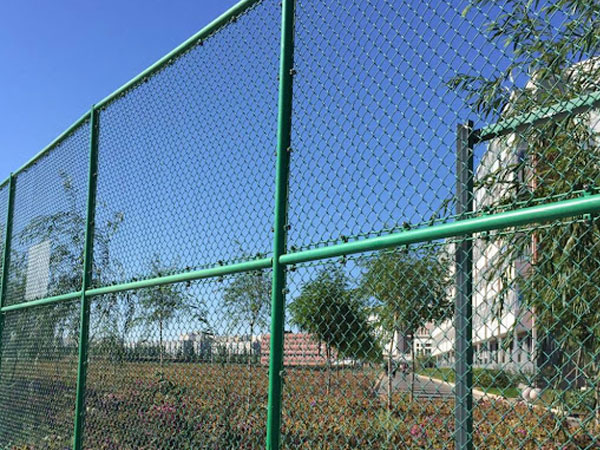
When it comes to fencing, landscaping, or site protection, chain-link mesh is often the first thing that comes to mind. However, the market offers a wide variety of options; some rust and break after just six months, while others remain intact for a decade. In reality, the main reason people make poor purchasing decisions is that they fail to distinguish between hot-dip galvanizing and cold galvanizing. Today, we will provide a comprehensive overview of why hot-dip galvanized chain-link mesh is the preferred choice for engineering projects, agriculture, and municipal landscaping—exploring exactly what makes it superior and where it is best applied.
First, let’s clarify the basic definitions. Hot-dip galvanized chain-link mesh—also known as diamond mesh or woven mesh—is made from high-quality low-carbon steel wire using an automated interlocking weaving process, resulting in a uniform diamond-shaped structure. After forming, the mesh undergoes a high-temperature hot-dip galvanizing process, which bonds a thick, even layer of pure zinc to the steel wire's surface; this is the key feature that sets it apart from standard wire mesh.
Many people confuse hot-dip galvanizing with cold galvanizing, yet there is a vast difference in performance between the two. Cold galvanizing is an electro-galvanizing process that produces a very thin zinc layer with poor adhesion, offering only short-term rust protection. When exposed to outdoor rain or humid air, it can rust, flake, and corrode within just a few months. In contrast, hot-dip galvanizing involves a high-temperature immersion process where the zinc penetrates the surface of the steel wire, creating a tight, durable bond that does not easily peel off. It provides comprehensive protection against air, moisture, and acid-alkali corrosion, making it ideal for harsh environments such as open outdoor areas, rainy or humid climates, coastal regions with high salinity, and muddy slopes.
Beyond its exceptional corrosion and rust resistance, hot-dip galvanized chain-link mesh offers significant structural advantages. Its flexible, interlocking design provides inherent elasticity and excellent impact and tensile strength; it resists snapping or deforming under stress, making it far more durable against knocks and pulling forces than rigid wire mesh. The mesh features uniform openings that allow for excellent airflow, light penetration, and drainage. This makes it highly practical: it does not hinder vegetation growth when used for slope greening, nor does it block the wind or trap rainwater when used for site protection. Moreover, it is lightweight and easy to cut, join, and install; it requires no complex equipment or specialized procedures, thereby significantly reducing construction time and labor costs.
Its exceptional cost-effectiveness and stable performance make it suitable for a wide range of applications across various industries. In agriculture and livestock farming, it is used for orchard enclosures, forest protection, and fencing for poultry and livestock pastures—effectively keeping wild animals out and livestock in—while remaining durable and maintenance-free. In municipal engineering, it is commonly employed for slope stabilization, riverbank reinforcement, and roadside greening protection to prevent soil erosion and landslides. Regarding site protection, it serves as specialized fencing for school sports courts, athletic fields, and factory training grounds; it also functions effectively as temporary construction site hoarding or factory perimeter fencing, balancing safety with aesthetic appeal.
Overall, the core advantages of hot-dip galvanized chain-link mesh are its durability, low-maintenance nature, and excellent value for money. While standard wire mesh tends to rust and require annual replacement—consuming time, effort, and money—high-quality hot-dip galvanized chain-link mesh offers superior weather resistance. It remains stable during years of outdoor use with virtually no maintenance required, offering a "one-time installation, long-term benefit" solution.
To summarize the key purchasing points: choose standard, simple wire mesh for temporary indoor use; however, for outdoor, long-term, or professional engineering applications, hot-dip galvanized chain-link mesh is the superior choice. By insisting on the hot-dip galvanizing process—and avoiding cold-galvanized or simple spray-painted mesh—you can fundamentally eliminate the hassles of rust, damage, and frequent replacements, ensuring you select a reliable, durable protective mesh.
First, let’s clarify the basic definitions. Hot-dip galvanized chain-link mesh—also known as diamond mesh or woven mesh—is made from high-quality low-carbon steel wire using an automated interlocking weaving process, resulting in a uniform diamond-shaped structure. After forming, the mesh undergoes a high-temperature hot-dip galvanizing process, which bonds a thick, even layer of pure zinc to the steel wire's surface; this is the key feature that sets it apart from standard wire mesh.
Many people confuse hot-dip galvanizing with cold galvanizing, yet there is a vast difference in performance between the two. Cold galvanizing is an electro-galvanizing process that produces a very thin zinc layer with poor adhesion, offering only short-term rust protection. When exposed to outdoor rain or humid air, it can rust, flake, and corrode within just a few months. In contrast, hot-dip galvanizing involves a high-temperature immersion process where the zinc penetrates the surface of the steel wire, creating a tight, durable bond that does not easily peel off. It provides comprehensive protection against air, moisture, and acid-alkali corrosion, making it ideal for harsh environments such as open outdoor areas, rainy or humid climates, coastal regions with high salinity, and muddy slopes.
Beyond its exceptional corrosion and rust resistance, hot-dip galvanized chain-link mesh offers significant structural advantages. Its flexible, interlocking design provides inherent elasticity and excellent impact and tensile strength; it resists snapping or deforming under stress, making it far more durable against knocks and pulling forces than rigid wire mesh. The mesh features uniform openings that allow for excellent airflow, light penetration, and drainage. This makes it highly practical: it does not hinder vegetation growth when used for slope greening, nor does it block the wind or trap rainwater when used for site protection. Moreover, it is lightweight and easy to cut, join, and install; it requires no complex equipment or specialized procedures, thereby significantly reducing construction time and labor costs.
Its exceptional cost-effectiveness and stable performance make it suitable for a wide range of applications across various industries. In agriculture and livestock farming, it is used for orchard enclosures, forest protection, and fencing for poultry and livestock pastures—effectively keeping wild animals out and livestock in—while remaining durable and maintenance-free. In municipal engineering, it is commonly employed for slope stabilization, riverbank reinforcement, and roadside greening protection to prevent soil erosion and landslides. Regarding site protection, it serves as specialized fencing for school sports courts, athletic fields, and factory training grounds; it also functions effectively as temporary construction site hoarding or factory perimeter fencing, balancing safety with aesthetic appeal.
Overall, the core advantages of hot-dip galvanized chain-link mesh are its durability, low-maintenance nature, and excellent value for money. While standard wire mesh tends to rust and require annual replacement—consuming time, effort, and money—high-quality hot-dip galvanized chain-link mesh offers superior weather resistance. It remains stable during years of outdoor use with virtually no maintenance required, offering a "one-time installation, long-term benefit" solution.
To summarize the key purchasing points: choose standard, simple wire mesh for temporary indoor use; however, for outdoor, long-term, or professional engineering applications, hot-dip galvanized chain-link mesh is the superior choice. By insisting on the hot-dip galvanizing process—and avoiding cold-galvanized or simple spray-painted mesh—you can fundamentally eliminate the hassles of rust, damage, and frequent replacements, ensuring you select a reliable, durable protective mesh.
 If the wire diameter of a stainless steel rope mesh is reduced, by how much will its impact resistance and load-bearing capacity decrease?
  Advantages and Application Scenarios of Expanded Metal Mesh
 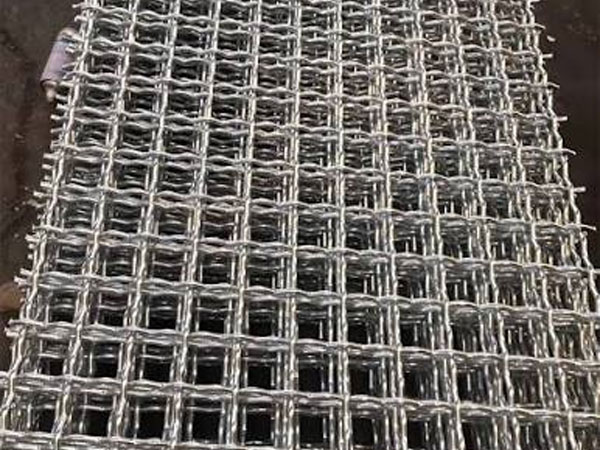 Why Stainless Steel Mining Screens Rust and How to Treat Them After Rusting
 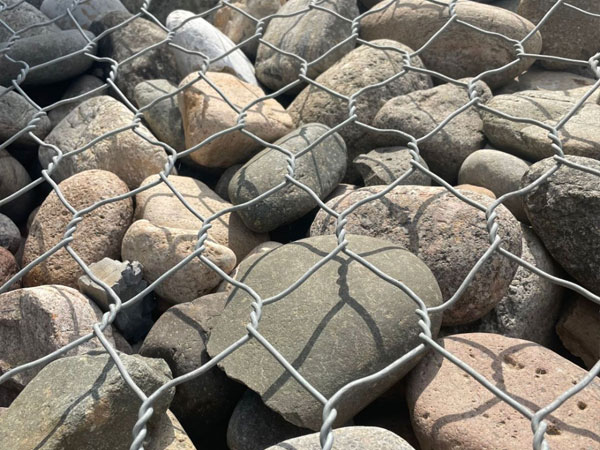 Gabion protection technology
 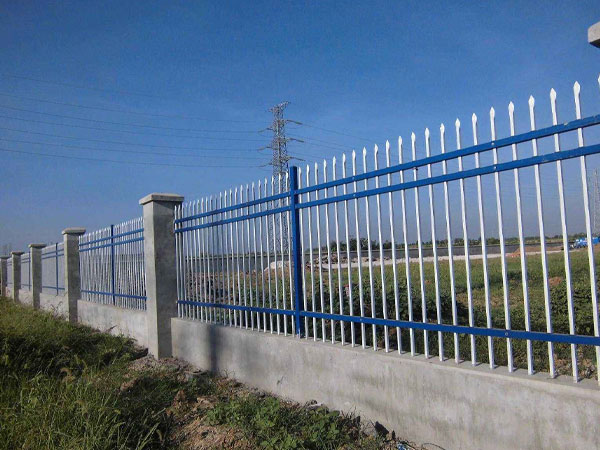 What factors should be considered when selecting zinc-steel fencing?
 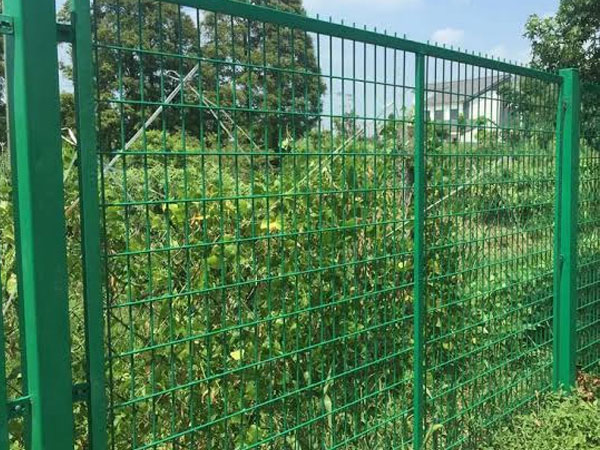 What are the anti-corrosion processes for framed wire mesh fencing?
 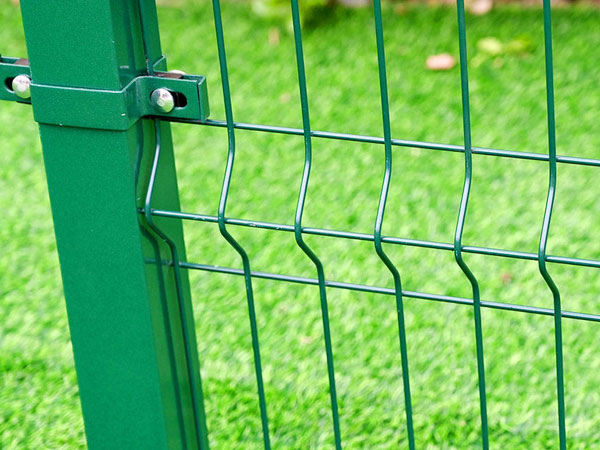 Why are bent-profile guardrails the preferred choice for municipal and industrial park perimeter protection?
 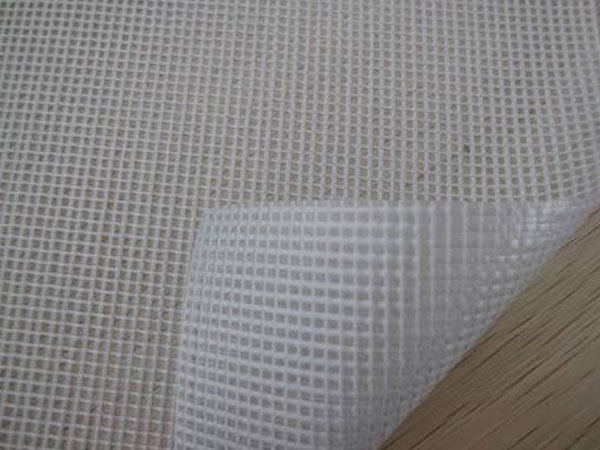 Detailed Procedure for Installing External Wall Insulation Mesh
 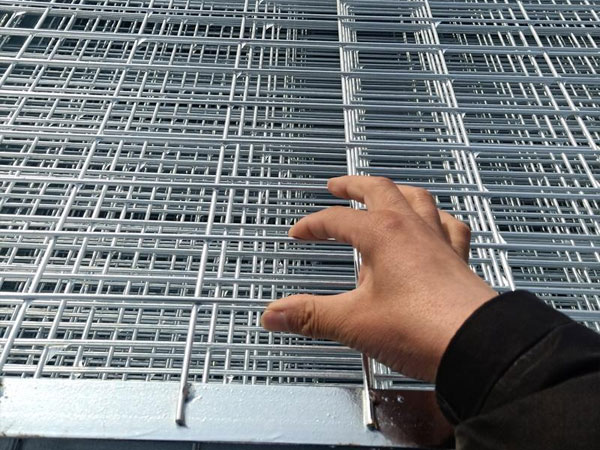 What role does hot-dip galvanizing technology play in guardrail products?
 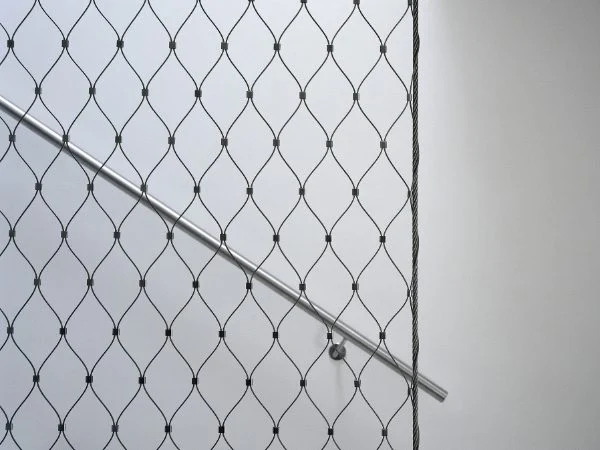 When it comes to balcony safety, it is worth learning more about stainless steel cable mesh fall-prevention netting.
 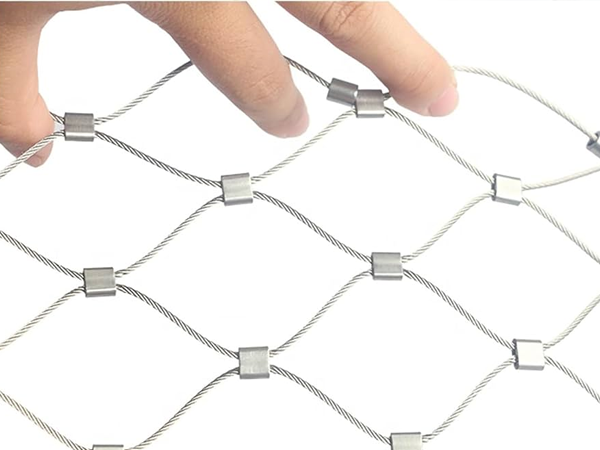 Understanding the Multifaceted Engineering Value of Stainless Steel Rope Mesh
  How to determine whether manufactured welded wire mesh meets quality standards
 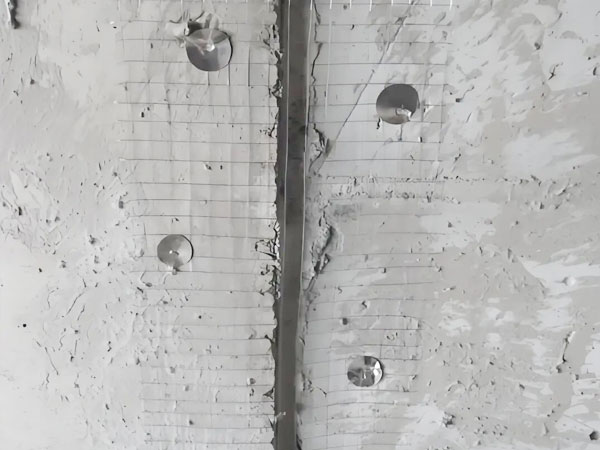 Why is mesh used for wall plastering?
 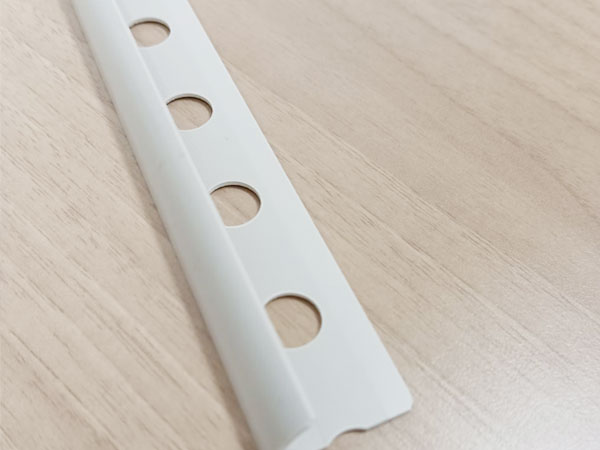 Four simple steps to teach you how to install wall corner protectors
 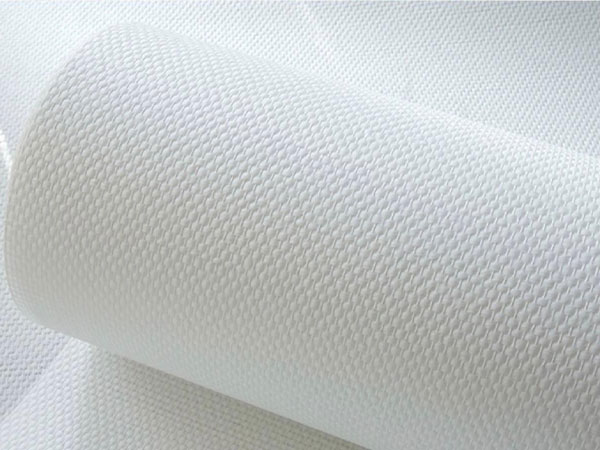 How to make the mesh fabric adhere more firmly during external wall insulation?
  4 Practical Tips for Buying Fiberglass Mesh
  Five Key Reasons to Choose Stainless Steel Rope Mesh: Reliability and Cost-Effectiveness
  How can gabion mesh be applied in complex terrain?
  How much do you know about the tensile strength and elongation of Gabion mesh?
  How to distinguish the quality of fiberglass mesh?