
How to make the mesh fabric adhere more firmly during external wall insulation?
2026-09-03
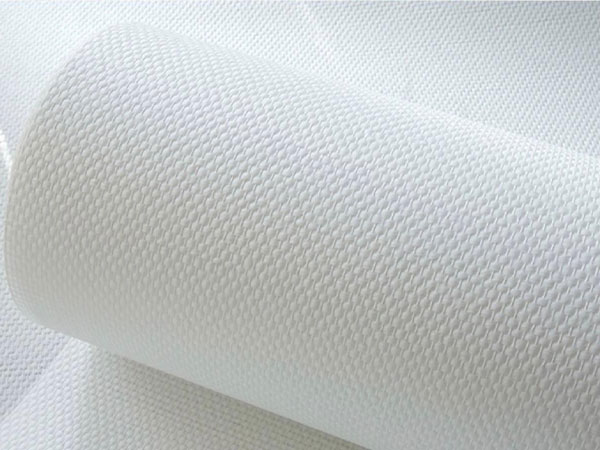
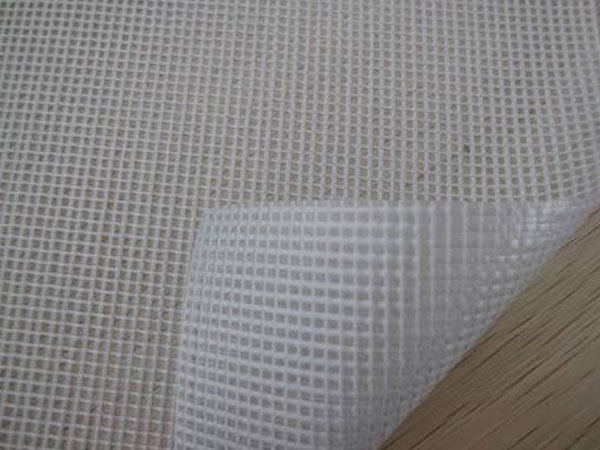
As a new generation of wall insulation material, mesh fabric has been widely used by builders, and many people are benefiting from its advantages. Therefore, mesh fabric has become a trend and an essential building material. We all know that houses have a long lifespan, so how can we apply mesh fabric to exterior walls to ensure it adheres better and protects the building's lifespan?
To ensure a stronger adhesion of the mesh fabric to the wall, pay attention to the following four points during construction:
1. The preparation of polymer mortar must be handled by a designated person to ensure mixing quality. Turn the bucket lid counterclockwise to open it, and use a mixer or other tools to re-stir the adhesive to prevent separation. Stir moderately to avoid quality problems.
2. Cut the mesh fabric in a clean, flat area. The cutting must be accurate. The cut mesh fabric must be rolled up; folding and stepping on it are not allowed. Apply a reinforcing layer at the building's external corners, with the reinforcing layer applied to the innermost side, 150mm on each side. When applying the first coat of polymer mortar, ensure the EPS board surface is dry and remove any harmful substances or impurities from the board.
3. At the four corners of doors and windows, after the standard mesh is applied, add a 200mm x 300mm standard mesh at each corner, placed at a 90-degree angle to the corner bisector, and attached to the outermost edge for reinforcement. At the inside corners, add a 200mm long mesh with a width appropriate to the window sill width, attached to the outermost edge. Below the first-floor windowsill, to prevent injury from impacts, reinforced mesh should be installed first, followed by standard mesh. Reinforced mesh should be spliced.
4. The protective layer must not be exposed to rain for 4 hours after construction. After the protective layer has fully set, it should be sprayed with water for curing. This curing time should not be less than 48 hours when the average daily temperature is above 15℃, and not less than 72 hours when the average daily temperature is below 15℃.
To ensure a stronger adhesion of the mesh fabric to the wall, pay attention to the following four points during construction:
1. The preparation of polymer mortar must be handled by a designated person to ensure mixing quality. Turn the bucket lid counterclockwise to open it, and use a mixer or other tools to re-stir the adhesive to prevent separation. Stir moderately to avoid quality problems.
2. Cut the mesh fabric in a clean, flat area. The cutting must be accurate. The cut mesh fabric must be rolled up; folding and stepping on it are not allowed. Apply a reinforcing layer at the building's external corners, with the reinforcing layer applied to the innermost side, 150mm on each side. When applying the first coat of polymer mortar, ensure the EPS board surface is dry and remove any harmful substances or impurities from the board.
3. At the four corners of doors and windows, after the standard mesh is applied, add a 200mm x 300mm standard mesh at each corner, placed at a 90-degree angle to the corner bisector, and attached to the outermost edge for reinforcement. At the inside corners, add a 200mm long mesh with a width appropriate to the window sill width, attached to the outermost edge. Below the first-floor windowsill, to prevent injury from impacts, reinforced mesh should be installed first, followed by standard mesh. Reinforced mesh should be spliced.
4. The protective layer must not be exposed to rain for 4 hours after construction. After the protective layer has fully set, it should be sprayed with water for curing. This curing time should not be less than 48 hours when the average daily temperature is above 15℃, and not less than 72 hours when the average daily temperature is below 15℃.
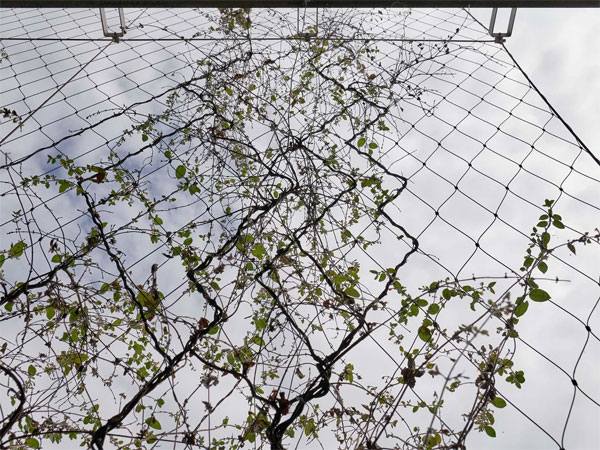 If the wire diameter of a stainless steel rope mesh is reduced, by how much will its impact resistance and load-bearing capacity decrease?
 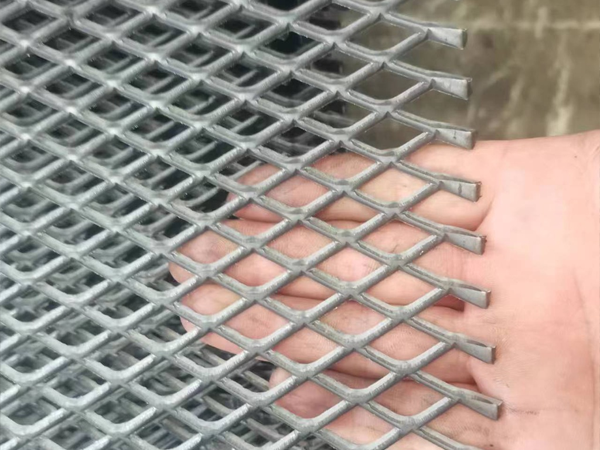 Advantages and Application Scenarios of Expanded Metal Mesh
 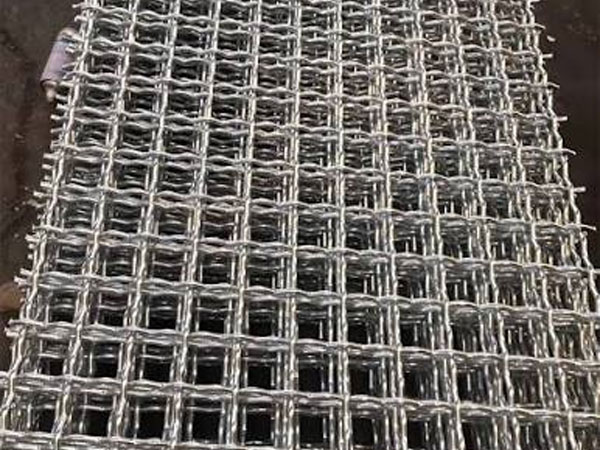 Why Stainless Steel Mining Screens Rust and How to Treat Them After Rusting
 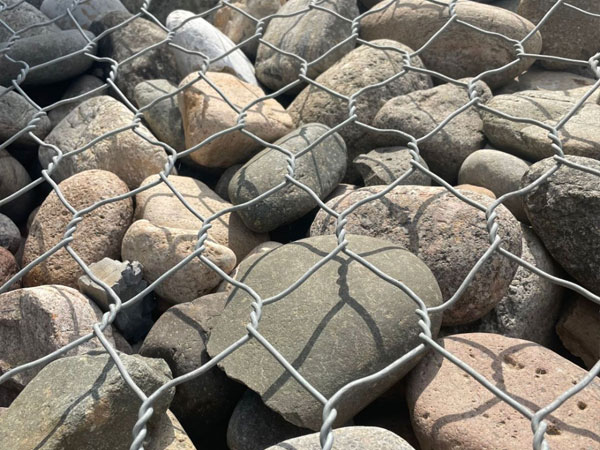 Gabion protection technology
 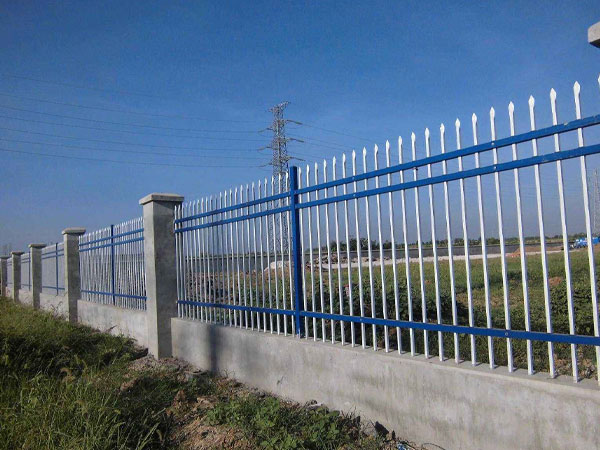 What factors should be considered when selecting zinc-steel fencing?
 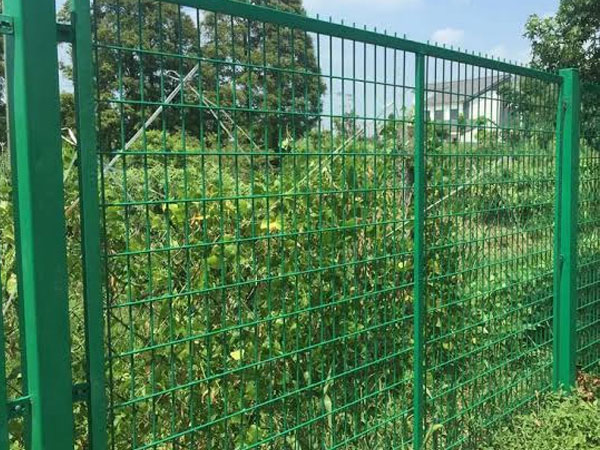 What are the anti-corrosion processes for framed wire mesh fencing?
 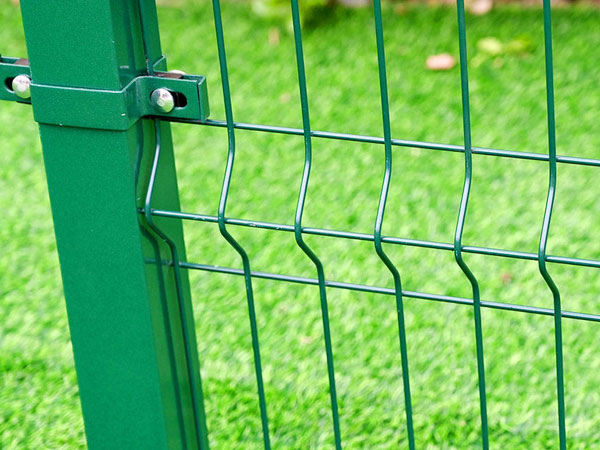 Why are bent-profile guardrails the preferred choice for municipal and industrial park perimeter protection?
  Detailed Procedure for Installing External Wall Insulation Mesh
  What role does hot-dip galvanizing technology play in guardrail products?
  When it comes to balcony safety, it is worth learning more about stainless steel cable mesh fall-prevention netting.
  Understanding the Multifaceted Engineering Value of Stainless Steel Rope Mesh
  How to determine whether manufactured welded wire mesh meets quality standards
 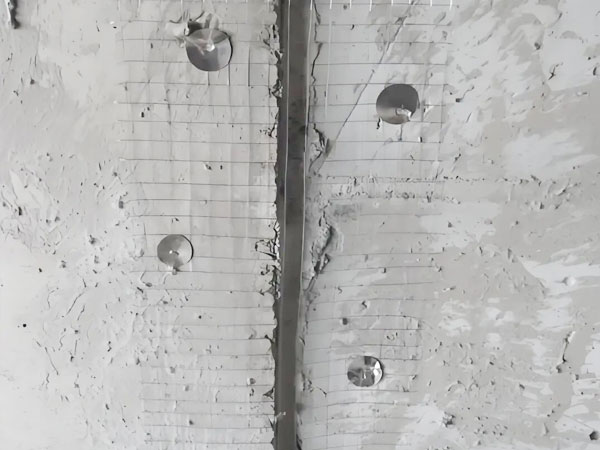 Why is mesh used for wall plastering?
 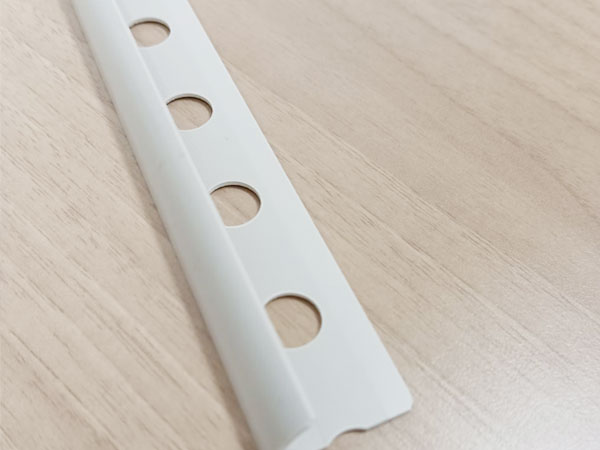 Four simple steps to teach you how to install wall corner protectors
 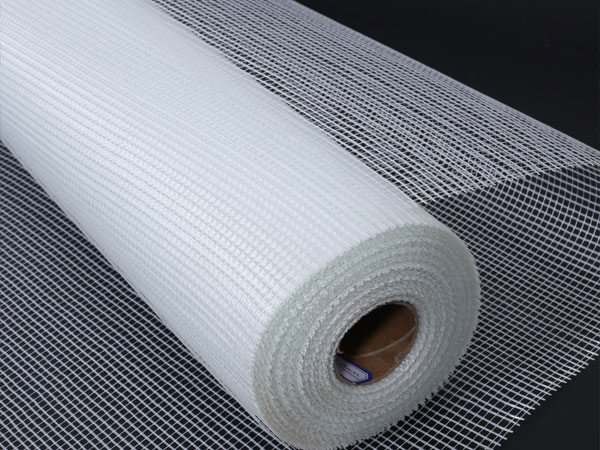 4 Practical Tips for Buying Fiberglass Mesh
 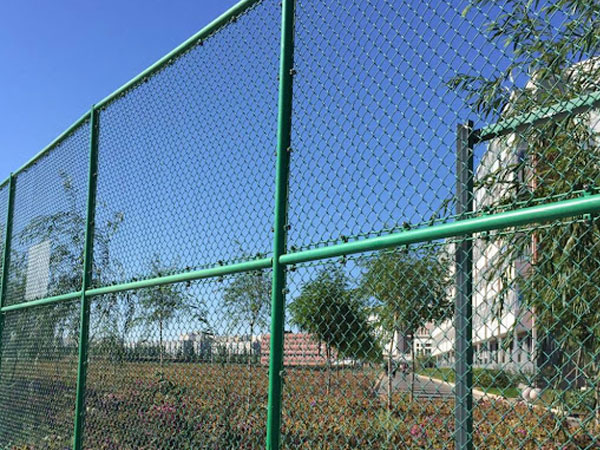 How to Choose Chain-Link Mesh
 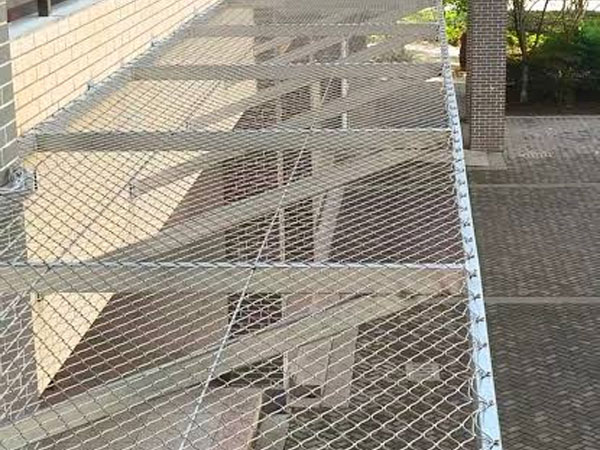 Five Key Reasons to Choose Stainless Steel Rope Mesh: Reliability and Cost-Effectiveness
 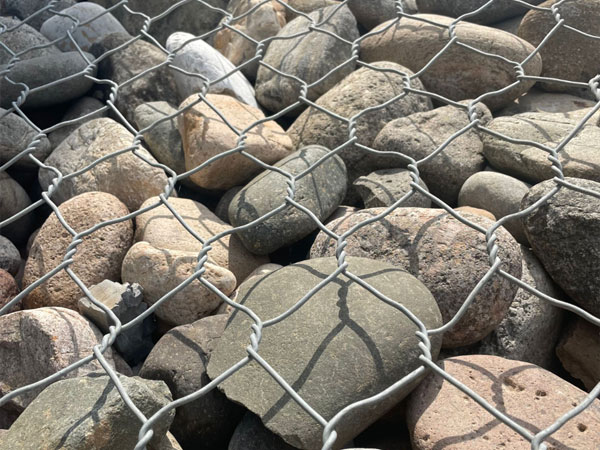 How can gabion mesh be applied in complex terrain?
 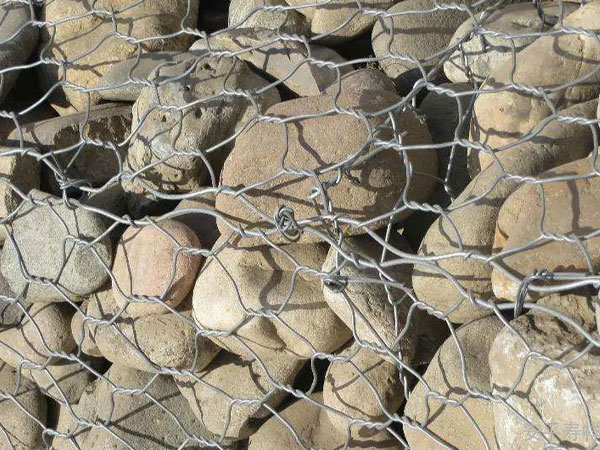 How much do you know about the tensile strength and elongation of Gabion mesh?
 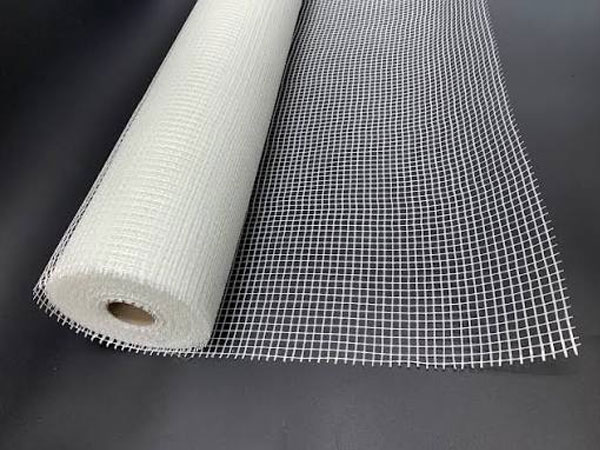 How to distinguish the quality of fiberglass mesh?