
4 Practical Tips for Buying Fiberglass Mesh
2026-09-01
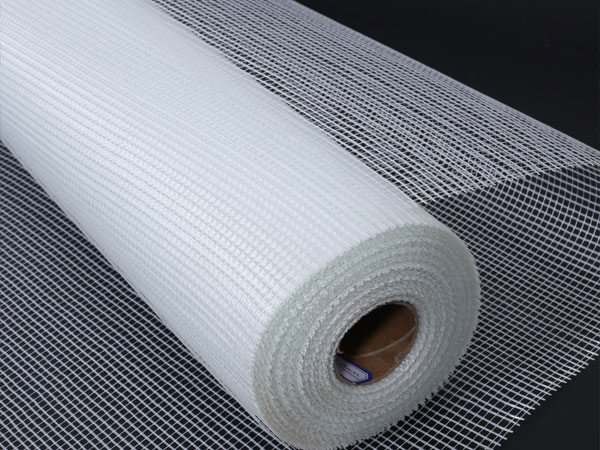
There are numerous manufacturers and sellers of fiberglass mesh on the market, with varying levels of quality. Faced with a market flooded with counterfeit and inferior products, how can you distinguish good fiberglass mesh from the bad? How can you ensure you are purchasing a genuine product? Here are four practical tips to help you evaluate the quality of fiberglass mesh.
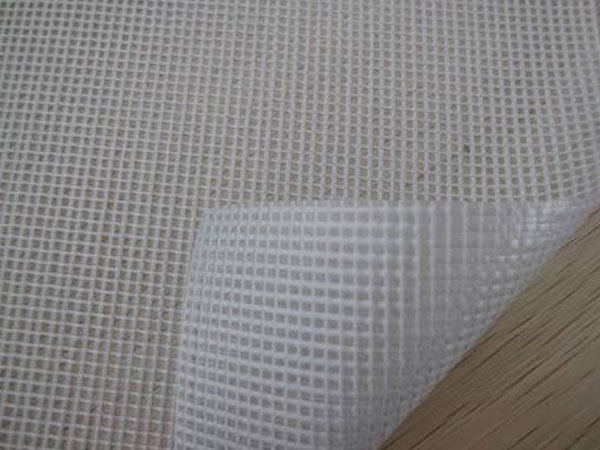
1. Observe the appearance: High-quality mesh features uniform apertures and a consistent grid pattern; the warp and weft threads are straight and evenly spaced, the surface is clean, the edges are neat and free of burrs, and the material is tough and resilient. In contrast, counterfeit or inferior mesh often has irregular apertures and uneven grids, with messy warp and weft alignments; the edges are rough and burred, and the material lacks toughness—making it easy to distinguish the genuine article from the fake based on appearance alone.
2. Smell the mesh: High-quality mesh is treated with a polymer coating that emits a faint, non-pungent latex odor. Inferior products, however, often utilize urea-formaldehyde resin, PVC emulsions, or vinyl acetate emulsions, which produce a sharp, overpowering, and unpleasant smell. High-quality fiberglass mesh is chemically stable—resistant to alkali, acid, water, and cement corrosion—ensuring greater safety during use.
3. Touch the mesh: High-quality mesh can be crumpled into a ball and will slowly return to its flat shape without the yarns breaking; it resists deformation when pulled in warp or weft directions, and the surface feels smooth to the touch without pricking or stinging the palm. Inferior mesh, conversely, fails to flatten out after being crumpled (or is too stiff to crumple at all), deforms significantly under slight tension without recovering, and feels prickly or painful against the skin.
4. Verify manufacturer information: Ask the supplier for details such as the mesh model, applicable product standards, performance specifications, and the manufacturer's full name and address. Additionally, request the inspection report and certificate of conformity corresponding to the specific sales batch.
1. Observe the appearance: High-quality mesh features uniform apertures and a consistent grid pattern; the warp and weft threads are straight and evenly spaced, the surface is clean, the edges are neat and free of burrs, and the material is tough and resilient. In contrast, counterfeit or inferior mesh often has irregular apertures and uneven grids, with messy warp and weft alignments; the edges are rough and burred, and the material lacks toughness—making it easy to distinguish the genuine article from the fake based on appearance alone.
2. Smell the mesh: High-quality mesh is treated with a polymer coating that emits a faint, non-pungent latex odor. Inferior products, however, often utilize urea-formaldehyde resin, PVC emulsions, or vinyl acetate emulsions, which produce a sharp, overpowering, and unpleasant smell. High-quality fiberglass mesh is chemically stable—resistant to alkali, acid, water, and cement corrosion—ensuring greater safety during use.
3. Touch the mesh: High-quality mesh can be crumpled into a ball and will slowly return to its flat shape without the yarns breaking; it resists deformation when pulled in warp or weft directions, and the surface feels smooth to the touch without pricking or stinging the palm. Inferior mesh, conversely, fails to flatten out after being crumpled (or is too stiff to crumple at all), deforms significantly under slight tension without recovering, and feels prickly or painful against the skin.
4. Verify manufacturer information: Ask the supplier for details such as the mesh model, applicable product standards, performance specifications, and the manufacturer's full name and address. Additionally, request the inspection report and certificate of conformity corresponding to the specific sales batch.
 If the wire diameter of a stainless steel rope mesh is reduced, by how much will its impact resistance and load-bearing capacity decrease?
  Advantages and Application Scenarios of Expanded Metal Mesh
  Why Stainless Steel Mining Screens Rust and How to Treat Them After Rusting
 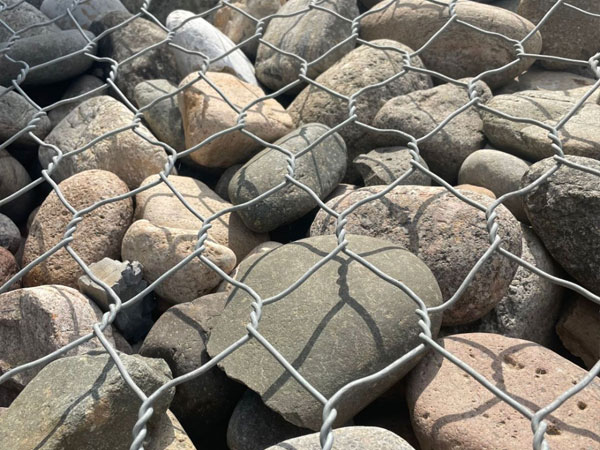 Gabion protection technology
 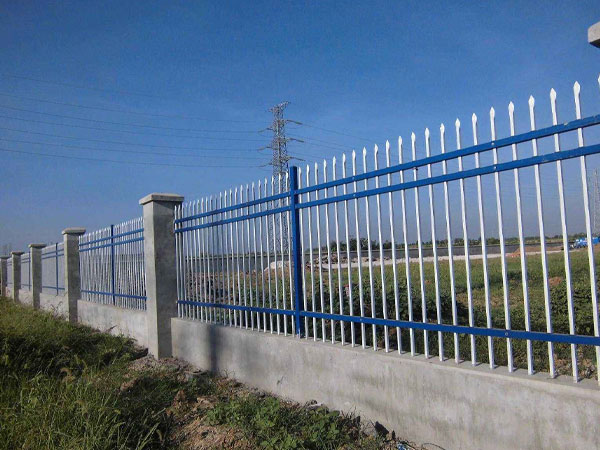 What factors should be considered when selecting zinc-steel fencing?
 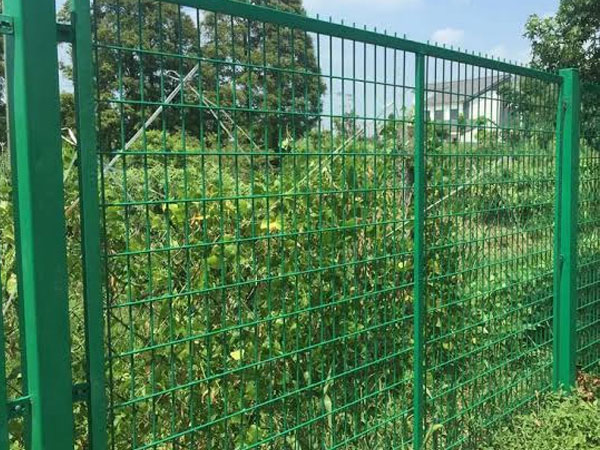 What are the anti-corrosion processes for framed wire mesh fencing?
 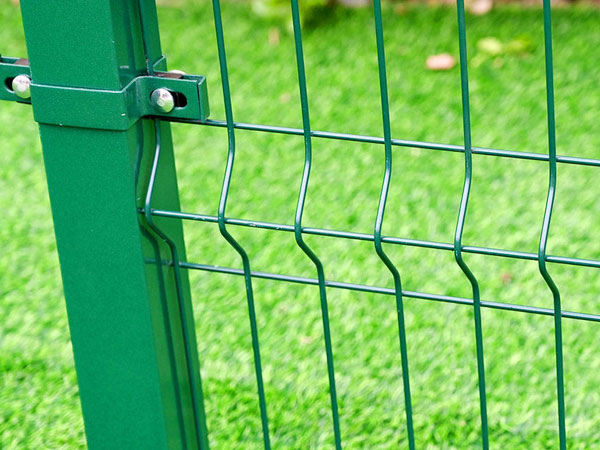 Why are bent-profile guardrails the preferred choice for municipal and industrial park perimeter protection?
  Detailed Procedure for Installing External Wall Insulation Mesh
  What role does hot-dip galvanizing technology play in guardrail products?
  When it comes to balcony safety, it is worth learning more about stainless steel cable mesh fall-prevention netting.
  Understanding the Multifaceted Engineering Value of Stainless Steel Rope Mesh
  How to determine whether manufactured welded wire mesh meets quality standards
 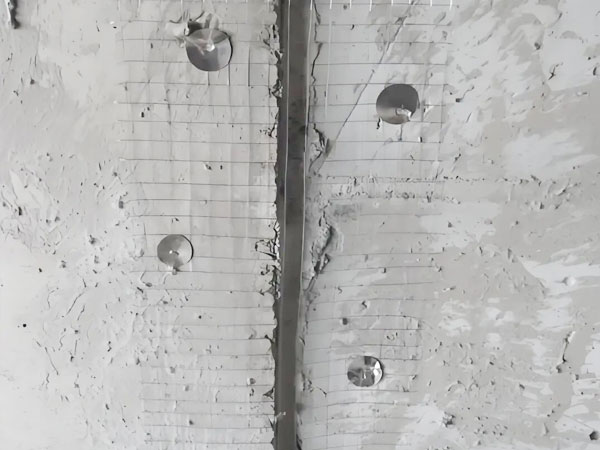 Why is mesh used for wall plastering?
 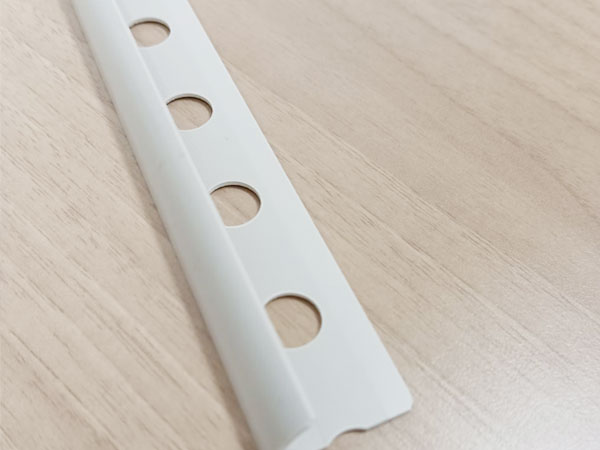 Four simple steps to teach you how to install wall corner protectors
 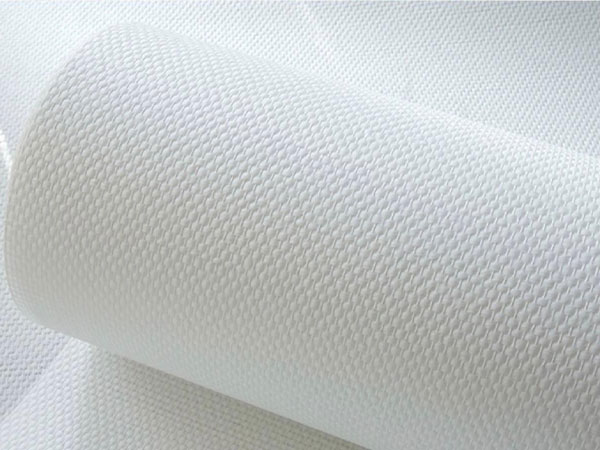 How to make the mesh fabric adhere more firmly during external wall insulation?
 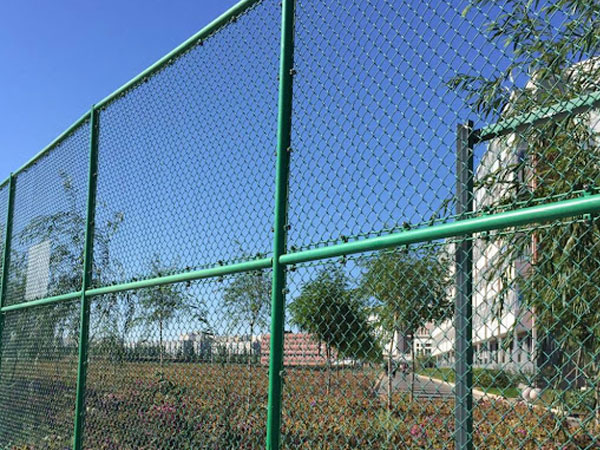 How to Choose Chain-Link Mesh
  Five Key Reasons to Choose Stainless Steel Rope Mesh: Reliability and Cost-Effectiveness
  How can gabion mesh be applied in complex terrain?
  How much do you know about the tensile strength and elongation of Gabion mesh?
 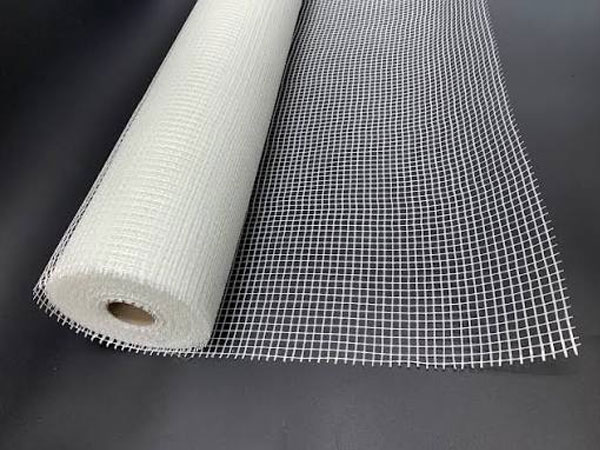 How to distinguish the quality of fiberglass mesh?