
Understanding the Multifaceted Engineering Value of Stainless Steel Rope Mesh
2026-09-14
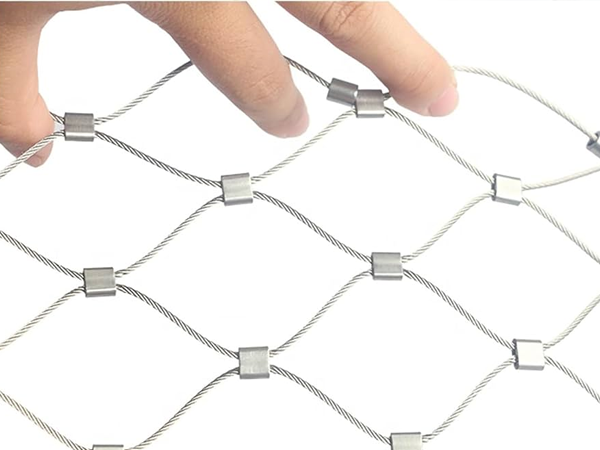
In sectors such as architecture, cultural tourism, and ecological infrastructure, many functional materials often remain inconspicuous within their settings, quietly serving roles in protection, isolation, and enclosure. Unlike bulky, rigid barriers or synthetic fiber meshes prone to degradation, a flexible metal material—stainless steel cable mesh—is increasingly being adopted in public projects for its unique combination of strength, flexibility, and aesthetic appeal.
When people think of metal safety netting, they often picture something rigid, heavy, and visually obstructive. Stainless steel cable mesh, however, defies this stereotype. Constructed from multi-strand stainless steel wire ropes interwoven and secured with metal ferrules—without any welded joints—it forms a continuous, cohesive surface. This design retains the structural integrity of metal while offering excellent flexibility, allowing it to conform to flat, curved, and irregular surfaces alike.
**Material Differences Determine Long-Term Performance**
In engineering applications, stainless steel cable mesh typically comes in two main grades—304 and 316—each suited to distinct environments.
In engineering applications, stainless steel cable mesh typically comes in two main grades—304 and 316—each suited to distinct environments.
Grade 304 stainless steel offers balanced overall performance and excellent resistance to corrosion from standard rainfall and sunlight; it is commonly used for architectural safety, landscape decoration, and general outdoor enclosures in inland areas. Grade 316 stainless steel, enriched with molybdenum, offers superior resistance to salt spray, acids, and alkalis. It is ideal for high-salinity coastal environments, humid zoo enclosures, and projects near chemical facilities, providing exceptional protection against marine moisture and corrosive agents.
The material's inherent corrosion resistance eliminates the need for painting or coating. It maintains structural stability over the long term in outdoor settings, reducing the need for maintenance and refurbishment—aligning perfectly with the "green engineering" trend toward low-maintenance solutions.
**A Blend of Rigidity and Flexibility: Multiple Performance Advantages**
One might wonder why a metal mesh emphasizes "flexibility." Here, flexibility does not imply fragility; rather, it refers to a capacity for controlled deformation and shock absorption. When subjected to external impact, the mesh disperses the force through slight stretching, distributing the load across the entire surface. This prevents the kind of sudden fracturing or shattering seen in rigid panels, embodying a protective strategy that uses flexibility to withstand impact. Another key feature is the mesh's open, airy structure. The apertures do not completely block light or sightlines, avoiding the creation of a claustrophobic or oppressive barrier—a quality particularly important in settings where both safety and unobstructed views are required. Additionally, the mesh is lightweight, placing minimal load on the supporting framework; its flexible layout allows for adjustments in curvature and orientation to suit specific site conditions.
One might wonder why a metal mesh emphasizes "flexibility." Here, flexibility does not imply fragility; rather, it refers to a capacity for controlled deformation and shock absorption. When subjected to external impact, the mesh disperses the force through slight stretching, distributing the load across the entire surface. This prevents the kind of sudden fracturing or shattering seen in rigid panels, embodying a protective strategy that uses flexibility to withstand impact. Another key feature is the mesh's open, airy structure. The apertures do not completely block light or sightlines, avoiding the creation of a claustrophobic or oppressive barrier—a quality particularly important in settings where both safety and unobstructed views are required. Additionally, the mesh is lightweight, placing minimal load on the supporting framework; its flexible layout allows for adjustments in curvature and orientation to suit specific site conditions.
**Versatile Applications Across Diverse Sectors**
As practical experience grows, the scope of stainless steel cable mesh applications has expanded far beyond simple protective functions.
As practical experience grows, the scope of stainless steel cable mesh applications has expanded far beyond simple protective functions.
In zoos and aviaries, it serves as an enclosure for animal habitats. The flexible mesh cushions impacts from animals, reducing the risk of injury, while the open grid ensures clear sightlines for visitors, creating an immersive viewing experience that replaces traditional, enclosed iron cages.
In architecture, it is employed in high-altitude atriums, walkways, observation decks, and pedestrian bridges as a fall-protection system. In commercial venues, it functions as a spatial partition or curtain wall decoration; its woven texture creates unique light-and-shadow effects, harmonizing functionality with aesthetics.
For ecological landscaping, the mesh acts as a trellis for climbing plants in vertical greening and slope restoration projects. The open mesh facilitates the spread of foliage, while the durable metal material—unlike plastic netting—resists rapid degradation, supporting vegetation throughout its long-term growth cycle.
It is also frequently used in coastal and humid outdoor environments. Its excellent corrosion resistance allows it to withstand repeated exposure to sea air and rain, thereby reducing the overall costs associated with frequent material replacement.
Modern engineering increasingly seeks a balance between safety, ecological friendliness, and visual appeal. Often, superior materials do not aim for visual bulk or ostentation but instead deliver lasting value in less conspicuous ways. Combining metallic strength with a flexible structure, stainless steel cable mesh serves diverse roles—from safety and containment to landscaping—offering designers and engineers a wider range of problem-solving approaches and options.
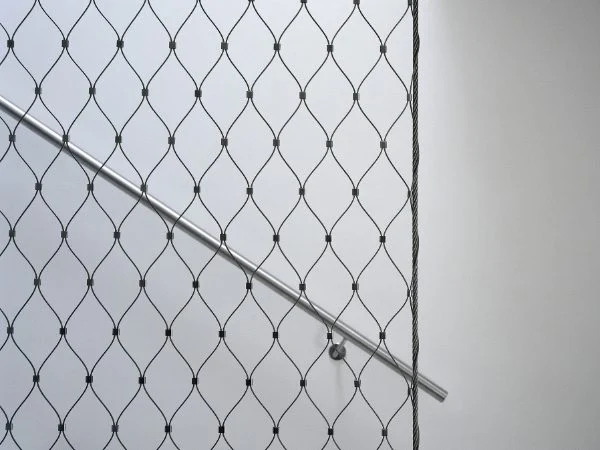 When it comes to balcony safety, it is worth learning more about stainless steel cable mesh fall-prevention netting.
  How to determine whether manufactured welded wire mesh meets quality standards
 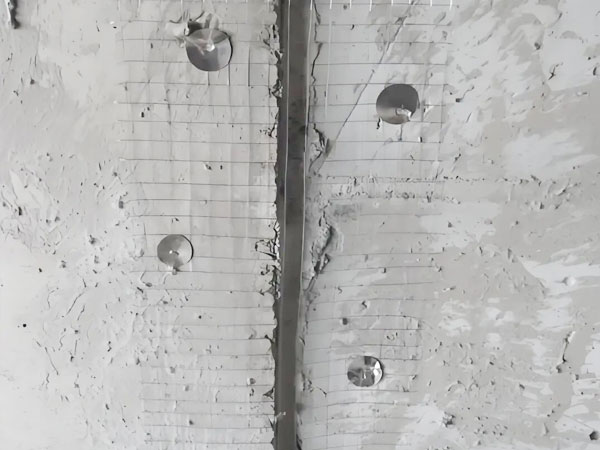 Why is mesh used for wall plastering?
 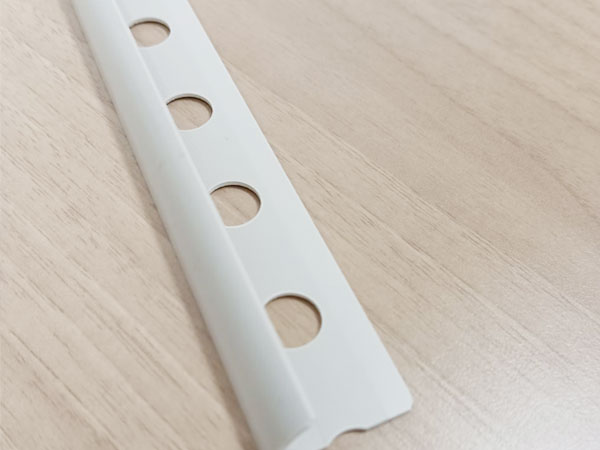 Four simple steps to teach you how to install wall corner protectors
  How to make the mesh fabric adhere more firmly during external wall insulation?
  4 Practical Tips for Buying Fiberglass Mesh
  How to Choose Chain-Link Mesh
  Five Key Reasons to Choose Stainless Steel Rope Mesh: Reliability and Cost-Effectiveness
  How can gabion mesh be applied in complex terrain?
  How much do you know about the tensile strength and elongation of Gabion mesh?
  How to distinguish the quality of fiberglass mesh?
 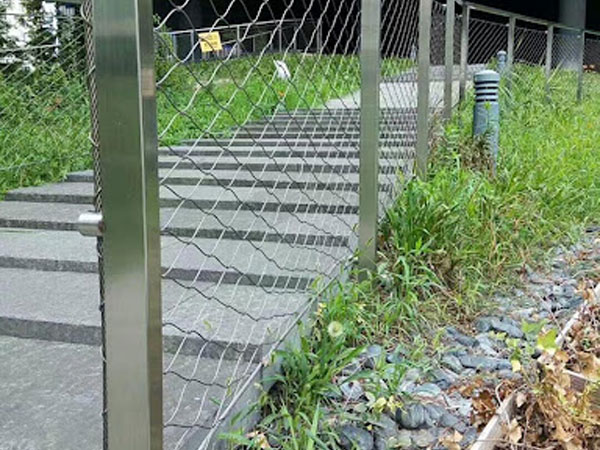 Can magnets attract stainless steel wire mesh?
 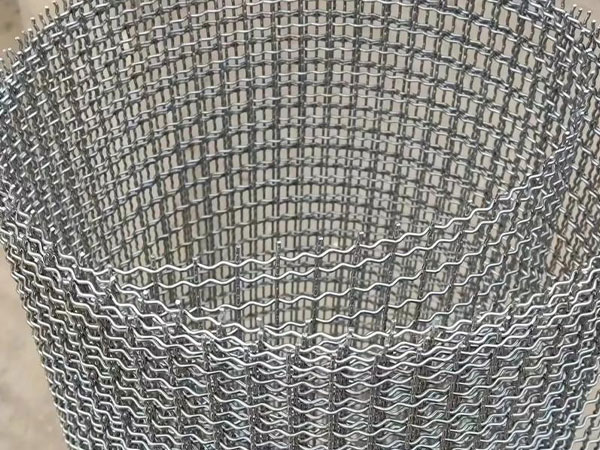 Introduction to two methods of weaving netting
 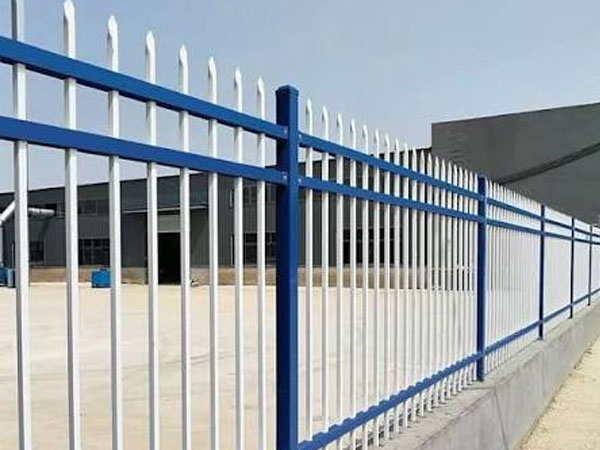 Features and uses of zinc-coated steel guardrails
 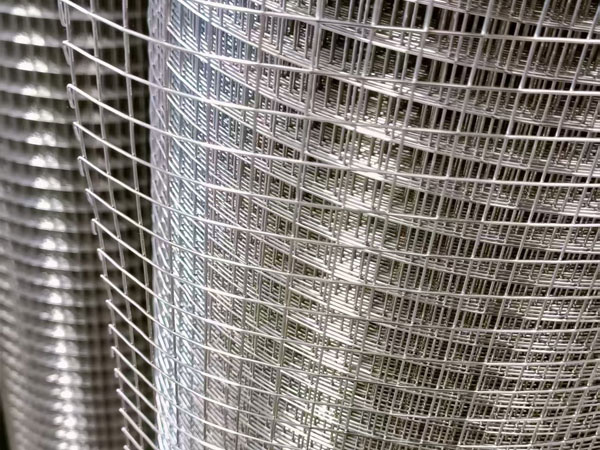 What material is best for welded wire mesh?
 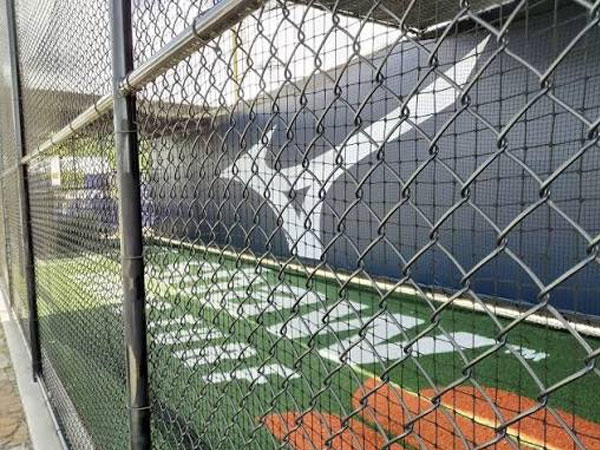 Stadium fencing also has these features
  What is the difference between alkali-resistant fiberglass mesh and standard fiberglass mesh?
  What are the quality assurance testing standards for GB 304 stainless steel mesh?
  How do you determine whether the quality of stainless steel welded wire mesh meets the standards?
  How to Maintain Stainless Steel Mesh