
Why is mesh used for wall plastering?
2026-09-07
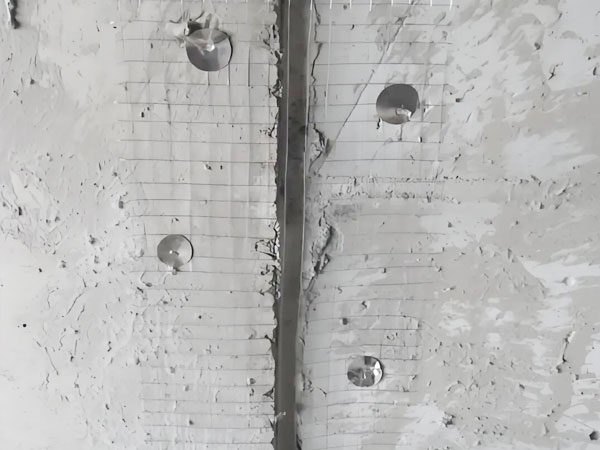
Wall plastering is a process in construction/decoration where plastering mortar is applied to concrete or brick walls. Besides providing windproofing, moisture protection, and heat insulation, it also lays a good foundation for puttying, painting, and tiling.
1. The relationship between wall plastering and wire mesh, and why wire mesh is used in plastering projects:
1) Building walls are mainly composed of different materials such as concrete and brick. Wire mesh is used in plastering projects primarily at the joints between concrete structures, aerated concrete block walls, and red brick walls. It binds the two materials together to form a unified whole, preventing cracking, hollowing, and peeling.
2) Wire mesh enhances the adhesion between the plaster layer and the wall, preventing the plaster layer from hollowing and peeling due to its own weight and shrinkage.
3) For walls of the same material, when the plaster layer thickness is ≥35mm, wire mesh should also be used, mainly to prevent cracking. Or, in areas of the wall where significant pressure needs to be applied, wire mesh should also be used. Wire mesh provides substantial support, preventing hollow areas and detachment.
4) Wire mesh is required at wall trenches for pipes, door and window openings, and other stress-concentrated areas.
5) For building exterior walls that need to withstand complex environments such as wind pressure, vibration, and temperature differences, if the insulation layer is covered with facing bricks or stone, wire mesh is usually required; if the exterior wall is painted with latex paint, alkali-resistant mesh is used.
5) For building exterior walls that need to withstand complex environments such as wind pressure, vibration, and temperature differences, if the insulation layer is covered with facing bricks or stone, wire mesh is usually required; if the exterior wall is painted with latex paint, alkali-resistant mesh is used.
2. Specific Application and Precautions for Wire Mesh
1) When plastering interior and exterior walls, crack-resistant reinforcing material, such as hot-dip galvanized wire mesh, should be installed at the junctions of different materials. This material has good toughness, a thick coating, and strong corrosion and rust resistance.
2) The overlap width between the wire mesh and the walls on both sides should not be less than 100mm (100mm on each side), and the spacing between fixing points should not exceed 300mm. The wire mesh must be embedded in the mortar and not exposed.
3) Wire mesh is highly elastic and does not easily adhere to the wall surface. During construction, pay attention to the flatness of the wire mesh and firmly fix the insulation nails.
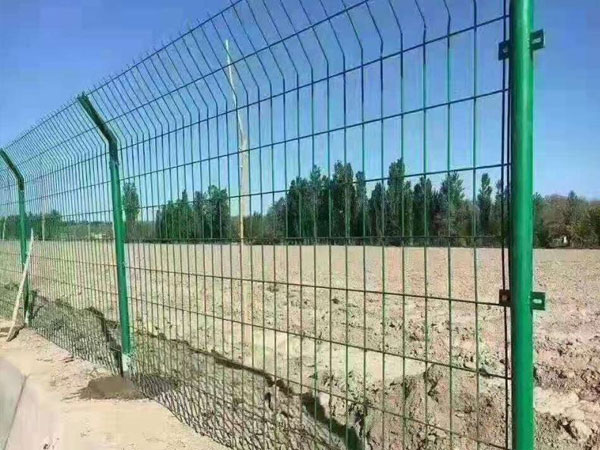 How to Select High-Quality Fencing?
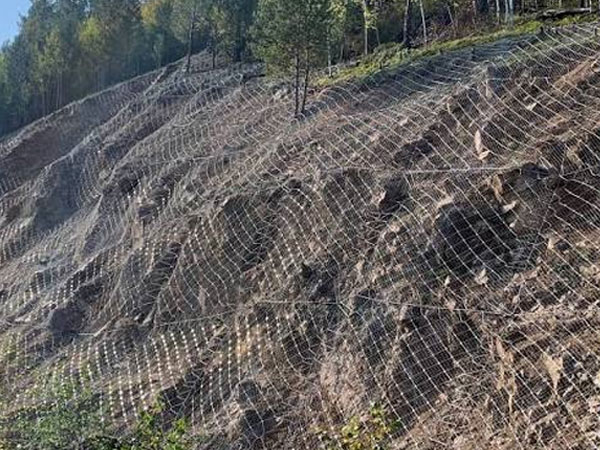 Why are steel wire rope protective nets increasingly being chosen for slope stabilization projects?
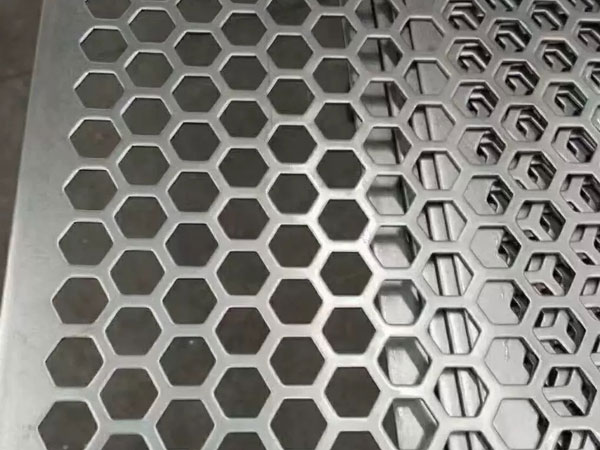 Structural Design Features of Perforated Stainless Steel Mesh
 Comprehensive Guide to the Uses of Fiberglass Mesh
 What is the difference between seamless steel pipes and welded steel pipes?
 If the wire diameter of a stainless steel rope mesh is reduced, by how much will its impact resistance and load-bearing capacity decrease?
 Advantages and Application Scenarios of Expanded Metal Mesh
 Why Stainless Steel Mining Screens Rust and How to Treat Them After Rusting
 Gabion protection technology
 What factors should be considered when selecting zinc-steel fencing?
 What are the anti-corrosion processes for framed wire mesh fencing?
 Why are bent-profile guardrails the preferred choice for municipal and industrial park perimeter protection?
 Detailed Procedure for Installing External Wall Insulation Mesh
 What role does hot-dip galvanizing technology play in guardrail products?
 When it comes to balcony safety, it is worth learning more about stainless steel cable mesh fall-prevention netting.
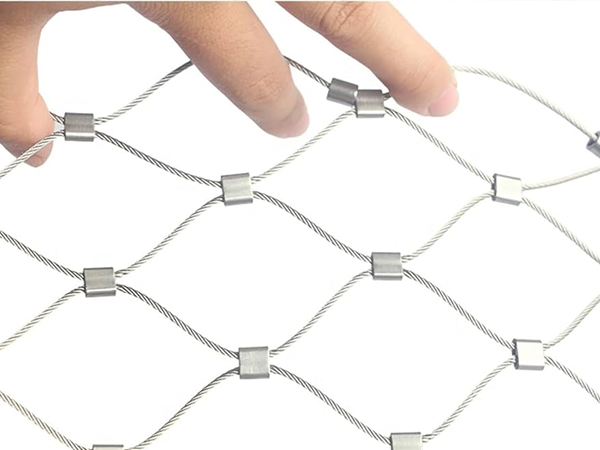 Understanding the Multifaceted Engineering Value of Stainless Steel Rope Mesh
 How to determine whether manufactured welded wire mesh meets quality standards
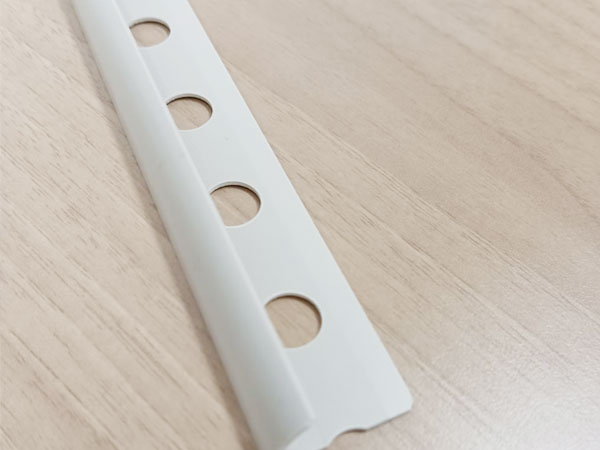 Four simple steps to teach you how to install wall corner protectors
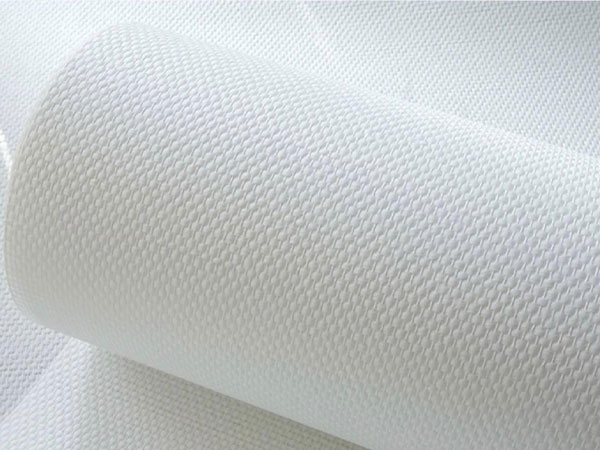 How to make the mesh fabric adhere more firmly during external wall insulation?
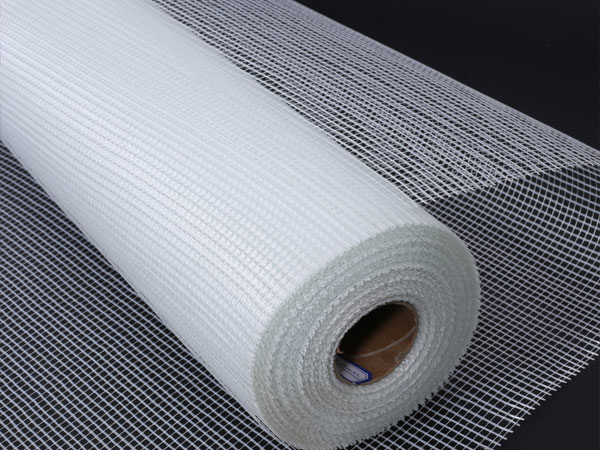 4 Practical Tips for Buying Fiberglass Mesh