
What material is best for welded wire mesh?
2026-08-12
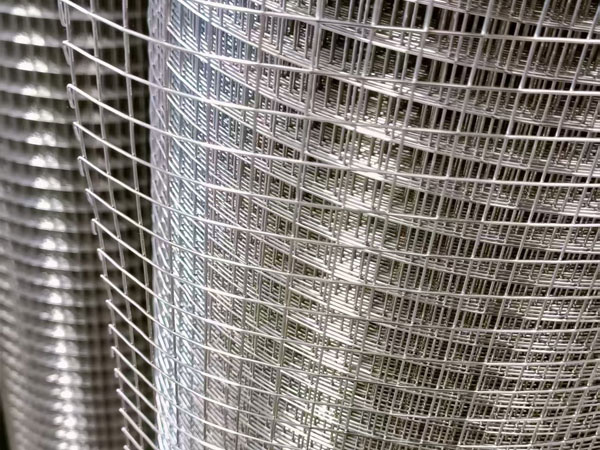
There are many materials used in welded wire mesh, and the choice of material has a significant impact on its performance. Here are some key factors:
1. Corrosion Resistance: Stainless steel: Excellent corrosion resistance, suitable for outdoor or humid environments. Low-carbon steel: Poor corrosion resistance, but its resistance can be improved by applying anti-rust paint or other protective coatings.
2. Strength and Toughness: High-carbon steel: High strength and hardness, but poor toughness and prone to breakage. Low-carbon steel: Moderate strength, but good toughness and ductility, suitable for applications subject to certain impact loads.
3. Welding Performance: Different materials have different welding performance. For example, stainless steel and galvanized steel have good weldability, while some alloy steels may require special welding processes.
4. Temperature Adaptability: Special alloy materials: Maintain performance at extreme temperatures, suitable for high or low temperature environments. Ordinary carbon steel: Suitable for room temperature environments; excessively high or low temperatures may affect its performance.
5. Cost: Different materials will result in different costs. Stainless steel and special alloy welded wire mesh are generally more expensive, while low-carbon steel is relatively cheaper.
6. Aesthetics: Stainless steel welded wire mesh has a modern look and shine, and is often used in architectural decoration. Galvanized steel welded wire mesh, due to its rust resistance and cost-effectiveness, is widely used in fencing and protective netting.
7. Application Areas: Construction Industry: Low-carbon steel or galvanized steel welded wire mesh is typically used due to its lower cost and ease of installation. Chemical and Marine Engineering: Stainless steel or other corrosion-resistant alloy welded wire mesh is required. Different industries and characteristics necessitate the use of different materials for welded wire mesh; proper selection ensures safety and durability during use.
1. Corrosion Resistance: Stainless steel: Excellent corrosion resistance, suitable for outdoor or humid environments. Low-carbon steel: Poor corrosion resistance, but its resistance can be improved by applying anti-rust paint or other protective coatings.
2. Strength and Toughness: High-carbon steel: High strength and hardness, but poor toughness and prone to breakage. Low-carbon steel: Moderate strength, but good toughness and ductility, suitable for applications subject to certain impact loads.
3. Welding Performance: Different materials have different welding performance. For example, stainless steel and galvanized steel have good weldability, while some alloy steels may require special welding processes.
4. Temperature Adaptability: Special alloy materials: Maintain performance at extreme temperatures, suitable for high or low temperature environments. Ordinary carbon steel: Suitable for room temperature environments; excessively high or low temperatures may affect its performance.
5. Cost: Different materials will result in different costs. Stainless steel and special alloy welded wire mesh are generally more expensive, while low-carbon steel is relatively cheaper.
6. Aesthetics: Stainless steel welded wire mesh has a modern look and shine, and is often used in architectural decoration. Galvanized steel welded wire mesh, due to its rust resistance and cost-effectiveness, is widely used in fencing and protective netting.
7. Application Areas: Construction Industry: Low-carbon steel or galvanized steel welded wire mesh is typically used due to its lower cost and ease of installation. Chemical and Marine Engineering: Stainless steel or other corrosion-resistant alloy welded wire mesh is required. Different industries and characteristics necessitate the use of different materials for welded wire mesh; proper selection ensures safety and durability during use.
 If the wire diameter of a stainless steel rope mesh is reduced, by how much will its impact resistance and load-bearing capacity decrease?
  Advantages and Application Scenarios of Expanded Metal Mesh
  Why Stainless Steel Mining Screens Rust and How to Treat Them After Rusting
  Gabion protection technology
  What factors should be considered when selecting zinc-steel fencing?
  What are the anti-corrosion processes for framed wire mesh fencing?
  Why are bent-profile guardrails the preferred choice for municipal and industrial park perimeter protection?
  Detailed Procedure for Installing External Wall Insulation Mesh
  What role does hot-dip galvanizing technology play in guardrail products?
  When it comes to balcony safety, it is worth learning more about stainless steel cable mesh fall-prevention netting.
  Understanding the Multifaceted Engineering Value of Stainless Steel Rope Mesh
  How to determine whether manufactured welded wire mesh meets quality standards
  Why is mesh used for wall plastering?
  Four simple steps to teach you how to install wall corner protectors
  How to make the mesh fabric adhere more firmly during external wall insulation?
  4 Practical Tips for Buying Fiberglass Mesh
  How to Choose Chain-Link Mesh
  Five Key Reasons to Choose Stainless Steel Rope Mesh: Reliability and Cost-Effectiveness
  How can gabion mesh be applied in complex terrain?
  How much do you know about the tensile strength and elongation of Gabion mesh?