What are the anti-corrosion processes for framed wire mesh fencing?
2026-09-23
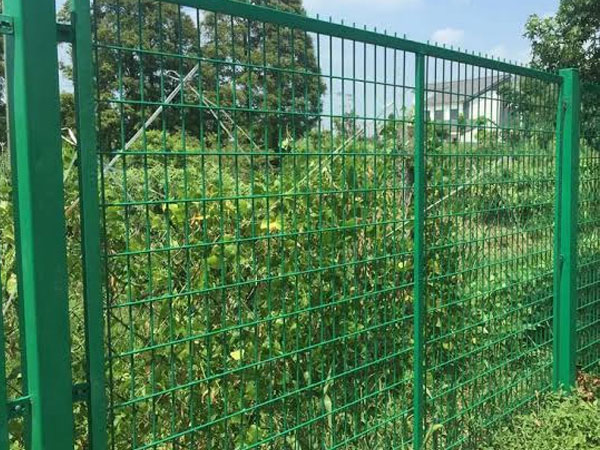
Anti-corrosion measures for framed mesh fencing primarily involve a combination of rust-proofing for the metal substrate and protective surface coatings. Different processes yield varying service lives, making them suitable for diverse environments such as inland areas, industrial sites, and coastal regions.
1. Hot-dip Galvanizing + Plastic Dip Coating (Industry standard; dual-layer protection)
The mesh panels, frames, and posts undergo hot-dip galvanizing as a complete unit; the steel is immersed in molten zinc to form a zinc-iron alloy protective layer. Subsequently, a fluidized bed process is used to apply a PE (polyethylene) powder dip coating, creating a thick plastic protective layer.
Advantages: The zinc layer provides a base level of protection; even if the plastic coating is chipped or damaged, the zinc layer continues to provide sacrificial rust protection. The plastic coating is UV-resistant and withstands rain erosion.
Applications: Long-term outdoor projects such as industrial sites, highways, business parks, and perimeter fencing. Service life is 8–15 years in inland environments, extending to 12–20 years for thickened versions.
Note: The process sequence is critical—hot-dip galvanizing must precede plastic dip coating; reversing the order renders the anti-corrosion system ineffective.
1. Hot-dip Galvanizing + Plastic Dip Coating (Industry standard; dual-layer protection)
The mesh panels, frames, and posts undergo hot-dip galvanizing as a complete unit; the steel is immersed in molten zinc to form a zinc-iron alloy protective layer. Subsequently, a fluidized bed process is used to apply a PE (polyethylene) powder dip coating, creating a thick plastic protective layer.
Advantages: The zinc layer provides a base level of protection; even if the plastic coating is chipped or damaged, the zinc layer continues to provide sacrificial rust protection. The plastic coating is UV-resistant and withstands rain erosion.
Applications: Long-term outdoor projects such as industrial sites, highways, business parks, and perimeter fencing. Service life is 8–15 years in inland environments, extending to 12–20 years for thickened versions.
Note: The process sequence is critical—hot-dip galvanizing must precede plastic dip coating; reversing the order renders the anti-corrosion system ineffective.
2. Hot-dip Galvanizing + Electrostatic Powder Coating
After the substrate undergoes hot-dip galvanizing, polyester powder is applied via electrostatic spraying and cured at high temperatures.
Advantages: Refined and attractive surface color; thin coating with a high-quality visual texture.
Disadvantages: Thin coating thickness results in poor impact resistance; prolonged exposure to outdoor sunlight can cause peeling or powdering.
Applications: Indoor fencing and courtyard partitioning in mild environments; not recommended for long-term use in coastal areas or projects exposed to direct, harsh sunlight.
After the substrate undergoes hot-dip galvanizing, polyester powder is applied via electrostatic spraying and cured at high temperatures.
Advantages: Refined and attractive surface color; thin coating with a high-quality visual texture.
Disadvantages: Thin coating thickness results in poor impact resistance; prolonged exposure to outdoor sunlight can cause peeling or powdering.
Applications: Indoor fencing and courtyard partitioning in mild environments; not recommended for long-term use in coastal areas or projects exposed to direct, harsh sunlight.
3. Cold Galvanizing (Electro-galvanizing) + Powder Coating
Cold galvanizing involves electrolytic zinc application resulting in a very thin zinc layer, followed by surface powder coating.
Advantages: Low cost.
Disadvantages: The zinc layer is thin; once the coating is damaged, rust forms and spreads rapidly.
Applications: Indoor temporary partitioning; unsuitable for outdoor projects.
Cold galvanizing involves electrolytic zinc application resulting in a very thin zinc layer, followed by surface powder coating.
Advantages: Low cost.
Disadvantages: The zinc layer is thin; once the coating is damaged, rust forms and spreads rapidly.
Applications: Indoor temporary partitioning; unsuitable for outdoor projects.
4. Standard Spray Painting or Brush Painting
Anti-rust paint and topcoat are applied directly to the steel without a galvanized base layer.
Advantages: Lowest cost.
Disadvantages: The paint film is prone to aging and peeling; poor rust-prevention capability.
Applications: Short-term temporary hoarding for construction sites; not suitable for long-term protection. A brief guide to selection: For standard outdoor projects, prioritize hot-dip galvanizing combined with plastic dipping; for applications where aesthetics and a mild environment are key, opt for hot-dip galvanizing with powder coating; cold galvanizing and standard painting are suitable only for short-term use or indoor settings. In coastal or saline-alkali environments, a configuration of heavy-duty hot-dip galvanizing plus heavy-duty plastic dipping is recommended to delay salt-spray corrosion.
Anti-rust paint and topcoat are applied directly to the steel without a galvanized base layer.
Advantages: Lowest cost.
Disadvantages: The paint film is prone to aging and peeling; poor rust-prevention capability.
Applications: Short-term temporary hoarding for construction sites; not suitable for long-term protection. A brief guide to selection: For standard outdoor projects, prioritize hot-dip galvanizing combined with plastic dipping; for applications where aesthetics and a mild environment are key, opt for hot-dip galvanizing with powder coating; cold galvanizing and standard painting are suitable only for short-term use or indoor settings. In coastal or saline-alkali environments, a configuration of heavy-duty hot-dip galvanizing plus heavy-duty plastic dipping is recommended to delay salt-spray corrosion.
 Why are bent-profile guardrails the preferred choice for municipal and industrial park perimeter protection?
  Detailed Procedure for Installing External Wall Insulation Mesh
  What role does hot-dip galvanizing technology play in guardrail products?
  When it comes to balcony safety, it is worth learning more about stainless steel cable mesh fall-prevention netting.
  Understanding the Multifaceted Engineering Value of Stainless Steel Rope Mesh
  How to determine whether manufactured welded wire mesh meets quality standards
  Why is mesh used for wall plastering?
  Four simple steps to teach you how to install wall corner protectors
  How to make the mesh fabric adhere more firmly during external wall insulation?
  4 Practical Tips for Buying Fiberglass Mesh
  How to Choose Chain-Link Mesh
  Five Key Reasons to Choose Stainless Steel Rope Mesh: Reliability and Cost-Effectiveness
  How can gabion mesh be applied in complex terrain?
  How much do you know about the tensile strength and elongation of Gabion mesh?
  How to distinguish the quality of fiberglass mesh?
  Can magnets attract stainless steel wire mesh?
  Introduction to two methods of weaving netting
  Features and uses of zinc-coated steel guardrails
  What material is best for welded wire mesh?
 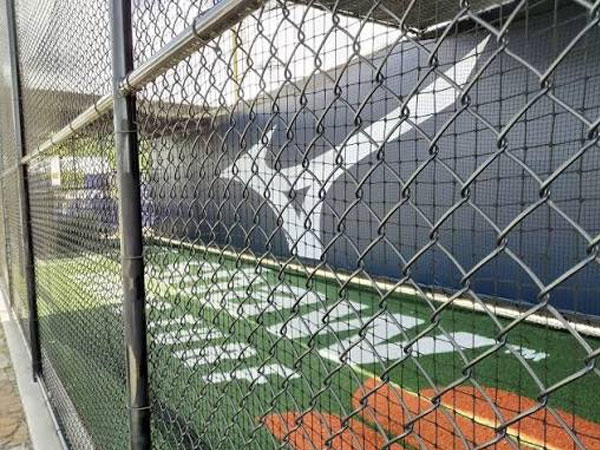 Stadium fencing also has these features