
A comprehensive introduction to the development and application of glass fiber
2025-08-06
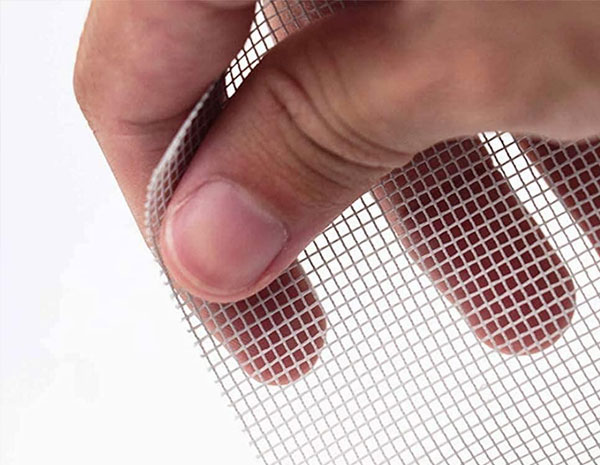
Glass fiber is an inorganic, non-metallic material with excellent properties, available in a wide variety. Its advantages include excellent insulation, heat resistance, corrosion resistance, and mechanical strength, but its disadvantages include brittleness and poor wear resistance. Made from glass spheres or waste glass through high-temperature melting, drawing, winding, and weaving, the fiber's diameter ranges from a few microns to over 20 microns, equivalent to 1/20-1/5 the diameter of a human hair. Each strand of fiber is composed of hundreds or even thousands of individual filaments. Glass fiber is commonly used as a reinforcement in composite materials, electrical insulation, thermal insulation materials, circuit boards, and other applications in various sectors of the national economy.
Classification of Glass Fiber Composite Materials
Glass fiber can be classified by form and length into continuous fiber, staple fiber, and glass wool. Based on its glass content, it can be categorized into alkali-free, chemical-resistant, high-alkali, medium-alkali, high-strength, high-elastic modulus, and alkali-resistant glass fibers.
The main raw materials for producing glass fiber are: quartz sand, alumina and pyrophyllite, limestone, dolomite, boric acid, soda ash, sodium sulfate, fluorite, etc.
The production methods are roughly divided into two categories: one is to directly make molten glass into fibers; the other is to first make molten glass into glass balls or rods with a diameter of 20 mm, and then heat and remelt the molten glass in various ways to make very fine fibers with a diameter of 3 to 80 μm. Fibers of infinite length drawn by mechanical drawing through platinum alloy plates are called continuous glass fibers, commonly known as long fibers. Discontinuous fibers made by rollers or airflow are called fixed-length glass fibers, commonly known as short fibers.
Glass fibers are divided into different grades according to their composition, properties and uses. According to standard grade regulations, E-grade glass fibers are the most commonly used and are widely used in electrical insulation materials; S-grade is a special fiber.
There are many ways to classify glass fibers. Generally, they can be classified based on the composition of glass raw materials, single fiber diameter, fiber appearance and fiber properties.
(1) Generally, they are distinguished by different alkali metal oxide contents.
Alkali-free glass fiber
Medium alkali glass fiber (C glass fiber)
High alkali glass fiber (A glass fiber)
(2) Classification by monofilament diameter
Glass fiber monofilaments are cylindrical and can be divided into several types according to their diameters:
Coarse fiber: 30μm; Primary fiber: 20μm
Intermediate fiber: 10μm~20μm;
High-grade fiber: 3μm~10μm (also known as textile fiber);
Ultrafine fiber: monofilament diameter is less than 4μm. The difference in monofilament diameter not only affects the performance of the fiber, but also affects the production process, output and cost of the fiber. Generally, 5μm-10μm fibers are used as textile products; 10μm-14μm fibers are generally more suitable for making untwisted coarse yarn, non-woven fabrics, chopped fiber mats, etc.
(3) Classification by fiber properties
This is a new type of glass fiber that has been developed to meet special usage requirements. The fiber itself has certain special and excellent properties. It can be roughly divided into:
High-strength glass fiber;
High-modulus glass fiber;
High-temperature resistant glass fiber;
Alkali-resistant glass fiber;
Acid-resistant glass fiber;
Ordinary glass fiber
Optical fiber;
Low dielectric constant glass fiber;
Conductive fiber, etc.
Characteristics of glass fiber composite materials
Glass fiber is more heat-resistant than organic fiber, non-flammable, corrosion-resistant, has good heat and sound insulation, high tensile strength, and good electrical insulation. However, it is brittle and has poor wear resistance. It is used to make reinforced plastics or reinforced rubber. As a reinforcing material, glass fiber has the following characteristics. These characteristics make the use of glass fiber far more extensive than other types of fibers, and its development speed is also far ahead. Its characteristics are listed as follows:
(1) High tensile strength and low elongation.
(2) High elastic modulus and good rigidity.
(3) It has a large elongation within the elastic limit and high tensile strength, so it absorbs a large amount of impact energy.
(4) It is an inorganic fiber, non-flammable and has good chemical resistance.
(5) It has low water absorption.
(6) It has good dimensional stability and heat resistance.
(7) It has good processability and can be made into products in different forms such as strands, bundles, felts, and fabrics.
(8) It is transparent and can transmit light.
(9) The development of a surface treatment agent with good adhesion to resins has been completed.
(10) Fatigue resistance (11) It is not easy to burn and can be melted into glass beads at high temperatures.
Compared with traditional materials, glass fiber composites have two main characteristics: performance designability and consistency between materials and component molding. The desired composite effect of glass fiber composites is to complement the performance of the raw materials and produce a superposition effect, thereby possessing excellent physical and chemical properties that some raw materials do not have.
Classification of Glass Fiber Composite Materials
Glass fiber can be classified by form and length into continuous fiber, staple fiber, and glass wool. Based on its glass content, it can be categorized into alkali-free, chemical-resistant, high-alkali, medium-alkali, high-strength, high-elastic modulus, and alkali-resistant glass fibers.
The main raw materials for producing glass fiber are: quartz sand, alumina and pyrophyllite, limestone, dolomite, boric acid, soda ash, sodium sulfate, fluorite, etc.
The production methods are roughly divided into two categories: one is to directly make molten glass into fibers; the other is to first make molten glass into glass balls or rods with a diameter of 20 mm, and then heat and remelt the molten glass in various ways to make very fine fibers with a diameter of 3 to 80 μm. Fibers of infinite length drawn by mechanical drawing through platinum alloy plates are called continuous glass fibers, commonly known as long fibers. Discontinuous fibers made by rollers or airflow are called fixed-length glass fibers, commonly known as short fibers.
Glass fibers are divided into different grades according to their composition, properties and uses. According to standard grade regulations, E-grade glass fibers are the most commonly used and are widely used in electrical insulation materials; S-grade is a special fiber.
There are many ways to classify glass fibers. Generally, they can be classified based on the composition of glass raw materials, single fiber diameter, fiber appearance and fiber properties.
(1) Generally, they are distinguished by different alkali metal oxide contents.
Alkali-free glass fiber
Medium alkali glass fiber (C glass fiber)
High alkali glass fiber (A glass fiber)
(2) Classification by monofilament diameter
Glass fiber monofilaments are cylindrical and can be divided into several types according to their diameters:
Coarse fiber: 30μm; Primary fiber: 20μm
Intermediate fiber: 10μm~20μm;
High-grade fiber: 3μm~10μm (also known as textile fiber);
Ultrafine fiber: monofilament diameter is less than 4μm. The difference in monofilament diameter not only affects the performance of the fiber, but also affects the production process, output and cost of the fiber. Generally, 5μm-10μm fibers are used as textile products; 10μm-14μm fibers are generally more suitable for making untwisted coarse yarn, non-woven fabrics, chopped fiber mats, etc.
(3) Classification by fiber properties
This is a new type of glass fiber that has been developed to meet special usage requirements. The fiber itself has certain special and excellent properties. It can be roughly divided into:
High-strength glass fiber;
High-modulus glass fiber;
High-temperature resistant glass fiber;
Alkali-resistant glass fiber;
Acid-resistant glass fiber;
Ordinary glass fiber
Optical fiber;
Low dielectric constant glass fiber;
Conductive fiber, etc.
Characteristics of glass fiber composite materials
Glass fiber is more heat-resistant than organic fiber, non-flammable, corrosion-resistant, has good heat and sound insulation, high tensile strength, and good electrical insulation. However, it is brittle and has poor wear resistance. It is used to make reinforced plastics or reinforced rubber. As a reinforcing material, glass fiber has the following characteristics. These characteristics make the use of glass fiber far more extensive than other types of fibers, and its development speed is also far ahead. Its characteristics are listed as follows:
(1) High tensile strength and low elongation.
(2) High elastic modulus and good rigidity.
(3) It has a large elongation within the elastic limit and high tensile strength, so it absorbs a large amount of impact energy.
(4) It is an inorganic fiber, non-flammable and has good chemical resistance.
(5) It has low water absorption.
(6) It has good dimensional stability and heat resistance.
(7) It has good processability and can be made into products in different forms such as strands, bundles, felts, and fabrics.
(8) It is transparent and can transmit light.
(9) The development of a surface treatment agent with good adhesion to resins has been completed.
(10) Fatigue resistance (11) It is not easy to burn and can be melted into glass beads at high temperatures.
Compared with traditional materials, glass fiber composites have two main characteristics: performance designability and consistency between materials and component molding. The desired composite effect of glass fiber composites is to complement the performance of the raw materials and produce a superposition effect, thereby possessing excellent physical and chemical properties that some raw materials do not have.
 If the wire diameter of a stainless steel rope mesh is reduced, by how much will its impact resistance and load-bearing capacity decrease?
  Advantages and Application Scenarios of Expanded Metal Mesh
  Why Stainless Steel Mining Screens Rust and How to Treat Them After Rusting
  Gabion protection technology
  What factors should be considered when selecting zinc-steel fencing?
  What are the anti-corrosion processes for framed wire mesh fencing?
  Why are bent-profile guardrails the preferred choice for municipal and industrial park perimeter protection?
  Detailed Procedure for Installing External Wall Insulation Mesh
  What role does hot-dip galvanizing technology play in guardrail products?
  When it comes to balcony safety, it is worth learning more about stainless steel cable mesh fall-prevention netting.
  Understanding the Multifaceted Engineering Value of Stainless Steel Rope Mesh
  How to determine whether manufactured welded wire mesh meets quality standards
  Why is mesh used for wall plastering?
  Four simple steps to teach you how to install wall corner protectors
  How to make the mesh fabric adhere more firmly during external wall insulation?
  4 Practical Tips for Buying Fiberglass Mesh
  How to Choose Chain-Link Mesh
  Five Key Reasons to Choose Stainless Steel Rope Mesh: Reliability and Cost-Effectiveness
  How can gabion mesh be applied in complex terrain?
  How much do you know about the tensile strength and elongation of Gabion mesh?