
Application Environment of 304 Stainless Steel Wire Mesh
2026-06-18
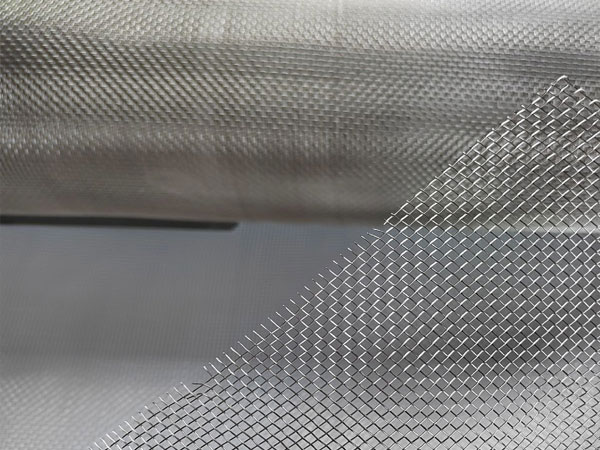
Used for screening and filtration in acidic and alkaline environments, as mud screens in the petroleum industry, as filter screens in the chemical and fiber industries, and as pickling screens in the electroplating industry. It is used in mining, petroleum, chemical, food, pharmaceutical, and machinery manufacturing industries. The service life of ordinary conveyor belts is much shorter compared to 304 stainless steel conveyor belts because the operating environments are more complex, such as high-temperature and corrosive environments. As is well known, 304 stainless steel conveyor belts are characterized by high temperature resistance, corrosion resistance, and high strength.
When using conveyor belts in ultra-high temperature environments exceeding 400℃, the strength of the conveyor belt gradually decreases as the temperature rises due to the heat from the transported material. The service life limitation of 304 stainless steel conveyor belts will depend on the temperature generated by the elastic friction between the material and the conveyor belt, as well as the temperature of the material itself. Whether temperatures exceeding 400℃ will affect the service life of 304 stainless steel conveyor belts should be consulted with the 304 stainless steel conveyor belt manufacturer.
Under normal conditions, 304 stainless steel mesh belts are heat-resistant, so their service life will not be affected at 400℃. However, due to differences in manufacturing processes, the service life of 304 stainless steel mesh belts manufactured by different companies varies. When using 304 stainless steel mesh belts in high-temperature environments, the following issues need to be considered: a) The heat generated by friction during operation.
Due to differences in manufacturing processes, the coefficients of thermal expansion of 304 stainless steel mesh belts differ. When different materials are welded together, there is a possibility of thermal fatigue. The reduced inter-part expansion caused by temperature exceeding 400℃ should also be fully considered. Creep. Ordinary mesh belts exhibit thermal brittleness at high temperatures, and 304 stainless steel mesh belts are no exception. Carbon precipitation brittleness; the impact of temperature changes on the use of 304 stainless steel mesh belts (cooling and expansion); the impact of high-temperature environments on lubrication; silicon, graphite, and molybdenum disulfide lubricants all have excellent heat resistance.
When using conveyor belts in ultra-high temperature environments exceeding 400℃, the strength of the conveyor belt gradually decreases as the temperature rises due to the heat from the transported material. The service life limitation of 304 stainless steel conveyor belts will depend on the temperature generated by the elastic friction between the material and the conveyor belt, as well as the temperature of the material itself. Whether temperatures exceeding 400℃ will affect the service life of 304 stainless steel conveyor belts should be consulted with the 304 stainless steel conveyor belt manufacturer.
Under normal conditions, 304 stainless steel mesh belts are heat-resistant, so their service life will not be affected at 400℃. However, due to differences in manufacturing processes, the service life of 304 stainless steel mesh belts manufactured by different companies varies. When using 304 stainless steel mesh belts in high-temperature environments, the following issues need to be considered: a) The heat generated by friction during operation.
Due to differences in manufacturing processes, the coefficients of thermal expansion of 304 stainless steel mesh belts differ. When different materials are welded together, there is a possibility of thermal fatigue. The reduced inter-part expansion caused by temperature exceeding 400℃ should also be fully considered. Creep. Ordinary mesh belts exhibit thermal brittleness at high temperatures, and 304 stainless steel mesh belts are no exception. Carbon precipitation brittleness; the impact of temperature changes on the use of 304 stainless steel mesh belts (cooling and expansion); the impact of high-temperature environments on lubrication; silicon, graphite, and molybdenum disulfide lubricants all have excellent heat resistance.
 If the wire diameter of a stainless steel rope mesh is reduced, by how much will its impact resistance and load-bearing capacity decrease?
  Advantages and Application Scenarios of Expanded Metal Mesh
 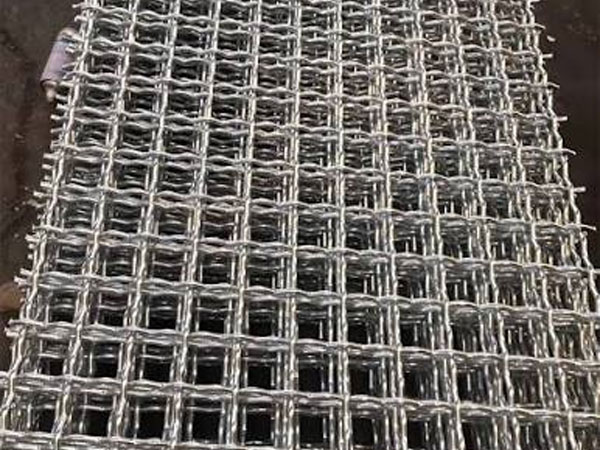 Why Stainless Steel Mining Screens Rust and How to Treat Them After Rusting
 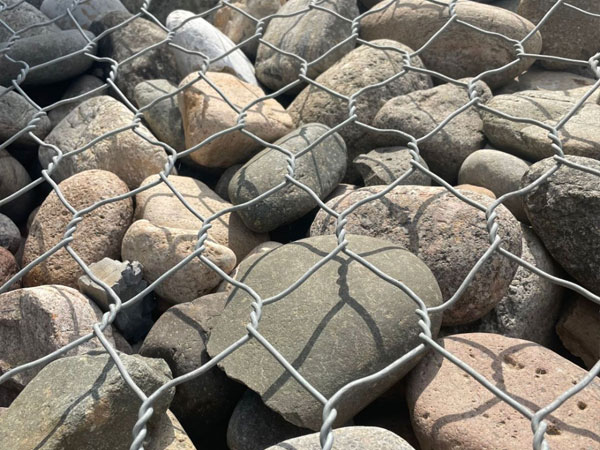 Gabion protection technology
 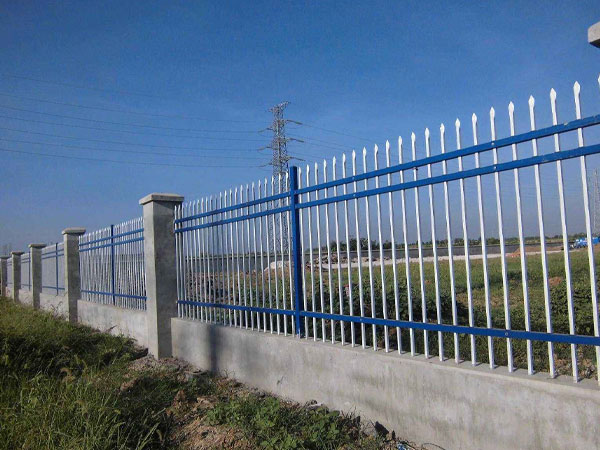 What factors should be considered when selecting zinc-steel fencing?
 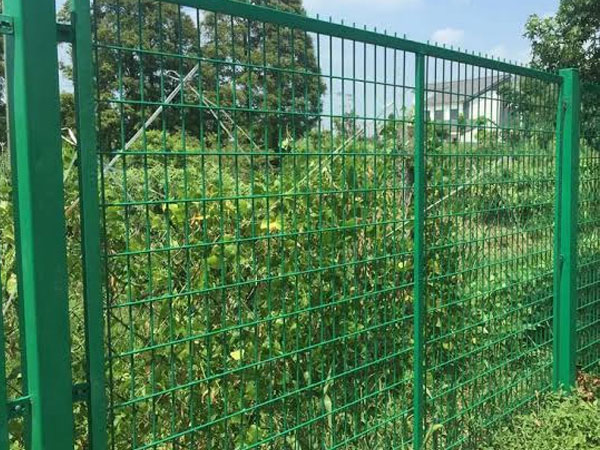 What are the anti-corrosion processes for framed wire mesh fencing?
  Why are bent-profile guardrails the preferred choice for municipal and industrial park perimeter protection?
 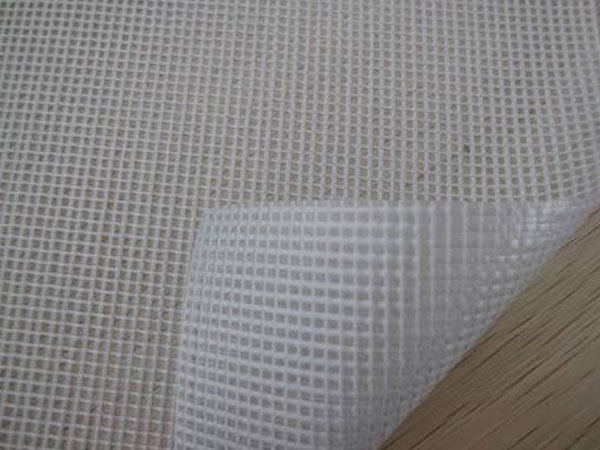 Detailed Procedure for Installing External Wall Insulation Mesh
 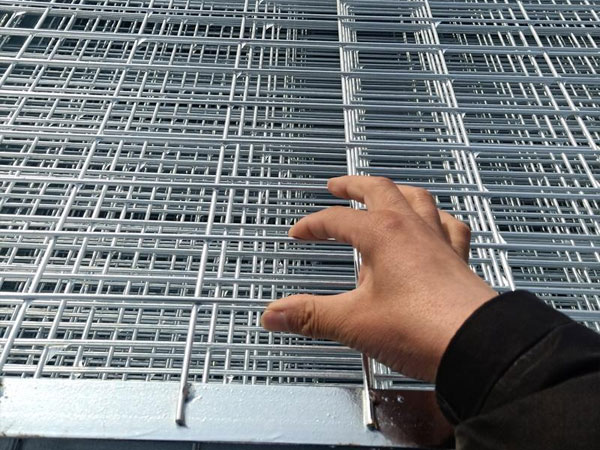 What role does hot-dip galvanizing technology play in guardrail products?
 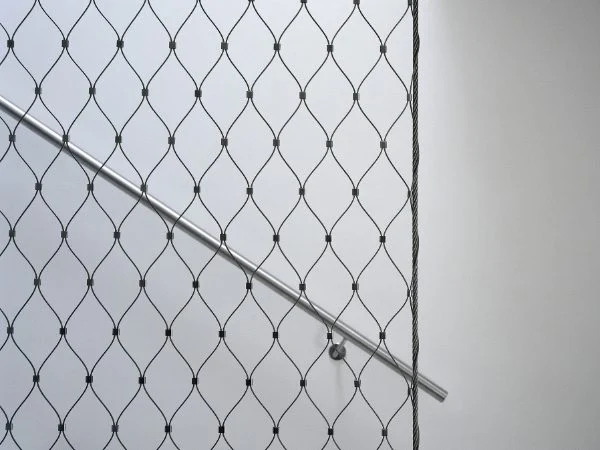 When it comes to balcony safety, it is worth learning more about stainless steel cable mesh fall-prevention netting.
 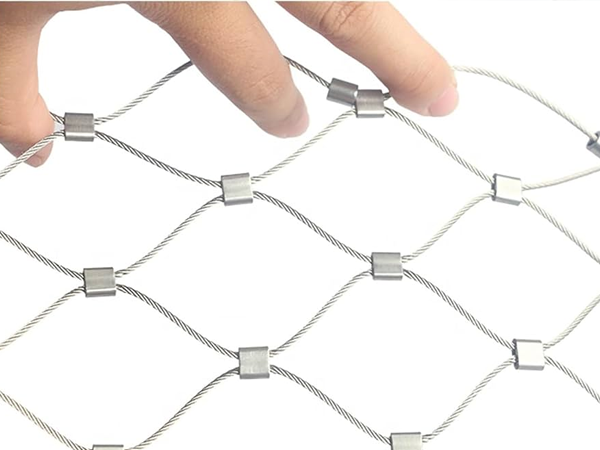 Understanding the Multifaceted Engineering Value of Stainless Steel Rope Mesh
  How to determine whether manufactured welded wire mesh meets quality standards
 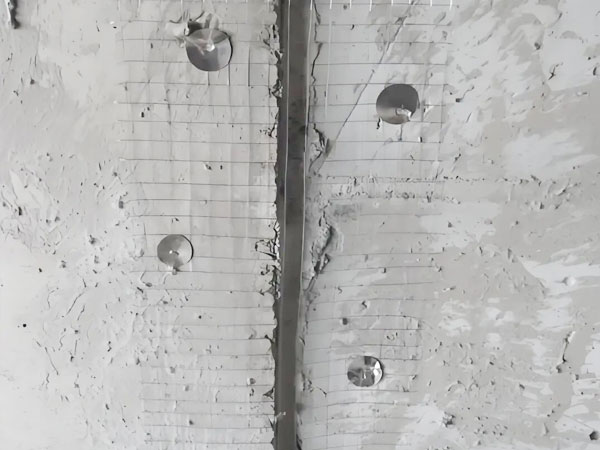 Why is mesh used for wall plastering?
 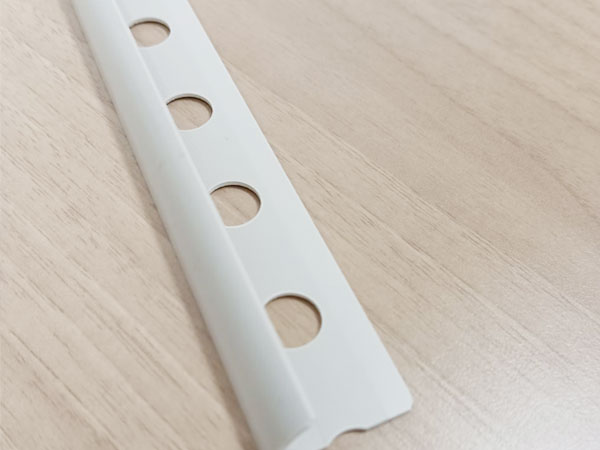 Four simple steps to teach you how to install wall corner protectors
 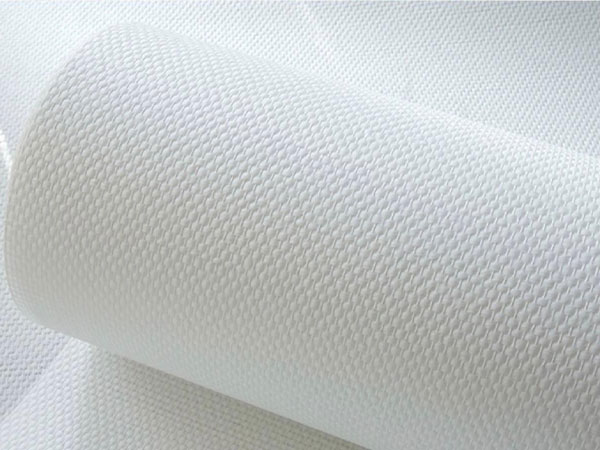 How to make the mesh fabric adhere more firmly during external wall insulation?
 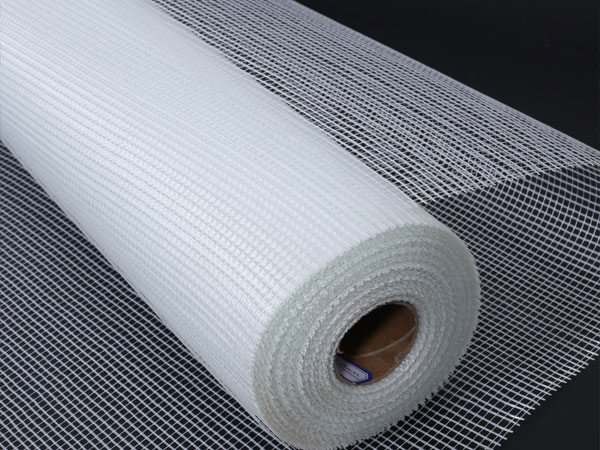 4 Practical Tips for Buying Fiberglass Mesh
 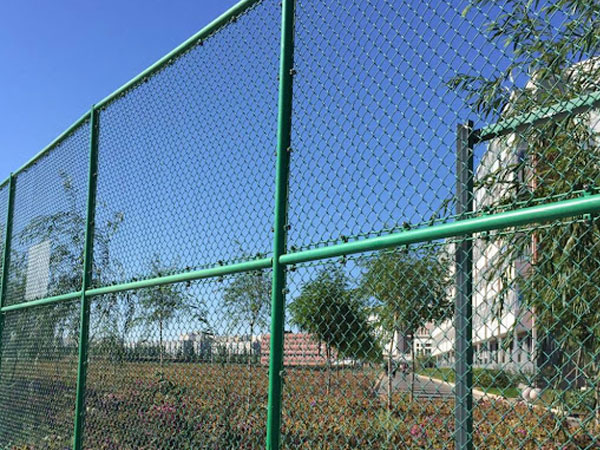 How to Choose Chain-Link Mesh
  Five Key Reasons to Choose Stainless Steel Rope Mesh: Reliability and Cost-Effectiveness
 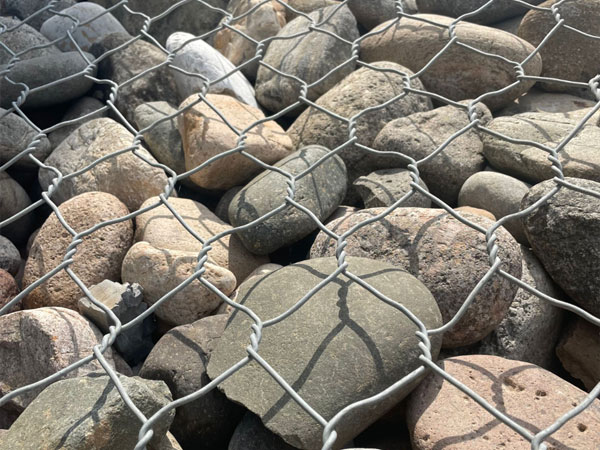 How can gabion mesh be applied in complex terrain?
 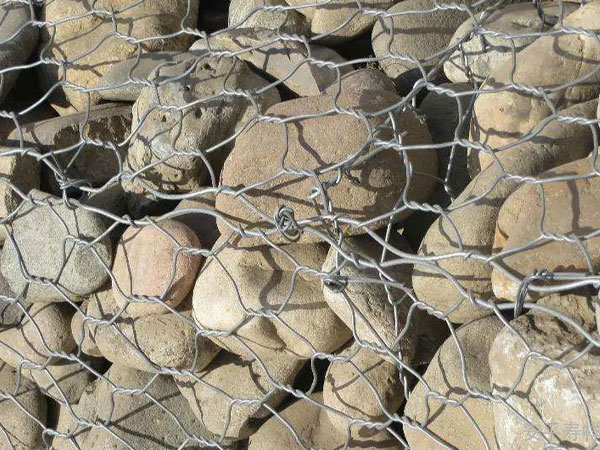 How much do you know about the tensile strength and elongation of Gabion mesh?