
What are the common application scenarios of steel grating?
2025-10-22
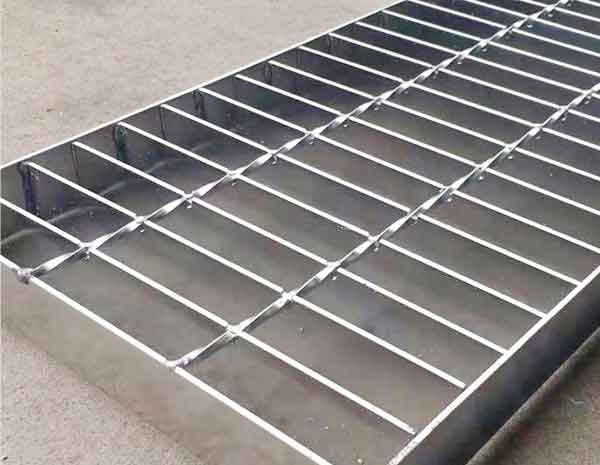
As a versatile material, steel grating is widely used in various fields due to its high strength, anti-slip properties, air permeability, and durability. The following are some common applications of steel grating:
Construction Engineering
1. Stairs, Platforms, Stairways, Overpasses: In public places such as industrial plants, commercial buildings, and stadiums, steel grating is often used in building structures such as stairs, platforms, stairways, and overpasses to ensure safety and stability.
2. Stacking Racks, Shelves, and Truck Canopies: In warehouses, supermarkets, and logistics transportation, steel grating is often used as the primary material for stacking racks, shelves, and truck canopies, offering excellent ventilation and humidity control properties.
Transportation
1. Bridges, Docks, and Airport Terminals: Steel grating is widely used in bridges across rivers, seas, railways, and highways, effectively increasing their load-bearing capacity and ensuring safety and stability.
2. Vehicle Guardrails and Fences: In addition to building structures, steel grating is also commonly used in vehicle guardrails, fences, and airport security gates to ensure the safety of people and vehicles. Industrial Manufacturing
1. Coal Mining, Electric Power, and Metallurgy: Steel grating is widely used in underground water treatment tanks, chemical liquid storage tanks, and machinery and equipment accessories in mines, chemical plants, power plants, and other locations.
2. Equipment Maintenance, Platforms, and Operating Tables: In industrial production sites, steel grating is often used in equipment maintenance, platforms, and operating tables, and is lightweight, durable, and easy to install.
Municipal Facilities
1. Drains, Manhole Covers, and Guardrails: In public places such as urban roads, squares, and parks, steel grating is widely used in drains, manhole covers, and guardrails.
2. Trash Bins, Public Toilets, and Bus Stops: In urban infrastructure construction, steel grating is also commonly used in facilities such as trash bins, public toilets, and bus stops.
Energy Sector
1. Wind Turbines: In wind turbines used in the renewable energy sector, steel grating is used to create components such as platforms, stairs, and fences. 2. Petrochemical Industry: Steel grating can be made into various reactors, storage tanks, and other containers, demonstrating excellent pressure and corrosion resistance.
Other Applications
1. Architectural Decoration: Steel grating is also used in architectural decoration applications, such as floors, columns, and screens, offering aesthetic appeal, fire resistance, corrosion resistance, and UV resistance.
2. Sewage Treatment: Steel grating is commonly used in sewage treatment facilities. Due to its strong corrosion resistance, it offers a long service life and excellent economic benefits.
In short, as a versatile material, steel grating has a wide range of applications in various fields, including construction, transportation, industrial manufacturing, municipal infrastructure, and the energy sector.
Construction Engineering
1. Stairs, Platforms, Stairways, Overpasses: In public places such as industrial plants, commercial buildings, and stadiums, steel grating is often used in building structures such as stairs, platforms, stairways, and overpasses to ensure safety and stability.
2. Stacking Racks, Shelves, and Truck Canopies: In warehouses, supermarkets, and logistics transportation, steel grating is often used as the primary material for stacking racks, shelves, and truck canopies, offering excellent ventilation and humidity control properties.
Transportation
1. Bridges, Docks, and Airport Terminals: Steel grating is widely used in bridges across rivers, seas, railways, and highways, effectively increasing their load-bearing capacity and ensuring safety and stability.
2. Vehicle Guardrails and Fences: In addition to building structures, steel grating is also commonly used in vehicle guardrails, fences, and airport security gates to ensure the safety of people and vehicles. Industrial Manufacturing
1. Coal Mining, Electric Power, and Metallurgy: Steel grating is widely used in underground water treatment tanks, chemical liquid storage tanks, and machinery and equipment accessories in mines, chemical plants, power plants, and other locations.
2. Equipment Maintenance, Platforms, and Operating Tables: In industrial production sites, steel grating is often used in equipment maintenance, platforms, and operating tables, and is lightweight, durable, and easy to install.
Municipal Facilities
1. Drains, Manhole Covers, and Guardrails: In public places such as urban roads, squares, and parks, steel grating is widely used in drains, manhole covers, and guardrails.
2. Trash Bins, Public Toilets, and Bus Stops: In urban infrastructure construction, steel grating is also commonly used in facilities such as trash bins, public toilets, and bus stops.
Energy Sector
1. Wind Turbines: In wind turbines used in the renewable energy sector, steel grating is used to create components such as platforms, stairs, and fences. 2. Petrochemical Industry: Steel grating can be made into various reactors, storage tanks, and other containers, demonstrating excellent pressure and corrosion resistance.
Other Applications
1. Architectural Decoration: Steel grating is also used in architectural decoration applications, such as floors, columns, and screens, offering aesthetic appeal, fire resistance, corrosion resistance, and UV resistance.
2. Sewage Treatment: Steel grating is commonly used in sewage treatment facilities. Due to its strong corrosion resistance, it offers a long service life and excellent economic benefits.
In short, as a versatile material, steel grating has a wide range of applications in various fields, including construction, transportation, industrial manufacturing, municipal infrastructure, and the energy sector.
 If the wire diameter of a stainless steel rope mesh is reduced, by how much will its impact resistance and load-bearing capacity decrease?
  Advantages and Application Scenarios of Expanded Metal Mesh
  Why Stainless Steel Mining Screens Rust and How to Treat Them After Rusting
  Gabion protection technology
  What factors should be considered when selecting zinc-steel fencing?
  What are the anti-corrosion processes for framed wire mesh fencing?
  Why are bent-profile guardrails the preferred choice for municipal and industrial park perimeter protection?
  Detailed Procedure for Installing External Wall Insulation Mesh
  What role does hot-dip galvanizing technology play in guardrail products?
  When it comes to balcony safety, it is worth learning more about stainless steel cable mesh fall-prevention netting.
  Understanding the Multifaceted Engineering Value of Stainless Steel Rope Mesh
  How to determine whether manufactured welded wire mesh meets quality standards
  Why is mesh used for wall plastering?
  Four simple steps to teach you how to install wall corner protectors
  How to make the mesh fabric adhere more firmly during external wall insulation?
  4 Practical Tips for Buying Fiberglass Mesh
  How to Choose Chain-Link Mesh
  Five Key Reasons to Choose Stainless Steel Rope Mesh: Reliability and Cost-Effectiveness
  How can gabion mesh be applied in complex terrain?
  How much do you know about the tensile strength and elongation of Gabion mesh?