Comment choisir les bons produits de clôture pour bétail
2026-06-11
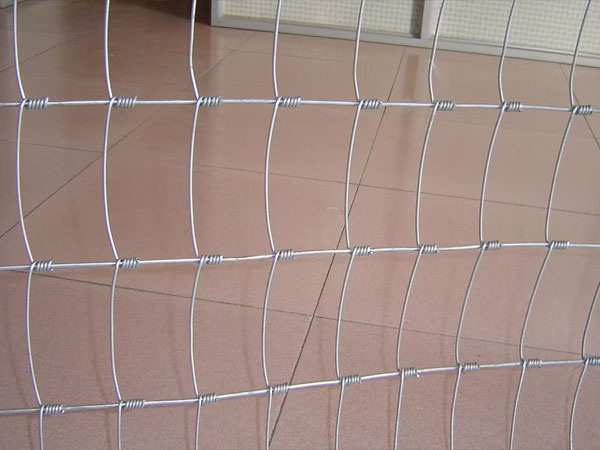
Cattle fences are one of the most common fencing products used in ranches, farms, and livestock farms. Faced with a wide variety of cattle fences on the market, many buyers often focus only on price, neglecting product quality, the usage environment, and actual needs. In fact, choosing the right cattle fence can not only improve the fence's effectiveness but also significantly reduce later maintenance and replacement costs.
So, how can you choose the right cattle fence for your needs?
## Identify Your Animal Species
The first step in choosing cattle fences is to determine which animals the fence will primarily be used for.
Different livestock have significantly different fence requirements:
### Cattle
Cattle are relatively large and require high-strength fences.
Recommended Selection:
* High-strength cattle fence
* Hot-dip galvanized
* Medium to large mesh design
* Hot-dip galvanized
* Medium to large mesh design
### Sheep
Sheep are smaller and can easily slip out of the fence.
Recommended Options:
* Small mesh size at the bottom
* Dense vertical spacing
* Anti-escape design
* Dense vertical spacing
* Anti-escape design
### Horses
Horses have the highest safety requirements.
Recommended Options:
* S-knot Fence
* Horse Farm Fence
* Taller Fence Design
* Horse Farm Fence
* Taller Fence Design
### Deer
Deer have strong jumping ability and high impact force.
Recommended Options:
* Fixed Knot Fence
* Higher Fence Height
* High Tensile Strength Steel Wire
* Higher Fence Height
* High Tensile Strength Steel Wire
Only after clearly identifying the species being raised can you select product specifications accordingly.
## Focus on Knot Structure
The performance of cattle fences largely depends on the knot structure.
### Hinge Joint
Features:
* Economical and practical
* Easy to install
* Good flexibility
* Easy to install
* Good flexibility
Suitable for:
* Cattle farms
* Sheep farms
* General farm fencing
* Sheep farms
* General farm fencing
### Fixed Knot
Features:
* High strength
* Not easily deformed
* Long service life
* Not easily deformed
* Long service life
Suitable for:
* Large ranches
* Deer farms
* High-strength fencing areas
* Deer farms
* High-strength fencing areas
### S-Knot
Features:
* Smooth joint
* High security
* Strong impact resistance
* High security
* Strong impact resistance
Suitable for:
* Horse farms
* High-value livestock farms
* High-value livestock farms
Choosing the appropriate knot method based on actual usage needs can significantly improve fence performance.
## Choosing the Appropriate Fence Height
Fence height directly affects the protective effect.
Common recommended heights are as follows:
| Livestock Species | Recommended Height |
| ---- | --------- |
| Sheep | 0.9m-1.1m |
| Goats | 1.0m-1.2m |
| Cattle | 1.2m-1.5m |
| Horses | 1.4m-1.8m |
| Deer | 1.8m-2.4m |
Too low a height can easily cause livestock to escape, while too high a height will increase procurement costs.
## Steel Wire Material Determines Product Lifespan
High-quality cattle fences are typically made of high-strength, low-carbon steel wire.
The advantages include:
* High tensile strength
* Not easily broken
* Even stress distribution
* Longer service life
When purchasing, it is recommended to pay attention to:
* Steel wire material
* Tensile strength
* Wire diameter
Not just the product price.
## Galvanized Layer Thickness is Particularly Important
Cattle fences are exposed to the outdoor environment for extended periods, and their corrosion resistance directly determines their service life.
### Electro-galvanized
Advantages:
* Low cost
Disadvantages:
* Thinner zinc layer
* Limited corrosion resistance
### Hot-dip galvanized
Advantages:
* Thicker zinc layer
* Excellent corrosion resistance
* Longer service life
For long-term ranch projects, hot-dip galvanized products are generally a more worthwhile investment.
## Choosing Products Based on Environment
Different regions have different requirements for cattle fence mesh.
### Dry Areas
Standard hot-dip galvanized products are suitable.
### Coastal Areas
Recommended choices:
* High-zinc-coating hot-dip galvanized
* Heavy-duty galvanized products
To resist salt spray corrosion.
### High-humidity Areas
Prioritize product specifications with stronger corrosion resistance.
Environmental factors often determine the actual service life of the fence.
## Don't Just Look at the Price
Many buyers only focus on the unit price per roll of cattle fence mesh when comparing products.
In fact, the following should be considered more carefully:
* Service life
* Maintenance costs
* Replacement cycle
* Installation costs
* Maintenance costs
* Replacement cycle
* Installation costs
A slightly more expensive cattle fence with a lifespan of over 20 years is often more economically valuable than a cheaper product.
## Choosing a Reliable Manufacturer
High-quality manufacturers typically offer:
* Stable product quality
* Complete testing reports
* Customized specifications
* Professional technical support
* Comprehensive after-sales service
* Complete testing reports
* Customized specifications
* Professional technical support
* Comprehensive after-sales service
Before purchasing, researching a manufacturer's production experience, export markets, and customer case studies can reduce procurement risks.
## Conclusion
Choosing cattle fence is not simply about comparing prices; it requires comprehensive consideration of factors such as the type of livestock being raised, the fastening structure, fence height, wire quality, galvanizing process, and the usage environment. Only by choosing a product truly suited to the project's needs can better enclosure effects and a longer service life be achieved.
Whether it's a cattle farm, sheep farm, horse farm, or large-scale ranch project, choosing the right cattle fence will bring greater safety and economic benefits to your livestock operations.
 If the wire diameter of a stainless steel rope mesh is reduced, by how much will its impact resistance and load-bearing capacity decrease?
  Advantages and Application Scenarios of Expanded Metal Mesh
  Why Stainless Steel Mining Screens Rust and How to Treat Them After Rusting
  Gabion protection technology
  What factors should be considered when selecting zinc-steel fencing?
  What are the anti-corrosion processes for framed wire mesh fencing?
 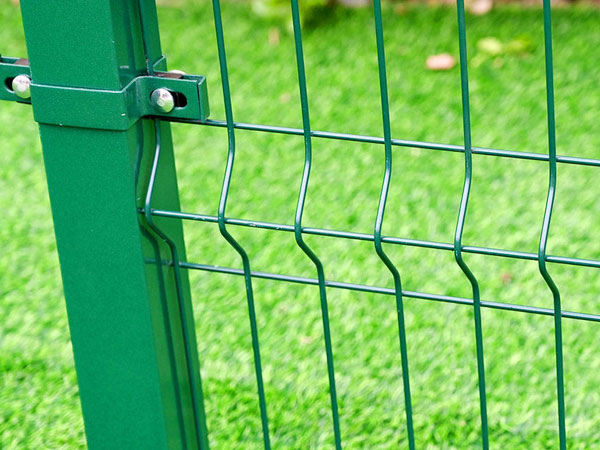 Why are bent-profile guardrails the preferred choice for municipal and industrial park perimeter protection?
 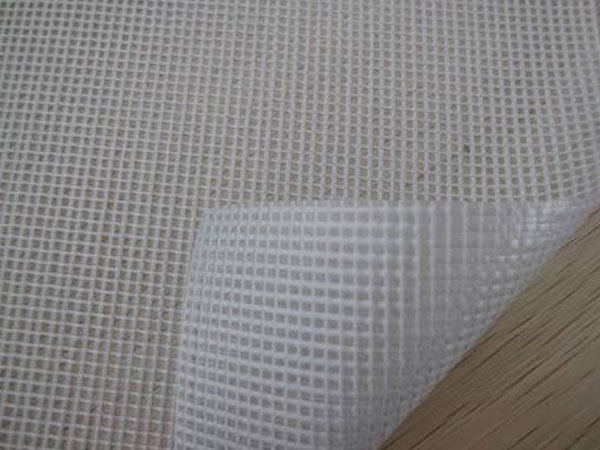 Detailed Procedure for Installing External Wall Insulation Mesh
 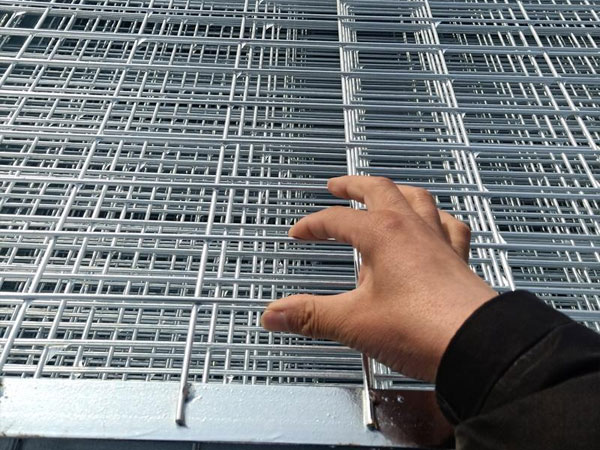 What role does hot-dip galvanizing technology play in guardrail products?
 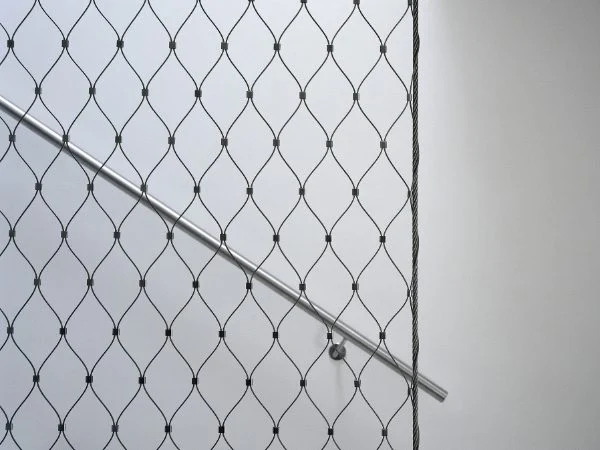 When it comes to balcony safety, it is worth learning more about stainless steel cable mesh fall-prevention netting.
  Understanding the Multifaceted Engineering Value of Stainless Steel Rope Mesh
  How to determine whether manufactured welded wire mesh meets quality standards
  Why is mesh used for wall plastering?
  Four simple steps to teach you how to install wall corner protectors
  How to make the mesh fabric adhere more firmly during external wall insulation?
  4 Practical Tips for Buying Fiberglass Mesh
  How to Choose Chain-Link Mesh
  Five Key Reasons to Choose Stainless Steel Rope Mesh: Reliability and Cost-Effectiveness
  How can gabion mesh be applied in complex terrain?
  How much do you know about the tensile strength and elongation of Gabion mesh?