
Basic introduction of glass fiber tape
2023-04-06
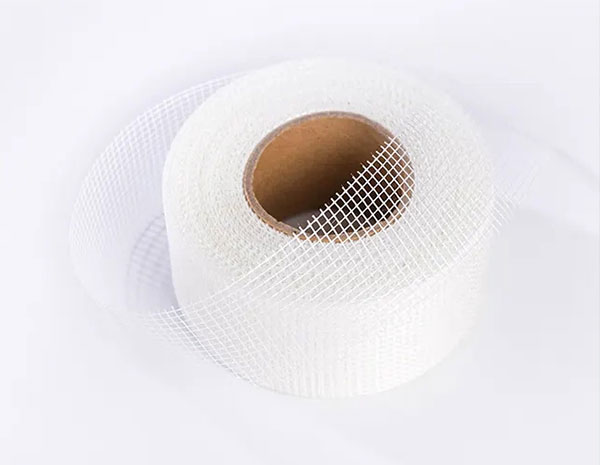
Fiberglass tape is a tool for repairing drywall and plasterboard joints. It is characterized by excellent alkali resistance and durability.
Folding purpose:
Repair drywall, plasterboard joints, cracks in all types of walls, and other wall damage.
Folding main performance:
Excellent alkali resistance, durable: high tensile strength and deformation resistance, anti-crack: no deterioration, no foam: excellent self-
Viscosity, insulation and heat conduction, high temperature resistance.
No pre-priming is required, quick to use and easy to construct.
Specifications: 8×8.9×9 mesh/inch: 55-85 grams/square meter.
Width: 25-1 000mm: Length: 10-153m.
Introduction:
Folding construction method
1. Keep the wall surface clean and dry.
2. Put tape on the crack and press it tightly.
3. Confirm that the gap has been covered with tape, then cut off the tape with a knife, and finally apply mortar.
4. Let it air dry naturally, then sand lightly.
5. Fill with enough paint to make the surface smooth.
6. Cut off the leaking tape. Then, notice that all cracks have been properly repaired, and use a fine compound to touch up around the joints to make them look like new.
Folding National Standards
The current national technical standard for external wall insulation (JG149-2003): the alkali-resistant tensile fracture strength of glass fiber mesh in the warp and weft directions shall not be less than 750N/50mm, and the alkali-resistant tensile fracture strength retention rate of glass brazing tape shall not be less than 50%. , weight ≥ 130 grams per square meter. The JG158-2004 glass fiber mesh warp and weft alkali-resistant tensile breaking strength shall not be less than 1250N/50 mm, the alkali-resistant tensile breaking strength retention rate shall not be less than 90%, and the weight per square meter shall be ≥ 160 grams.
Folding purpose:
Repair drywall, plasterboard joints, cracks in all types of walls, and other wall damage.
Folding main performance:
Excellent alkali resistance, durable: high tensile strength and deformation resistance, anti-crack: no deterioration, no foam: excellent self-
Viscosity, insulation and heat conduction, high temperature resistance.
No pre-priming is required, quick to use and easy to construct.
Specifications: 8×8.9×9 mesh/inch: 55-85 grams/square meter.
Width: 25-1 000mm: Length: 10-153m.
Introduction:
Folding construction method
1. Keep the wall surface clean and dry.
2. Put tape on the crack and press it tightly.
3. Confirm that the gap has been covered with tape, then cut off the tape with a knife, and finally apply mortar.
4. Let it air dry naturally, then sand lightly.
5. Fill with enough paint to make the surface smooth.
6. Cut off the leaking tape. Then, notice that all cracks have been properly repaired, and use a fine compound to touch up around the joints to make them look like new.
Folding National Standards
The current national technical standard for external wall insulation (JG149-2003): the alkali-resistant tensile fracture strength of glass fiber mesh in the warp and weft directions shall not be less than 750N/50mm, and the alkali-resistant tensile fracture strength retention rate of glass brazing tape shall not be less than 50%. , weight ≥ 130 grams per square meter. The JG158-2004 glass fiber mesh warp and weft alkali-resistant tensile breaking strength shall not be less than 1250N/50 mm, the alkali-resistant tensile breaking strength retention rate shall not be less than 90%, and the weight per square meter shall be ≥ 160 grams.
 If the wire diameter of a stainless steel rope mesh is reduced, by how much will its impact resistance and load-bearing capacity decrease?
  Advantages and Application Scenarios of Expanded Metal Mesh
  Why Stainless Steel Mining Screens Rust and How to Treat Them After Rusting
  Gabion protection technology
  What factors should be considered when selecting zinc-steel fencing?
  What are the anti-corrosion processes for framed wire mesh fencing?
  Why are bent-profile guardrails the preferred choice for municipal and industrial park perimeter protection?
  Detailed Procedure for Installing External Wall Insulation Mesh
  What role does hot-dip galvanizing technology play in guardrail products?
  When it comes to balcony safety, it is worth learning more about stainless steel cable mesh fall-prevention netting.
  Understanding the Multifaceted Engineering Value of Stainless Steel Rope Mesh
  How to determine whether manufactured welded wire mesh meets quality standards
  Why is mesh used for wall plastering?
  Four simple steps to teach you how to install wall corner protectors
  How to make the mesh fabric adhere more firmly during external wall insulation?
  4 Practical Tips for Buying Fiberglass Mesh
  How to Choose Chain-Link Mesh
  Five Key Reasons to Choose Stainless Steel Rope Mesh: Reliability and Cost-Effectiveness
  How can gabion mesh be applied in complex terrain?
  How much do you know about the tensile strength and elongation of Gabion mesh?