
Gabion mesh manufacturing process and advantages
2026-05-07
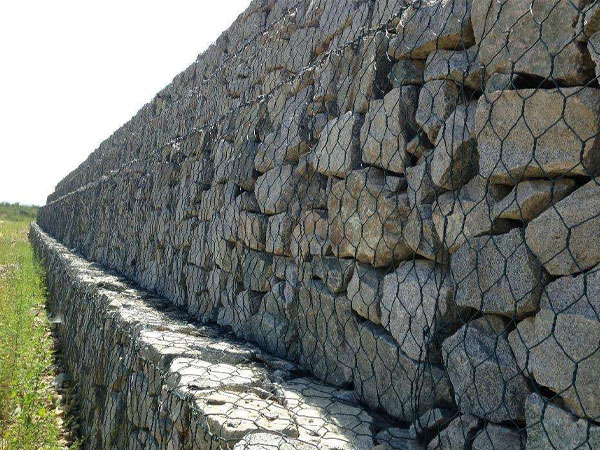
Gabion mesh is mechanically woven from high-corrosion-resistant, high-strength, and ductile low-carbon steel wire or PVC-coated steel wire. The box-shaped structure made from this mesh is called a gabion box. According to ASTM and EN standards, the diameter of the low-carbon steel wire used varies depending on the engineering design requirements, generally between 2.0-4.0 mm. The tensile strength of the gabion wire is not less than 350 MPa, and the metal coating weight is generally ≥245 g/m². The diameter of the edge wire of the gabion mesh is generally larger than the diameter of the mesh wire. The length of the double-twisted section must not be less than 30 mm to ensure that the metal and PVC coatings of the twisted wires are not damaged.
Gabion mesh can be used for slope protection, foundation pit support, rock face netting and shotcreting, slope vegetation (greening), and railway and highway isolation fencing. It can also be made into cages and mattresses for erosion protection of rivers, dams, and seawalls, as well as for reservoir and river diversion. The most serious river disasters are the erosion of riverbanks by flowing water, leading to floods, massive loss of life and property, and significant soil erosion. Therefore, the application of gabion ecological structures is one of the best solutions for addressing these problems, providing permanent protection for riverbeds and banks.
Advantages of gabion ecological structures:
1. The flexible structure can adapt to slope changes without being damaged, offering better safety and stability than rigid structures;
2. Strong erosion resistance, able to withstand high water flow velocities up to 6 m/s;
3. This structure is inherently permeable, possessing strong tolerance for the natural action and filtration of groundwater. Suspended solids and silt in the water can settle in the gaps between the stones, thus promoting the growth of natural vegetation and gradually restoring the original ecological environment.
Gabion mesh is a mesh structure made of iron or polymer wire used to fix stones in place. Wire cages are structures made of woven or welded wire mesh. Both types of structures can be electroplated, and woven wire cages can be additionally coated with PVC. Using weather-resistant, hard stones as filler, it will not break quickly due to abrasion in gabion boxes or gabion slabs. Gabions filled with different types of stones have different characteristics. Angular stones can interlock well with each other, and gabions filled with them are not easily deformed.
Gabion mesh can be used for slope protection, foundation pit support, rock face netting and shotcreting, slope vegetation (greening), and railway and highway isolation fencing. It can also be made into cages and mattresses for erosion protection of rivers, dams, and seawalls, as well as for reservoir and river diversion. The most serious river disasters are the erosion of riverbanks by flowing water, leading to floods, massive loss of life and property, and significant soil erosion. Therefore, the application of gabion ecological structures is one of the best solutions for addressing these problems, providing permanent protection for riverbeds and banks.
Advantages of gabion ecological structures:
1. The flexible structure can adapt to slope changes without being damaged, offering better safety and stability than rigid structures;
2. Strong erosion resistance, able to withstand high water flow velocities up to 6 m/s;
3. This structure is inherently permeable, possessing strong tolerance for the natural action and filtration of groundwater. Suspended solids and silt in the water can settle in the gaps between the stones, thus promoting the growth of natural vegetation and gradually restoring the original ecological environment.
Gabion mesh is a mesh structure made of iron or polymer wire used to fix stones in place. Wire cages are structures made of woven or welded wire mesh. Both types of structures can be electroplated, and woven wire cages can be additionally coated with PVC. Using weather-resistant, hard stones as filler, it will not break quickly due to abrasion in gabion boxes or gabion slabs. Gabions filled with different types of stones have different characteristics. Angular stones can interlock well with each other, and gabions filled with them are not easily deformed.
 If the wire diameter of a stainless steel rope mesh is reduced, by how much will its impact resistance and load-bearing capacity decrease?
  Advantages and Application Scenarios of Expanded Metal Mesh
  Why Stainless Steel Mining Screens Rust and How to Treat Them After Rusting
  Gabion protection technology
  What factors should be considered when selecting zinc-steel fencing?
  What are the anti-corrosion processes for framed wire mesh fencing?
  Why are bent-profile guardrails the preferred choice for municipal and industrial park perimeter protection?
  Detailed Procedure for Installing External Wall Insulation Mesh
  What role does hot-dip galvanizing technology play in guardrail products?
  When it comes to balcony safety, it is worth learning more about stainless steel cable mesh fall-prevention netting.
  Understanding the Multifaceted Engineering Value of Stainless Steel Rope Mesh
  How to determine whether manufactured welded wire mesh meets quality standards
  Why is mesh used for wall plastering?
  Four simple steps to teach you how to install wall corner protectors
  How to make the mesh fabric adhere more firmly during external wall insulation?
  4 Practical Tips for Buying Fiberglass Mesh
  How to Choose Chain-Link Mesh
  Five Key Reasons to Choose Stainless Steel Rope Mesh: Reliability and Cost-Effectiveness
  How can gabion mesh be applied in complex terrain?
  How much do you know about the tensile strength and elongation of Gabion mesh?