
How to assess the safety performance of steel grating
2026-03-19
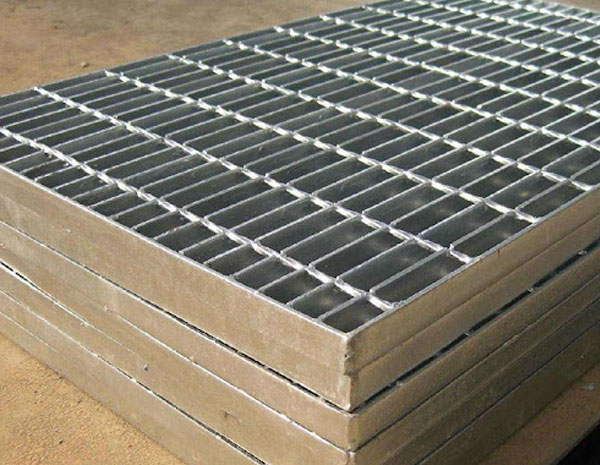
The safety performance assessment of steel grating mainly includes aspects such as anti-slip properties, load-bearing capacity, and durability. The following are detailed assessment methods and standards:
1. Anti-slip Properties Assessment
Surface Treatment: The surface of steel grating is usually treated with anti-slip agents, such as hot-dip galvanizing, painting, or powder coating. Hot-dip galvanizing not only improves corrosion resistance but also increases surface roughness, thereby enhancing anti-slip performance.
Pattern Design: The surface of steel grating can be designed with serrated, diamond-shaped, or lentil-shaped patterns to increase friction. The depth and shape of the pattern should be selected based on the actual usage environment (e.g., humid or oily environments).
Anti-slip Coefficient Testing: Using professional anti-slip coefficient testing equipment, the anti-slip performance of the steel grating under dry and wet conditions is evaluated to ensure it meets relevant standards.
2. Load-Bearing Capacity Assessment
Material Properties: Steel grating is typically made of carbon steel or stainless steel, and its yield strength and tensile strength determine its load-bearing capacity. High-strength steel provides higher load-bearing capacity.
Structural Design: Parameters such as the spacing, thickness, and width of the flat bars and crossbars directly affect the load-bearing capacity. Smaller spacing and greater thickness provide higher load-bearing capacity.
Welding Quality: Good welding quality ensures a strong connection between the flat bars and crossbars, preventing breakage or detachment under load.
Static Load Testing: By simulating actual usage loads, the deformation and bending resistance of the steel grating under pressure are tested to ensure it meets design standards.
3. Durability Assessment
Material Selection: High-quality steel has good corrosion resistance and wear resistance, extending the service life of the steel grating.
Surface Treatment: Hot-dip galvanizing is a common surface treatment method that effectively improves the corrosion resistance of the steel grating. The zinc coating thickness is typically required to be above 85μm.
Accelerated Corrosion Test: The corrosion resistance of the steel grating is evaluated by simulating long-term exposure to a corrosive environment.
Maintenance: Regularly inspect the weld points, surface coating, and structural integrity of the steel grating, and repair and maintain it promptly.
4. Other Inspection Items
Dimensional Accuracy Inspection: Using laser measuring equipment or calipers, the length, width, aperture, etc., of the steel grating are accurately measured to ensure consistency with the design drawings.
Impact Resistance Testing: Impact tests are conducted to evaluate the structural stability and durability of the steel grating under sudden impact.
Chemical Composition Analysis: The elemental content and composition ratio of the steel are analyzed to ensure compliance with relevant standards.
Evaluation Standards: The manufacturing and acceptance of steel gratings must adhere to a series of standards, such as:
YB/T 4001.1-2019: Specifies the requirements for the material, dimensions, welding quality, surface treatment, and load-bearing capacity of the steel grating.
GB/T 13912-2020: Specifies the technical requirements and test methods for hot-dip galvanized coatings.
Through these evaluation methods and standards, the safety performance of the steel grating can be comprehensively assessed, ensuring its reliability and durability in practical use.
1. Anti-slip Properties Assessment
Surface Treatment: The surface of steel grating is usually treated with anti-slip agents, such as hot-dip galvanizing, painting, or powder coating. Hot-dip galvanizing not only improves corrosion resistance but also increases surface roughness, thereby enhancing anti-slip performance.
Pattern Design: The surface of steel grating can be designed with serrated, diamond-shaped, or lentil-shaped patterns to increase friction. The depth and shape of the pattern should be selected based on the actual usage environment (e.g., humid or oily environments).
Anti-slip Coefficient Testing: Using professional anti-slip coefficient testing equipment, the anti-slip performance of the steel grating under dry and wet conditions is evaluated to ensure it meets relevant standards.
2. Load-Bearing Capacity Assessment
Material Properties: Steel grating is typically made of carbon steel or stainless steel, and its yield strength and tensile strength determine its load-bearing capacity. High-strength steel provides higher load-bearing capacity.
Structural Design: Parameters such as the spacing, thickness, and width of the flat bars and crossbars directly affect the load-bearing capacity. Smaller spacing and greater thickness provide higher load-bearing capacity.
Welding Quality: Good welding quality ensures a strong connection between the flat bars and crossbars, preventing breakage or detachment under load.
Static Load Testing: By simulating actual usage loads, the deformation and bending resistance of the steel grating under pressure are tested to ensure it meets design standards.
3. Durability Assessment
Material Selection: High-quality steel has good corrosion resistance and wear resistance, extending the service life of the steel grating.
Surface Treatment: Hot-dip galvanizing is a common surface treatment method that effectively improves the corrosion resistance of the steel grating. The zinc coating thickness is typically required to be above 85μm.
Accelerated Corrosion Test: The corrosion resistance of the steel grating is evaluated by simulating long-term exposure to a corrosive environment.
Maintenance: Regularly inspect the weld points, surface coating, and structural integrity of the steel grating, and repair and maintain it promptly.
4. Other Inspection Items
Dimensional Accuracy Inspection: Using laser measuring equipment or calipers, the length, width, aperture, etc., of the steel grating are accurately measured to ensure consistency with the design drawings.
Impact Resistance Testing: Impact tests are conducted to evaluate the structural stability and durability of the steel grating under sudden impact.
Chemical Composition Analysis: The elemental content and composition ratio of the steel are analyzed to ensure compliance with relevant standards.
Evaluation Standards: The manufacturing and acceptance of steel gratings must adhere to a series of standards, such as:
YB/T 4001.1-2019: Specifies the requirements for the material, dimensions, welding quality, surface treatment, and load-bearing capacity of the steel grating.
GB/T 13912-2020: Specifies the technical requirements and test methods for hot-dip galvanized coatings.
Through these evaluation methods and standards, the safety performance of the steel grating can be comprehensively assessed, ensuring its reliability and durability in practical use.
 If the wire diameter of a stainless steel rope mesh is reduced, by how much will its impact resistance and load-bearing capacity decrease?
  Advantages and Application Scenarios of Expanded Metal Mesh
  Why Stainless Steel Mining Screens Rust and How to Treat Them After Rusting
  Gabion protection technology
  What factors should be considered when selecting zinc-steel fencing?
  What are the anti-corrosion processes for framed wire mesh fencing?
  Why are bent-profile guardrails the preferred choice for municipal and industrial park perimeter protection?
  Detailed Procedure for Installing External Wall Insulation Mesh
  What role does hot-dip galvanizing technology play in guardrail products?
  When it comes to balcony safety, it is worth learning more about stainless steel cable mesh fall-prevention netting.
  Understanding the Multifaceted Engineering Value of Stainless Steel Rope Mesh
  How to determine whether manufactured welded wire mesh meets quality standards
  Why is mesh used for wall plastering?
  Four simple steps to teach you how to install wall corner protectors
  How to make the mesh fabric adhere more firmly during external wall insulation?
  4 Practical Tips for Buying Fiberglass Mesh
  How to Choose Chain-Link Mesh
  Five Key Reasons to Choose Stainless Steel Rope Mesh: Reliability and Cost-Effectiveness
  How can gabion mesh be applied in complex terrain?
  How much do you know about the tensile strength and elongation of Gabion mesh?