
How to select the appropriate manganese steel anti-clogging screen specifications based on your needs
2026-07-21
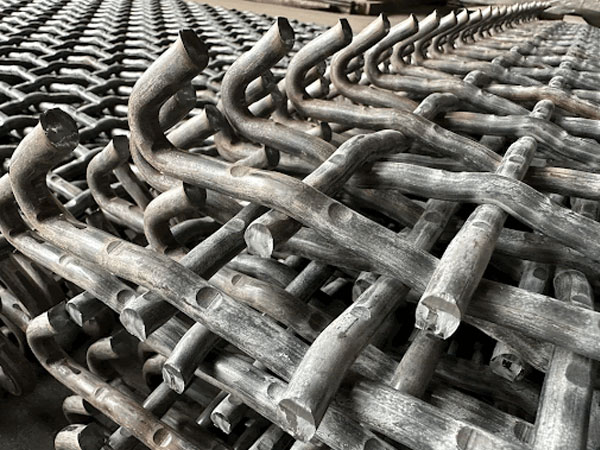
The specifications of manganese steel anti-clogging screens include screen aperture size, wire diameter, screen mesh size, plate thickness, and aperture type. Screen aperture size can be customized from 0.5mm to 100mm. Wire diameter is typically 1.5mm to 16mm, and its thickness directly affects the wear resistance and impact resistance of the screen mesh. Common screen mesh sizes are 0.5mm to 100mm, but can also be customized according to actual needs. Plate thickness is generally 1mm to 20mm; the working environment and load-bearing capacity must be considered when selecting. The advantage of manganese steel anti-clogging screens lies in their excellent anti-clogging performance, making them suitable for screening materials that are prone to clogging.
Due to the use of special materials, special processing technology, adhesive reinforcement treatment, and packaging and transportation requirements, the price of this screen is relatively high. It is essential to select a screen mesh of the appropriate specifications and to install and maintain it correctly to extend its service life.
The specifications of manganese steel anti-clogging screens include mesh size, wire diameter, screen plate thickness, and aperture type, and can be customized according to different application requirements. The specific details are as follows:
1. Mesh Size:
The mesh size of manganese steel anti-clogging screens is typically between 0.5mm and 100mm. Mesh size can be customized to suit different particle sizes depending on the screening requirements. The mesh shape can also be selected in various forms, such as square, rectangular, circular, diamond, or hexagonal holes, depending on the material characteristics and screening accuracy requirements.
2. Wire Diameter:
The wire diameter is typically between 1.5mm and 16mm. The appropriate diameter should be selected based on the actual application scenario and the abrasion resistance of the material being processed. The thickness of the wire directly affects the abrasion resistance and impact resistance of the screen. Thicker wires are more suitable for processing highly abrasive materials.
3. Screen Size:
Common screen sizes are generally between 0.5mm and 100mm, including 1m×2m, 1.5m×3m, 2m×4m, etc. Specific sizes can be customized according to actual needs. The selection of screen size depends on the size of the vibrating screen and the installation method to ensure the screen can be securely installed on the screening machine and operate effectively.
4. Screen Plate Thickness:
Screen plate thickness is generally 1mm to 20mm. The working environment and load-bearing capacity of the screen must be considered when selecting.
5. Aperture Type:
Aperture types generally include square holes, rectangular holes, round holes, diamond holes, hexagonal holes, etc.
Thicker screen plates offer better strength and durability, but may also increase cost and weight.
When selecting a manganese steel anti-clogging screen, factors such as screen aperture size, wire diameter, screen size, and plate thickness should be fully considered to ensure the selected screen meets specific usage requirements and has a long service life. Proper installation and maintenance are also crucial for ensuring screen performance and extending service life. Furthermore, due to its special aperture structure and material requirements, the price of a manganese steel anti-clogging screen is higher than that of a regular manganese steel woven screen. The main advantage of this screen is its anti-clogging performance, making it suitable for screening materials with easily clogged apertures. The high price is due to special materials used (such as Beka manganese steel), special processing techniques (such as the special arrangement of warp and weft screen bars), adhesive reinforcement treatment, and higher packaging and transportation requirements.
Due to the use of special materials, special processing technology, adhesive reinforcement treatment, and packaging and transportation requirements, the price of this screen is relatively high. It is essential to select a screen mesh of the appropriate specifications and to install and maintain it correctly to extend its service life.
The specifications of manganese steel anti-clogging screens include mesh size, wire diameter, screen plate thickness, and aperture type, and can be customized according to different application requirements. The specific details are as follows:
1. Mesh Size:
The mesh size of manganese steel anti-clogging screens is typically between 0.5mm and 100mm. Mesh size can be customized to suit different particle sizes depending on the screening requirements. The mesh shape can also be selected in various forms, such as square, rectangular, circular, diamond, or hexagonal holes, depending on the material characteristics and screening accuracy requirements.
2. Wire Diameter:
The wire diameter is typically between 1.5mm and 16mm. The appropriate diameter should be selected based on the actual application scenario and the abrasion resistance of the material being processed. The thickness of the wire directly affects the abrasion resistance and impact resistance of the screen. Thicker wires are more suitable for processing highly abrasive materials.
3. Screen Size:
Common screen sizes are generally between 0.5mm and 100mm, including 1m×2m, 1.5m×3m, 2m×4m, etc. Specific sizes can be customized according to actual needs. The selection of screen size depends on the size of the vibrating screen and the installation method to ensure the screen can be securely installed on the screening machine and operate effectively.
4. Screen Plate Thickness:
Screen plate thickness is generally 1mm to 20mm. The working environment and load-bearing capacity of the screen must be considered when selecting.
5. Aperture Type:
Aperture types generally include square holes, rectangular holes, round holes, diamond holes, hexagonal holes, etc.
Thicker screen plates offer better strength and durability, but may also increase cost and weight.
When selecting a manganese steel anti-clogging screen, factors such as screen aperture size, wire diameter, screen size, and plate thickness should be fully considered to ensure the selected screen meets specific usage requirements and has a long service life. Proper installation and maintenance are also crucial for ensuring screen performance and extending service life. Furthermore, due to its special aperture structure and material requirements, the price of a manganese steel anti-clogging screen is higher than that of a regular manganese steel woven screen. The main advantage of this screen is its anti-clogging performance, making it suitable for screening materials with easily clogged apertures. The high price is due to special materials used (such as Beka manganese steel), special processing techniques (such as the special arrangement of warp and weft screen bars), adhesive reinforcement treatment, and higher packaging and transportation requirements.
 If the wire diameter of a stainless steel rope mesh is reduced, by how much will its impact resistance and load-bearing capacity decrease?
  Advantages and Application Scenarios of Expanded Metal Mesh
  Why Stainless Steel Mining Screens Rust and How to Treat Them After Rusting
  Gabion protection technology
  What factors should be considered when selecting zinc-steel fencing?
  What are the anti-corrosion processes for framed wire mesh fencing?
  Why are bent-profile guardrails the preferred choice for municipal and industrial park perimeter protection?
  Detailed Procedure for Installing External Wall Insulation Mesh
  What role does hot-dip galvanizing technology play in guardrail products?
  When it comes to balcony safety, it is worth learning more about stainless steel cable mesh fall-prevention netting.
  Understanding the Multifaceted Engineering Value of Stainless Steel Rope Mesh
  How to determine whether manufactured welded wire mesh meets quality standards
  Why is mesh used for wall plastering?
  Four simple steps to teach you how to install wall corner protectors
  How to make the mesh fabric adhere more firmly during external wall insulation?
  4 Practical Tips for Buying Fiberglass Mesh
  How to Choose Chain-Link Mesh
  Five Key Reasons to Choose Stainless Steel Rope Mesh: Reliability and Cost-Effectiveness
  How can gabion mesh be applied in complex terrain?
  How much do you know about the tensile strength and elongation of Gabion mesh?