
Structural Design Features of Perforated Stainless Steel Mesh
2026-10-22
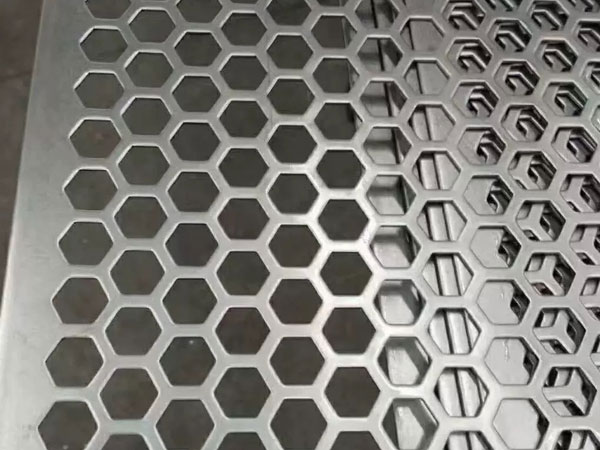
Perforated stainless steel mesh is a metal sheet product—often referred to as a perforated screen plate—manufactured by punching stainless steel sheets (commonly grades such as 304 or 316) using CNC (computer numerical control) punching machines. Its core structural design features include:
· Diverse Hole Patterns: A wide variety of hole shapes are available, including round, square, diamond, hexagonal, oblong, fish-scale, and plum-blossom (floral) patterns. These can be selected based on specific requirements for filtration, ventilation, or decorative purposes.
· Adjustable and Controllable Hole Arrangements: Common configurations include straight-line (aligned) and staggered patterns (such as 60° triangular/plum-blossom or 45° staggered arrangements). In straight-line patterns, the centers of the holes lie on a single line, whereas in staggered patterns, the centers of holes in adjacent rows are offset; the latter provides superior structural strength.
· Broad Specification Range: Sheet thicknesses can range from 0.2 mm to 20 mm, with hole diameters spanning from 0.5 mm to 200 mm. Standard sheet dimensions typically go up to 1.5 m × 5 m.
· High Precision: Utilizing precision molds and CNC equipment, the hole-positioning accuracy can reach **≤±0.015 mm**, with minimum hole diameters as small as 0.2 mm. Post-punching processes—such as deburring and cleaning—are standard, and the material can undergo further fabrication, including bending, rolling, or laser cutting.
· Customizable Materials: Common material grades include 304, 304L, 316, and 316L. Grade 316 stainless steel, which contains molybdenum, offers enhanced performance in highly corrosive environments (such as coastal areas or chemical processing facilities).
Four Key Advantages
1. High Strength and Structural Stability
Perforated stainless steel mesh is formed by punching a solid stainless steel sheet. The spacing between the holes directly influences the material's strength—larger spacing generally results in higher strength. Staggered hole arrangements offer greater structural integrity compared to straight-line patterns. When multiple layers are welded together into a single unit, the filtration apertures remain stable, providing exceptional resistance to deformation. The product features a flat mesh surface and a stable structure, offering excellent tensile strength and wear resistance.
2. Superior Corrosion Resistance
Thanks to the addition of chromium and nickel, the stainless steel material exhibits exceptional corrosion resistance. It can withstand exposure to acids, alkalis, and salts, making it suitable for demanding environments such as oil wells. Furthermore, the apertures do not enlarge due to corrosion, ensuring dimensional stability over long-term use. The product’s resistance to moisture and wear makes it ideal for humid or corrosive industrial settings.
3. Versatile Ventilation, Light Transmission, and Noise Reduction
The perforated structure allows for effective ventilation, light penetration, and water drainage, all while maintaining visibility and airflow. In terms of acoustics, perforated metal panels provide excellent sound absorption; they can reduce noise levels by more than 10 dB compared to standard metal screening panels, making them a common choice for applications such as highway noise barriers and sound-insulating panels for mechanical equipment rooms. By precisely controlling aperture size and spacing, the panels can be tailored for specific functions, such as sound insulation or ventilation and heat dissipation.
4. Processing Flexibility and Aesthetic Appeal
Stainless steel perforated mesh is easy to fabricate and can undergo various processes—including painting, polishing, bending, and rolling—and is simple to install. The surface can be finished with techniques such as brushing, mirror polishing, or shot blasting to achieve diverse visual effects. In architectural design, perforated decorative mesh is used to create unique visual impact; by customizing the shape and size of the holes, designers can produce dynamic plays of light and shadow. It is widely employed in building facades, interior partitions, suspended ceilings, and display shelving, offering a blend of functionality and aesthetic appeal.
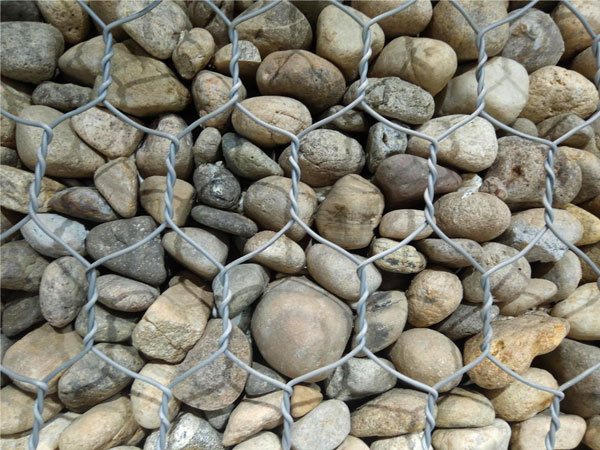 Why Is Low-Carbon Steel Wire Used as the Raw Material for Gabion Meshes?
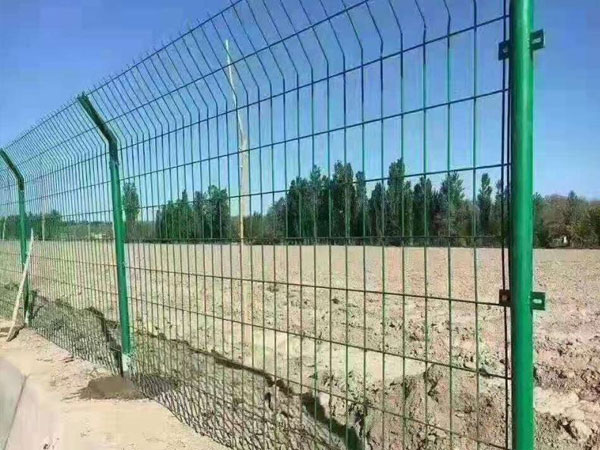 How to Select High-Quality Fencing?
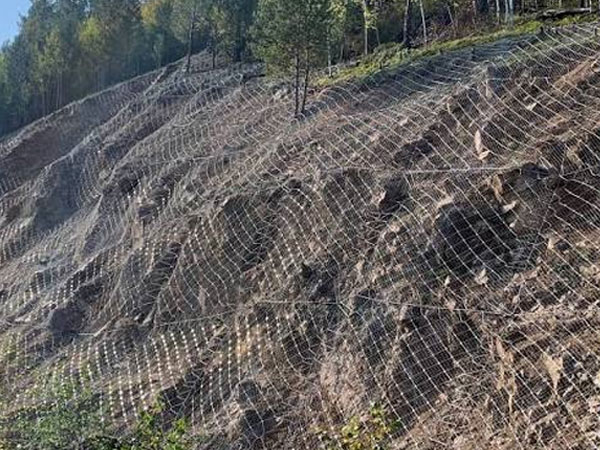 Why are steel wire rope protective nets increasingly being chosen for slope stabilization projects?
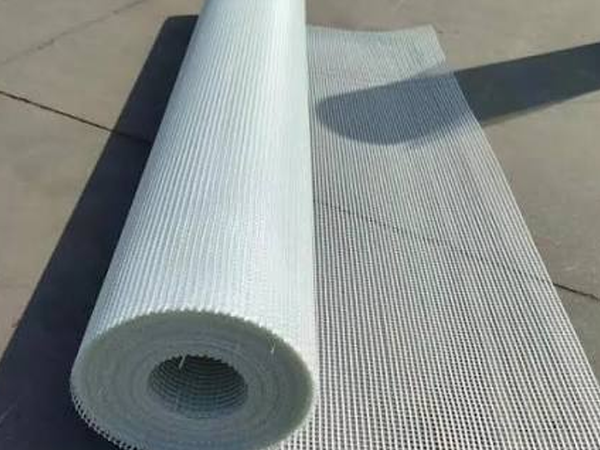 Comprehensive Guide to the Uses of Fiberglass Mesh
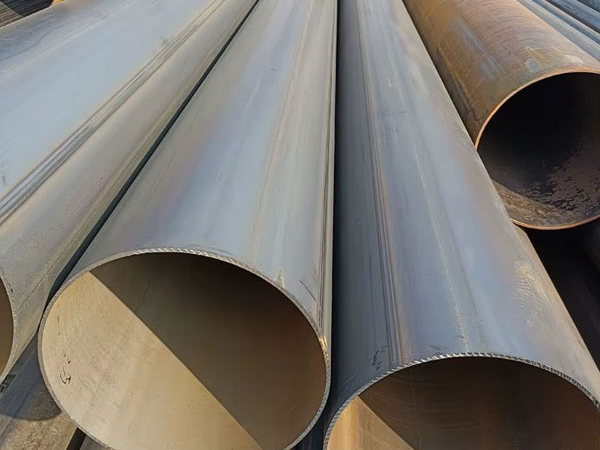 What is the difference between seamless steel pipes and welded steel pipes?
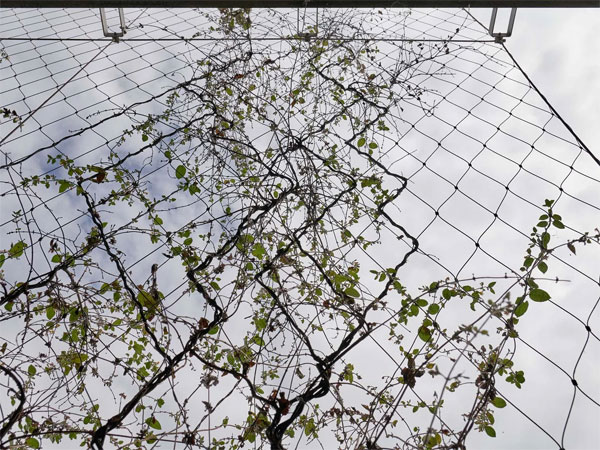 If the wire diameter of a stainless steel rope mesh is reduced, by how much will its impact resistance and load-bearing capacity decrease?
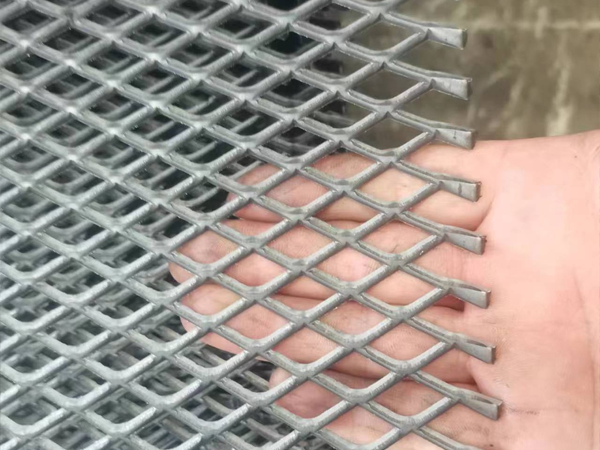 Advantages and Application Scenarios of Expanded Metal Mesh
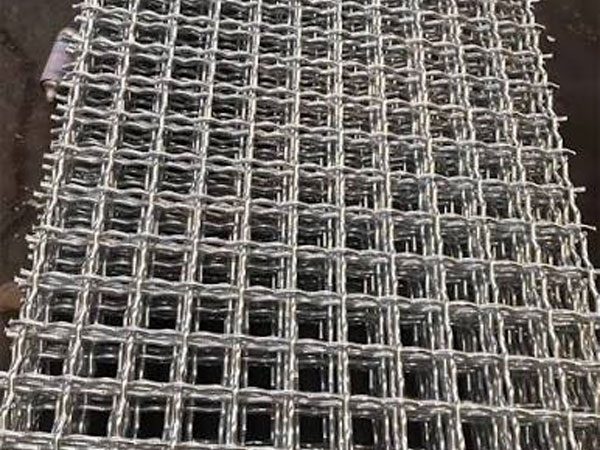 Why Stainless Steel Mining Screens Rust and How to Treat Them After Rusting
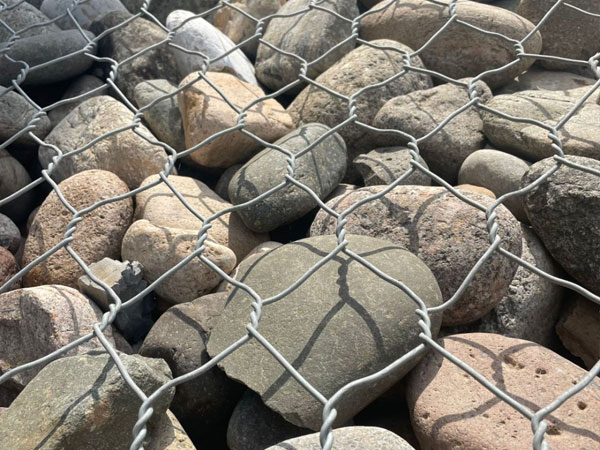 Gabion protection technology
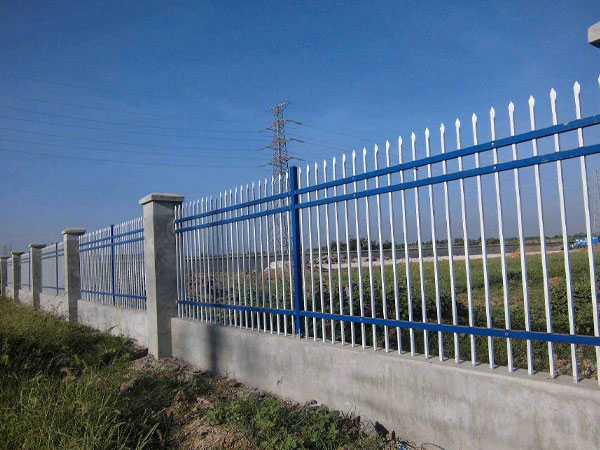 What factors should be considered when selecting zinc-steel fencing?
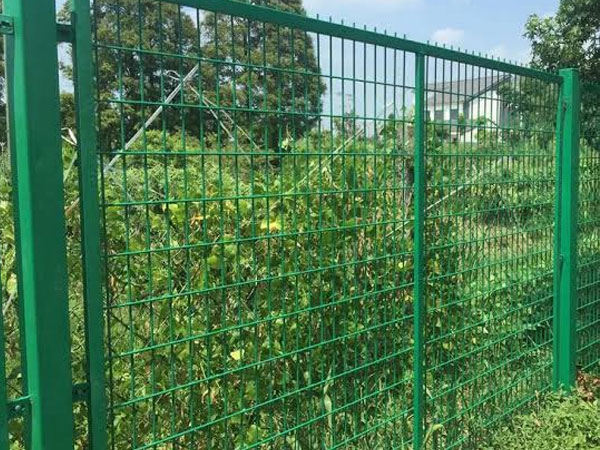 What are the anti-corrosion processes for framed wire mesh fencing?
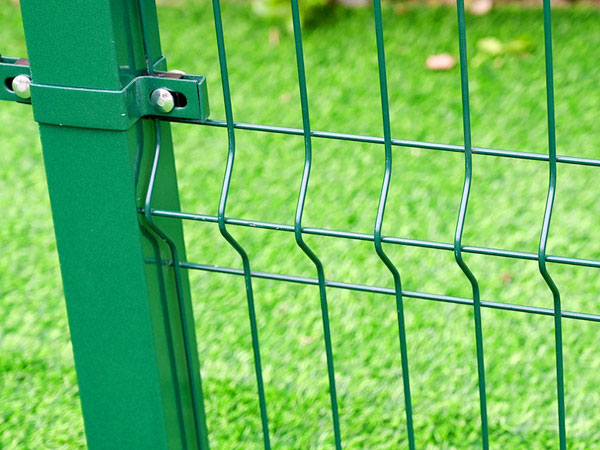 Why are bent-profile guardrails the preferred choice for municipal and industrial park perimeter protection?
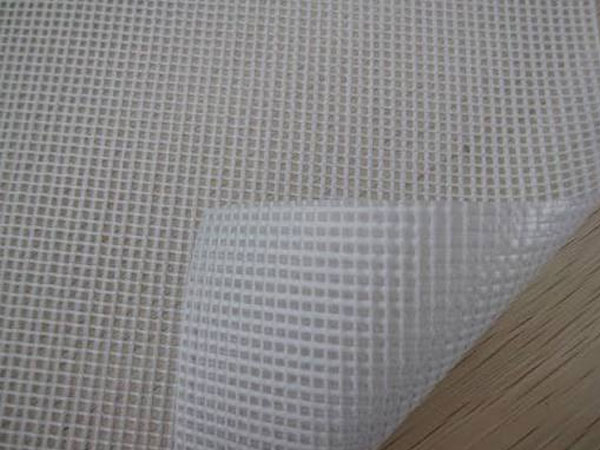 Detailed Procedure for Installing External Wall Insulation Mesh
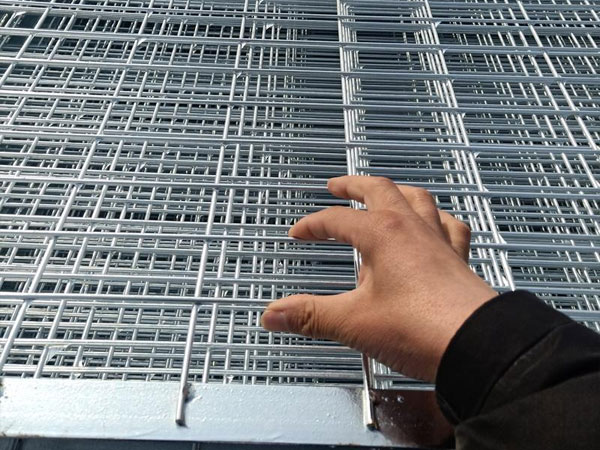 What role does hot-dip galvanizing technology play in guardrail products?
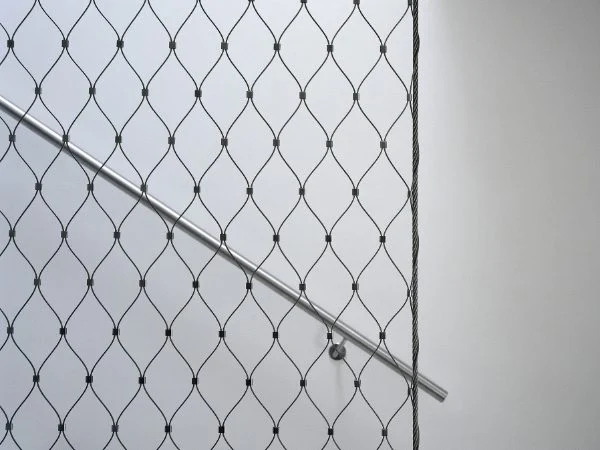 When it comes to balcony safety, it is worth learning more about stainless steel cable mesh fall-prevention netting.
 Understanding the Multifaceted Engineering Value of Stainless Steel Rope Mesh
 How to determine whether manufactured welded wire mesh meets quality standards
 Why is mesh used for wall plastering?
 Four simple steps to teach you how to install wall corner protectors
 How to make the mesh fabric adhere more firmly during external wall insulation?