
Comprehensive Guide to the Uses of Fiberglass Mesh
2026-10-20
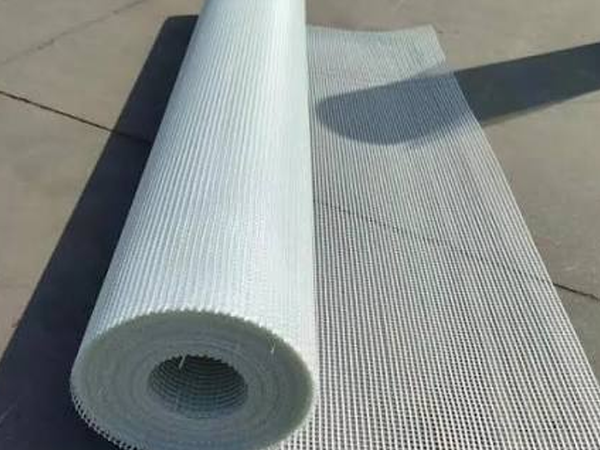
Fiberglass mesh is a versatile auxiliary material used across a wide range of applications—including residential and commercial renovations, exterior wall insulation, and the refurbishment of older properties—to effectively prevent wall cracking. Many contractors know that mesh should be applied, but they often lack clarity on exactly where it is required; this leads to omissions in critical areas, resulting in recurring cracks later on. Below is a detailed breakdown of the essential scenarios where fiberglass mesh must be installed.
First, full-coverage application for interior wall putty. In modern high-end renovations and the refurbishment of older homes, the underlying wall substrate may be loose or subject to uneven settlement. Applying mesh across the entire surface helps bind the putty layer together, preventing widespread fine cracking or "crazing." This technique also enhances the overall flatness and texture of the walls and is considered a standard practice in high-end interior finishing.
Second, exterior wall insulation and rendering. Exterior insulation layers are lightweight and highly flexible, making them prone to cracking due to temperature fluctuations. In these cases, alkali-resistant mesh must be applied over the entire surface to reinforce the insulation layer, prevent water seepage, cracking, or detachment—a mandatory requirement for the inspection and acceptance of exterior insulation systems.
Third, reinforcement at wall joints. Structural cracks frequently occur at junctions where materials with different shrinkage rates meet—such as the interface between brickwork and concrete beams or columns, connections between new and old walls, joints in gypsum board, or the transition points between ceilings and walls. Applying mesh in these areas effectively buffers stress and eliminates the common problem of cracking at joints.
Fourth, areas involving repairs or patches. Locations such as backfilled utility chases (for plumbing or electrical work), patched holes, or areas where the surface has been leveled are highly susceptible to cracking due to poor bonding between new and old mortar. In these instances, mesh must be applied over the repaired area before the final finish coat to ensure the patch remains stable and crack-free. Additionally, mesh reinforcement is highly recommended for surfaces such as chimney flues, lightweight partition walls, and the plastered faces of shear walls.
Fiberglass mesh offers a broad range of applications, ease of installation, and excellent cost-effectiveness. Whether for residential renovations, commercial projects, or exterior insulation work, the proper application of mesh significantly reduces the need for wall repairs, ultimately enhancing both the quality and the longevity of the construction or renovation project.
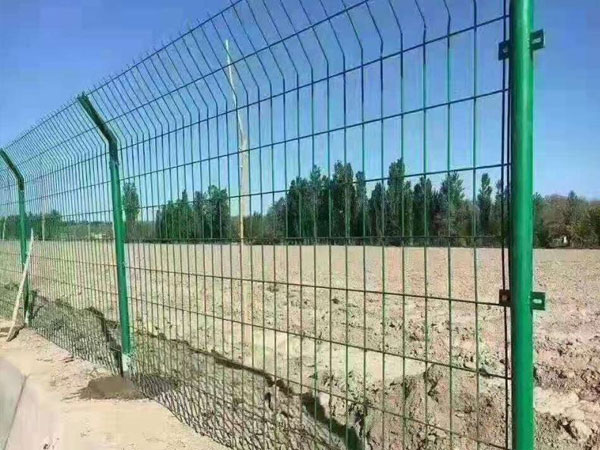 How to Select High-Quality Fencing?
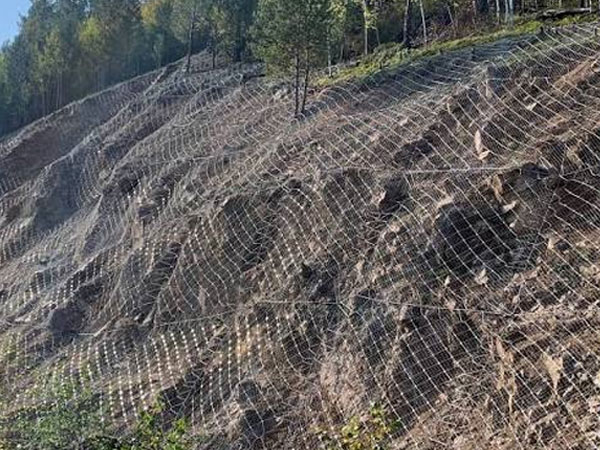 Why are steel wire rope protective nets increasingly being chosen for slope stabilization projects?
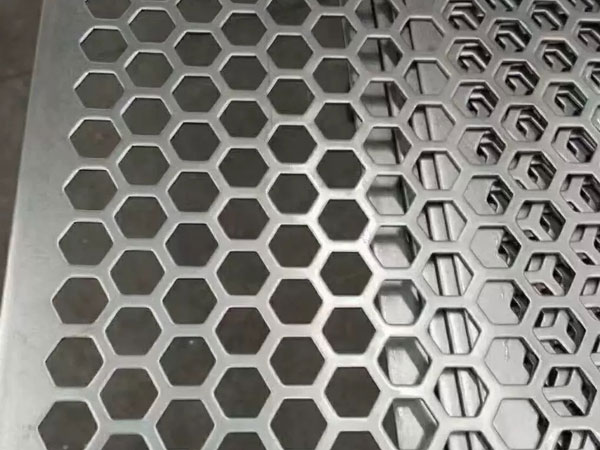 Structural Design Features of Perforated Stainless Steel Mesh
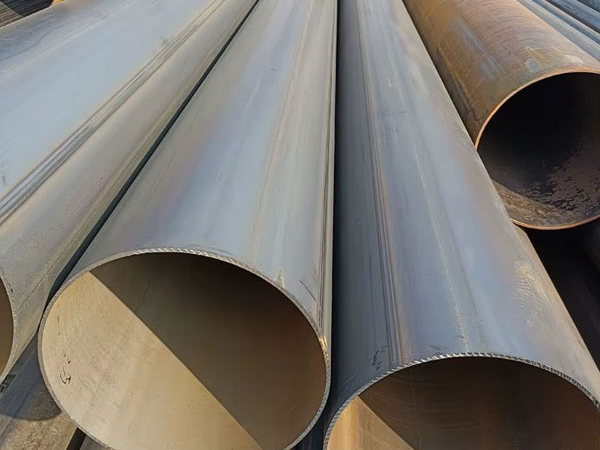 What is the difference between seamless steel pipes and welded steel pipes?
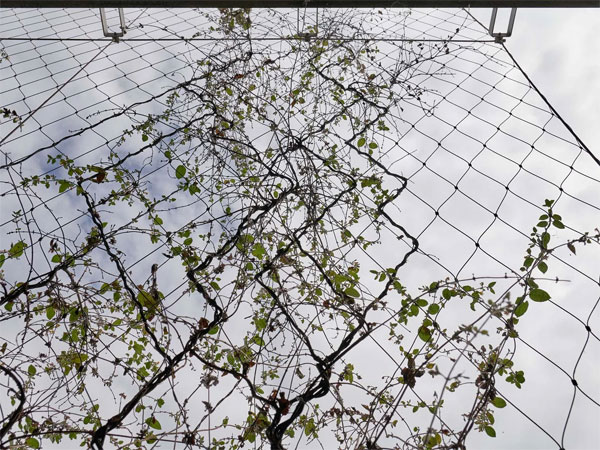 If the wire diameter of a stainless steel rope mesh is reduced, by how much will its impact resistance and load-bearing capacity decrease?
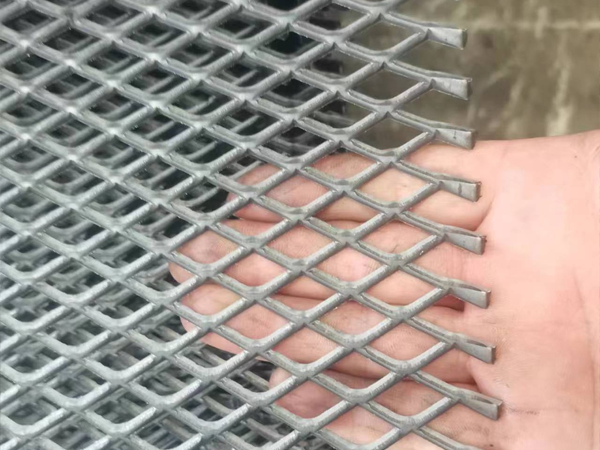 Advantages and Application Scenarios of Expanded Metal Mesh
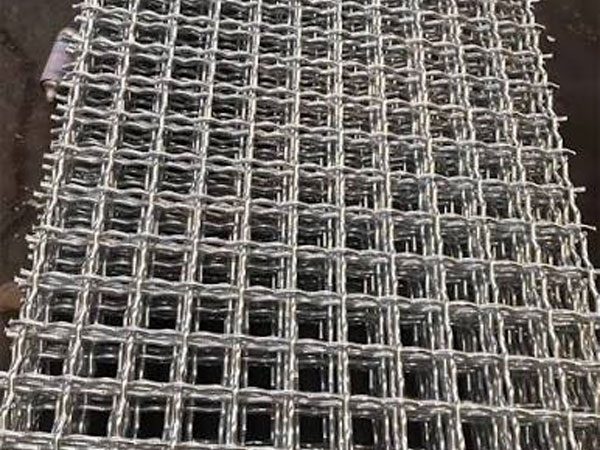 Why Stainless Steel Mining Screens Rust and How to Treat Them After Rusting
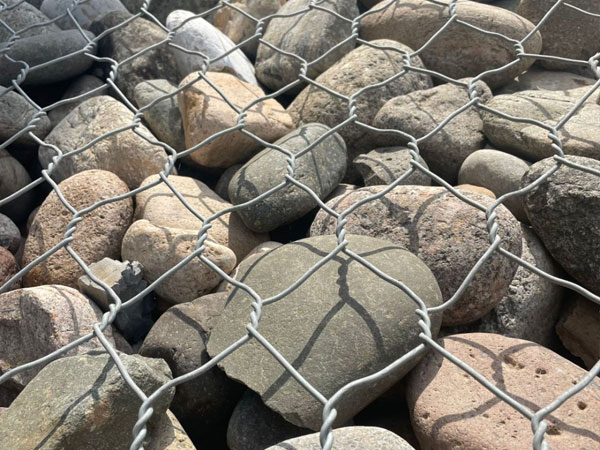 Gabion protection technology
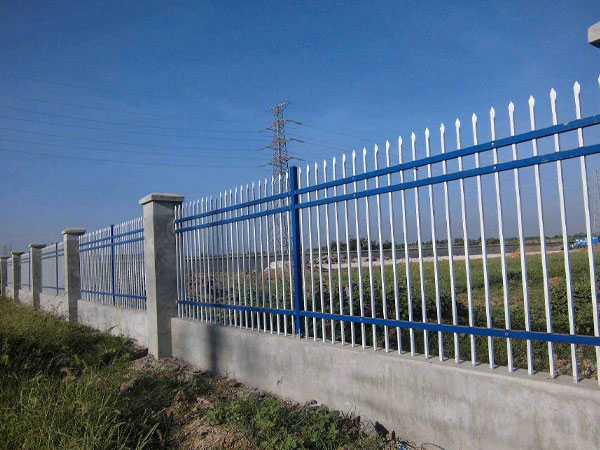 What factors should be considered when selecting zinc-steel fencing?
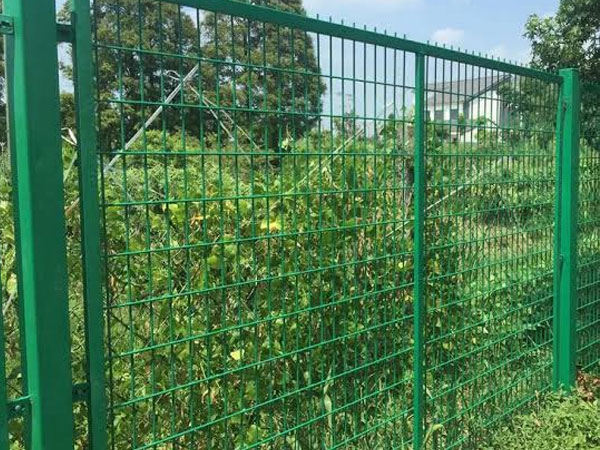 What are the anti-corrosion processes for framed wire mesh fencing?
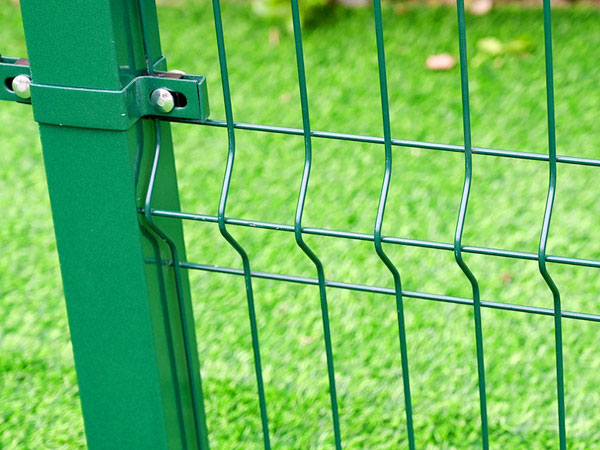 Why are bent-profile guardrails the preferred choice for municipal and industrial park perimeter protection?
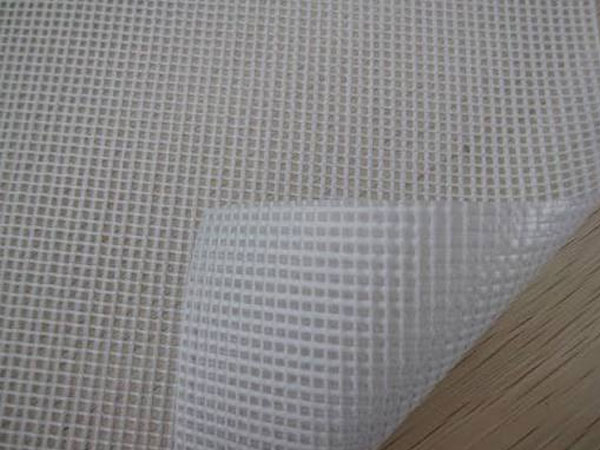 Detailed Procedure for Installing External Wall Insulation Mesh
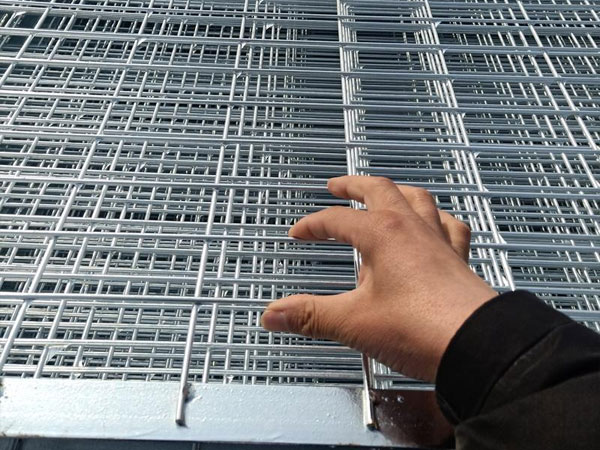 What role does hot-dip galvanizing technology play in guardrail products?
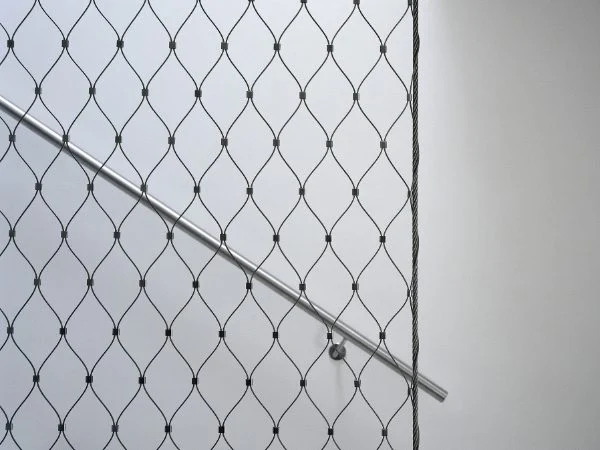 When it comes to balcony safety, it is worth learning more about stainless steel cable mesh fall-prevention netting.
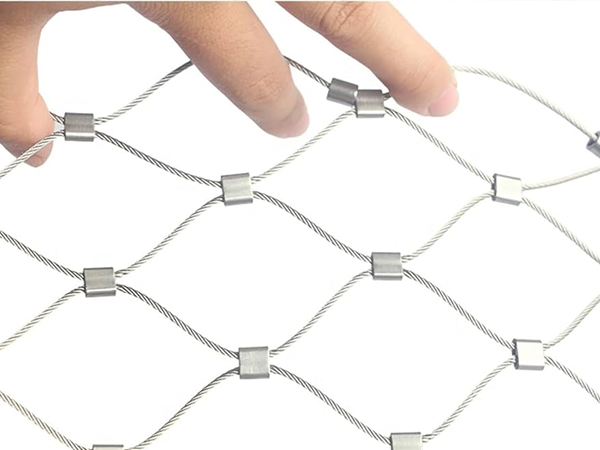 Understanding the Multifaceted Engineering Value of Stainless Steel Rope Mesh
 How to determine whether manufactured welded wire mesh meets quality standards
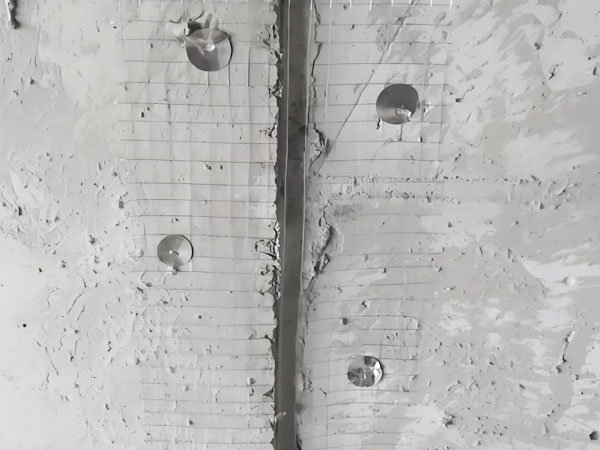 Why is mesh used for wall plastering?
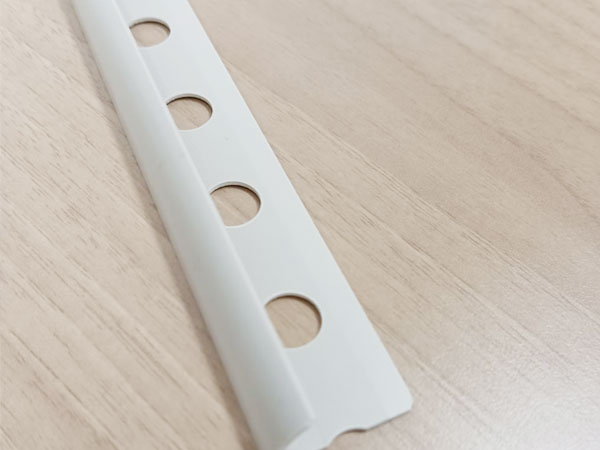 Four simple steps to teach you how to install wall corner protectors
 How to make the mesh fabric adhere more firmly during external wall insulation?
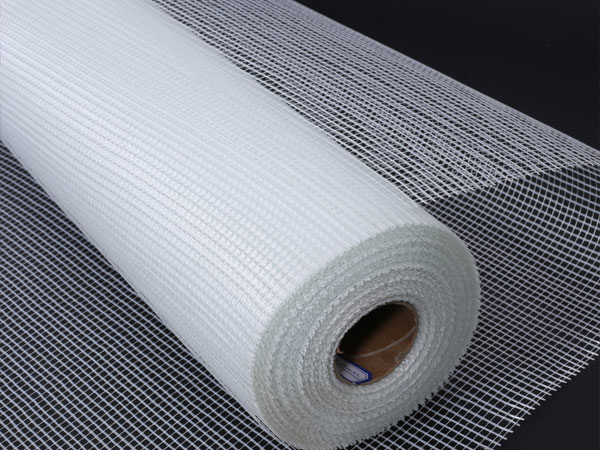 4 Practical Tips for Buying Fiberglass Mesh