
What is the difference between seamless steel pipes and welded steel pipes?
2026-10-19
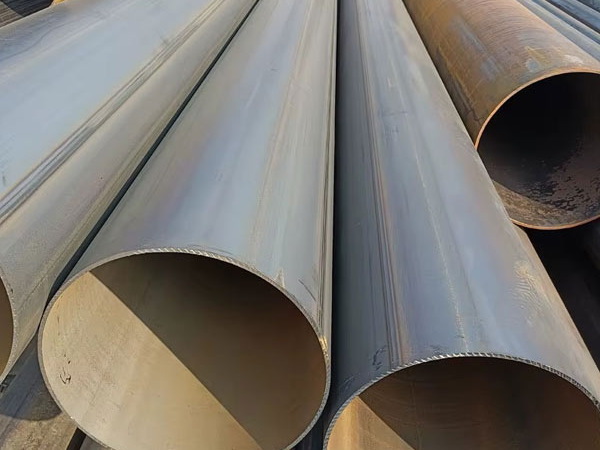
Many people are likely still unclear about the differences between seamless steel pipes and welded steel pipes. Let’s break them down today.
1. In terms of appearance, the difference is that welded steel pipes have a weld bead (seam) on their inner surface, whereas seamless pipes do not.
2. Seamless steel pipes can withstand higher pressure. Welded steel pipes typically handle pressures around 10 MPa, though some modern welded pipes undergo processes to make them "seamless-like."
3. Seamless steel pipes are formed in a single operation, often through cold rolling. Welded pipes, by contrast, are manufactured by welding—typically using either a spiral (helical) weld or a straight (longitudinal) weld. Smaller-diameter welded pipes usually feature straight seams, while larger-diameter ones often use spiral seams. While the welding methods for both are similar, straight-seam pipes inevitably contain numerous "T-junction" welds (where the longitudinal weld meets a circumferential weld), which significantly increases the risk of welding defects. Furthermore, the weld metal at these T-junctions is often subject to triaxial stress, raising the likelihood of crack formation. In terms of performance, seamless pipes are generally superior—though, naturally, they also come at a higher price.
4. Seamless steel pipes are hollow, elongated steel products. They are widely used as conduits for transporting fluids—such as crude oil, natural gas, water, liquefied gas, or steam. Because they offer a high strength-to-weight ratio—providing excellent resistance to bending and torsion—they are also frequently used to manufacture mechanical components and structural engineering elements. Additionally, they are commonly employed in the production of various types of weaponry, including gun barrels and ammunition casings.
5. The primary difference lies in the forming process. Standard steel pipes—such as those used for water supply—are typically made by bending flat steel plates and welding them together; you can usually see a weld seam running along them. Larger-diameter pipes often feature a spiral weld.
In contrast, seamless steel pipes are generally produced by extruding molten steel through an annular die, followed by processes like drawing or rolling, which results in a pipe with no weld seams. In terms of their characteristics—specifically their capacity to withstand pressure—these pipes offer a significant improvement over standard steel pipes, which is why they are frequently used in high-pressure equipment, such as for piping connections in hydraulic systems.
Conversely, the welded joints of standard steel pipes represent a weak point; the quality of these welds is a critical factor affecting the overall performance of the pipe. People who have lived in northern regions are often familiar with water or heating pipes bursting during the winter—and such ruptures almost invariably occur at the welded joints.
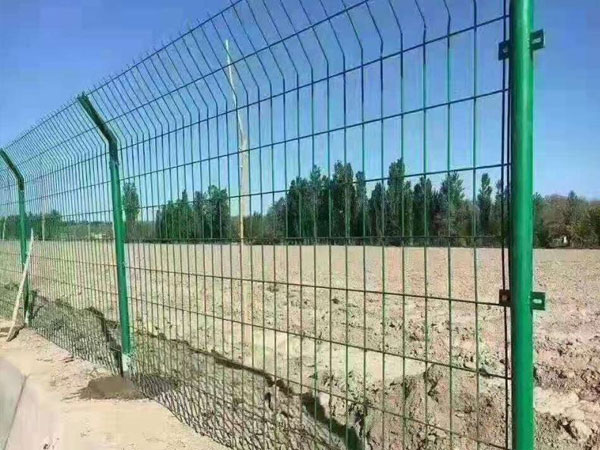 How to Select High-Quality Fencing?
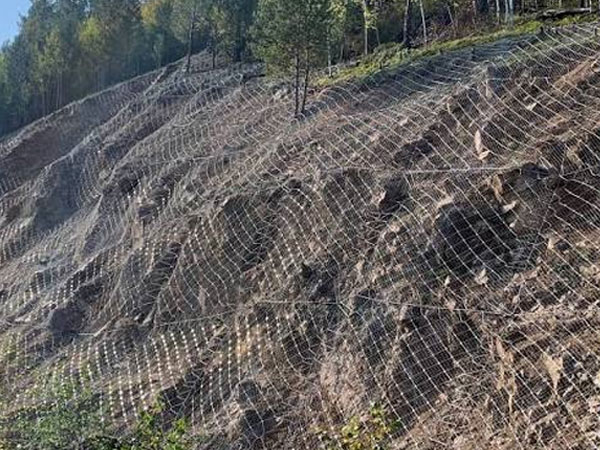 Why are steel wire rope protective nets increasingly being chosen for slope stabilization projects?
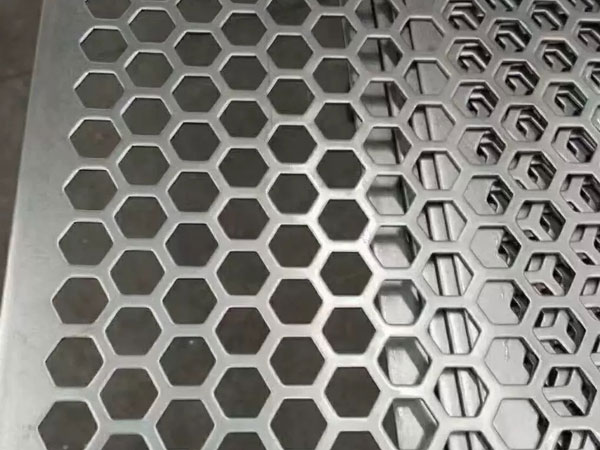 Structural Design Features of Perforated Stainless Steel Mesh
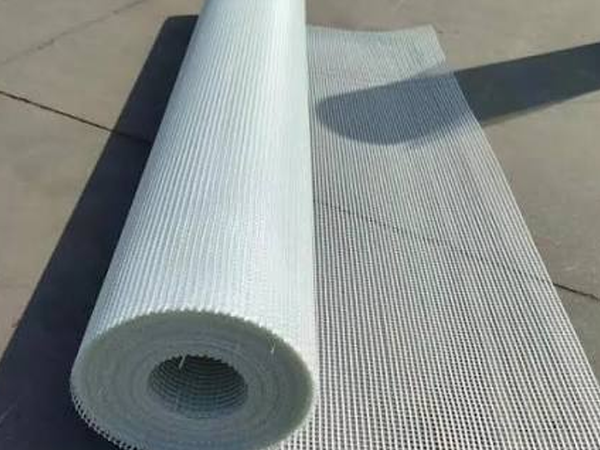 Comprehensive Guide to the Uses of Fiberglass Mesh
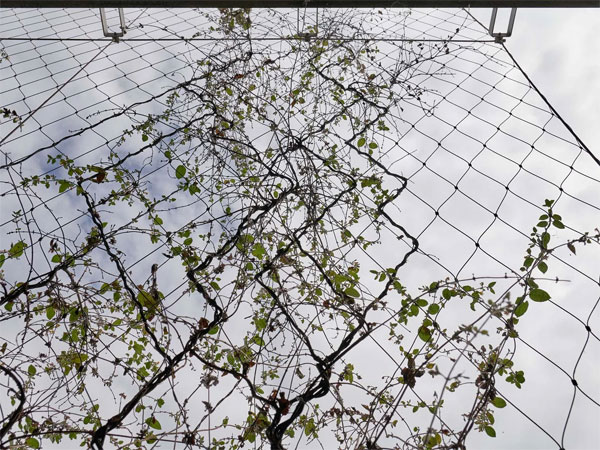 If the wire diameter of a stainless steel rope mesh is reduced, by how much will its impact resistance and load-bearing capacity decrease?
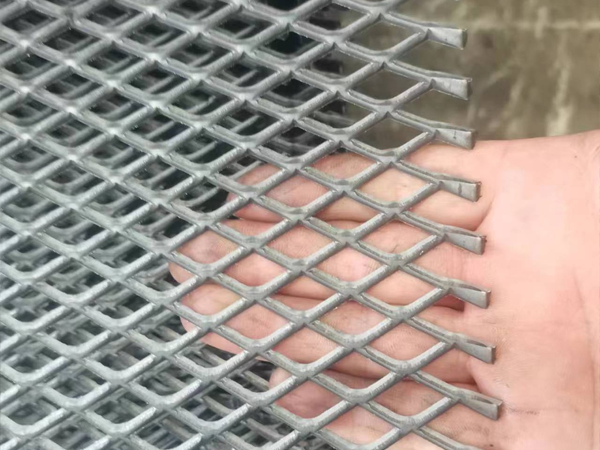 Advantages and Application Scenarios of Expanded Metal Mesh
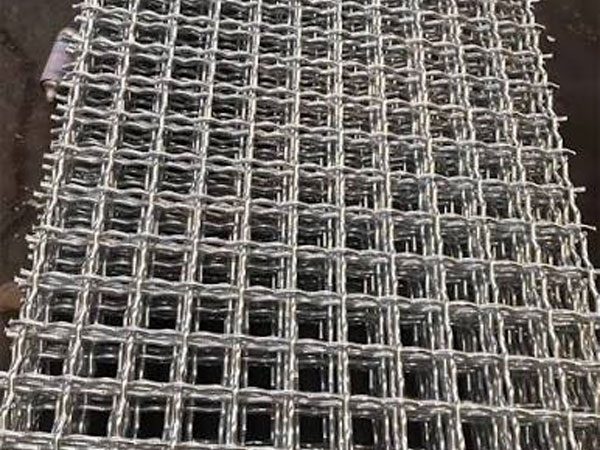 Why Stainless Steel Mining Screens Rust and How to Treat Them After Rusting
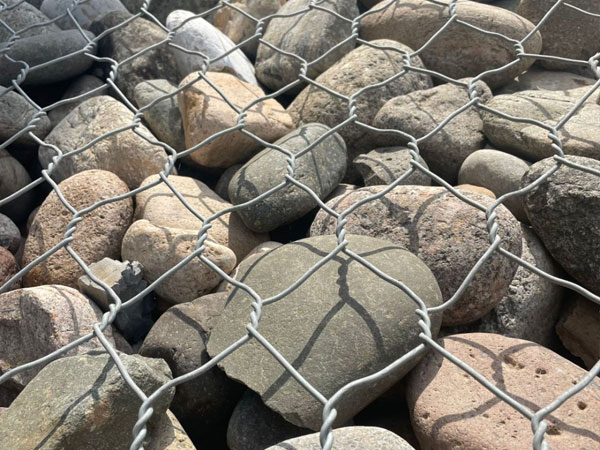 Gabion protection technology
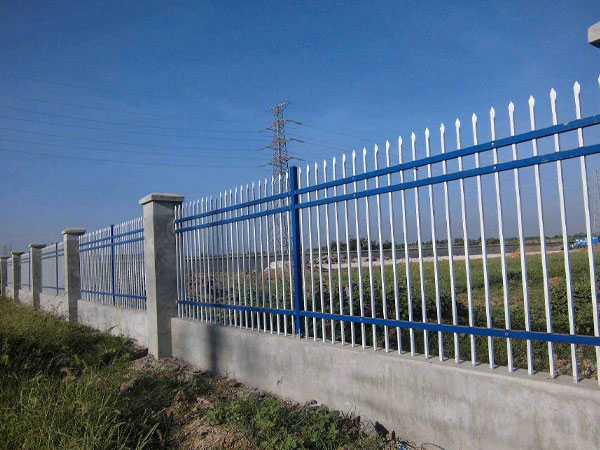 What factors should be considered when selecting zinc-steel fencing?
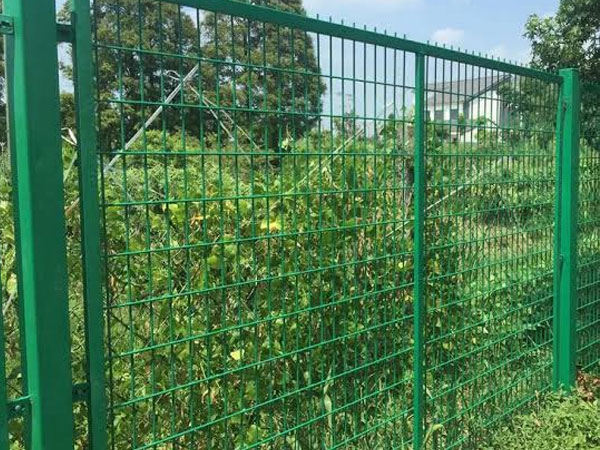 What are the anti-corrosion processes for framed wire mesh fencing?
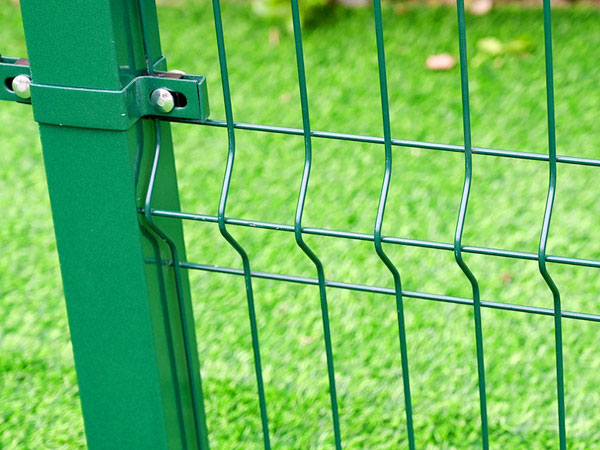 Why are bent-profile guardrails the preferred choice for municipal and industrial park perimeter protection?
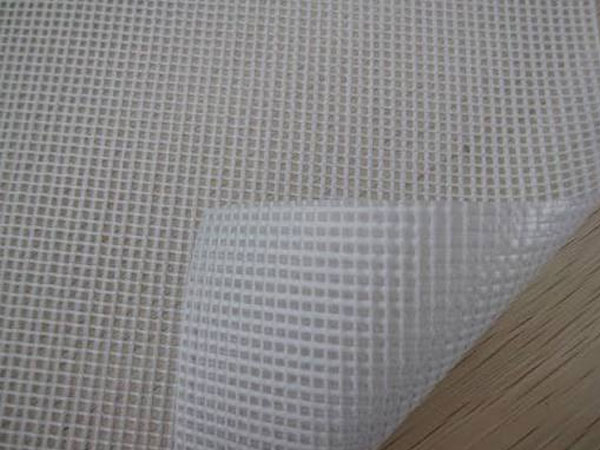 Detailed Procedure for Installing External Wall Insulation Mesh
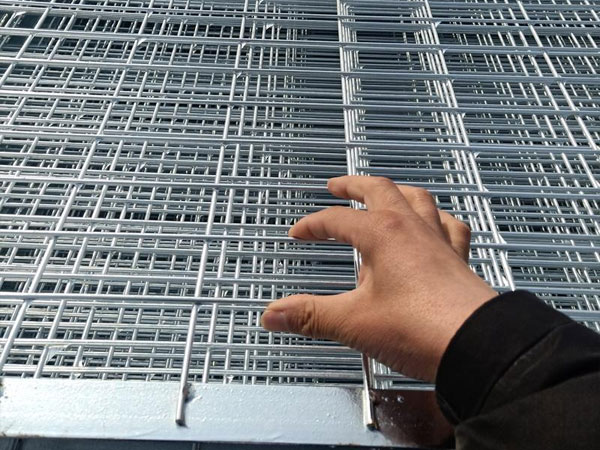 What role does hot-dip galvanizing technology play in guardrail products?
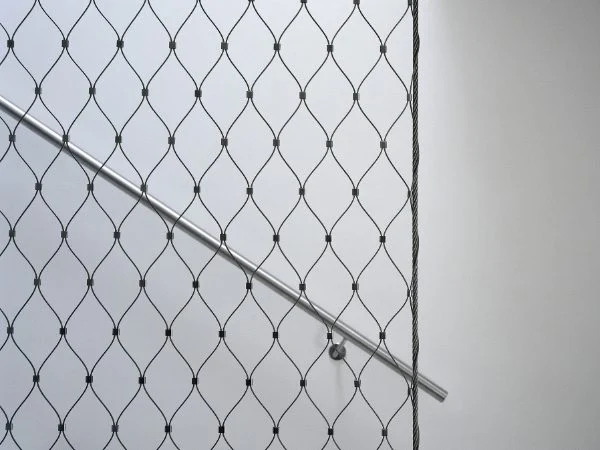 When it comes to balcony safety, it is worth learning more about stainless steel cable mesh fall-prevention netting.
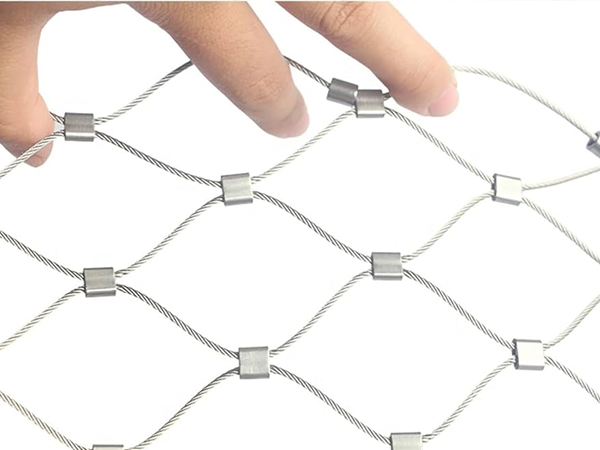 Understanding the Multifaceted Engineering Value of Stainless Steel Rope Mesh
 How to determine whether manufactured welded wire mesh meets quality standards
 Why is mesh used for wall plastering?
 Four simple steps to teach you how to install wall corner protectors
 How to make the mesh fabric adhere more firmly during external wall insulation?
 4 Practical Tips for Buying Fiberglass Mesh