Why are steel wire rope protective nets increasingly being chosen for slope stabilization projects?
2026-10-27
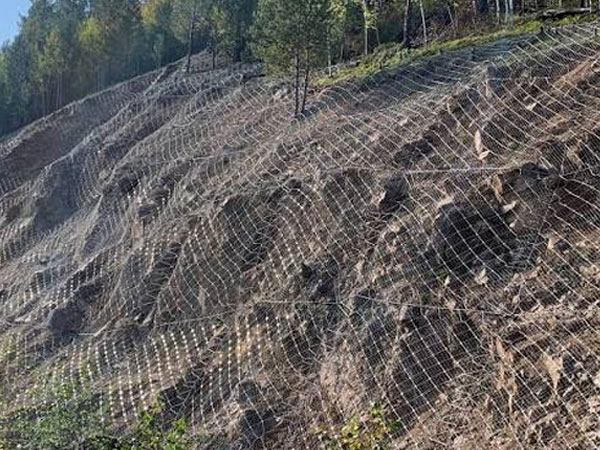
In various types of engineering construction, slope stabilization is a task of critical importance, yet one that presents significant challenges. Unstable slopes can trigger geological disasters such as landslides and debris flows, posing a serious threat to the safety of lives and property, as well as the stable operation of infrastructure. In recent years, wire-rope protective mesh has gained widespread adoption in the field of slope stabilization, becoming a key solution for an increasing number of projects.
First, wire-rope protective mesh offers exceptional flexibility. Unlike rigid, traditional protective structures, it is designed to distribute energy evenly across its flexible framework when subjected to external impact. Should rocks roll down a slope or a minor landslide occur, the mesh acts like a massive, elastic "safety net," instantly catching the falling debris. Through its own deformation, it effectively absorbs and buffers the impact energy, significantly mitigating damage to the protected area. For instance, in slope stabilization projects along mountain highways, such mesh has successfully intercepted large volumes of falling rock, ensuring that roads remain clear and traffic remains safe. This characteristic allows it to perform effectively across a wide range of complex terrains and varying scales of geological hazards.
Second, the installation of wire-rope protective mesh is simple and efficient, resulting in substantial savings in both time and costs. Compared to traditional structures—such as reinforced concrete retaining walls—this mesh does not require extensive foundation work or heavy machinery. Its components are standardized and manufactured in a factory; once transported to the site, they can be installed rapidly with minimal manual labor and basic tools. Generally, for a slope stabilization project of a given area, using wire-rope protective mesh can reduce installation time by more than half compared to traditional methods. This not only lowers the requirements for labor and material resources but also accelerates project completion, shortens the stabilization cycle, and reduces potential losses that might otherwise arise from slope-related disasters.
Furthermore, wire-rope protective mesh demonstrates excellent adaptability. It can be flexibly adjusted and installed to suit various terrains and slope conditions—whether on steep hillsides, in rugged, gully-riddled valleys, or along irregularly shaped slopes, an appropriate installation method can always be found. Furthermore, wire rope protective netting has minimal impact on the surrounding environment; its installation does not require extensive destruction of vegetation or the natural landscape. In an era that prioritizes ecological conservation, this advantage is particularly significant. The netting integrates well with the natural surroundings, providing essential protection without causing excessive ecological damage. For instance, in slope stabilization projects within nature reserves, wire rope protective netting ensures slope stability while offering maximum protection to the local ecosystem.
Additionally, the durability of wire rope protective netting is a key factor in its popularity. Typically constructed from high-strength wire ropes and treated with specialized anti-corrosion coatings, it is designed for long-term use in harsh natural environments. It remains resilient against exposure to wind, sun, rain, snow, and even acidic or alkaline corrosion, with its structural integrity and performance largely unaffected. In most cases, such netting can last for decades, significantly reducing the need for future maintenance or replacement. This makes it a highly cost-effective solution for long-term infrastructure projects, such as slope stabilization for highways and railways.
Finally, in terms of economic efficiency, wire rope protective netting offers a lower total cost. While the initial procurement cost may be comparable to that of traditional protective materials, the savings gained from easier installation, reduced long-term maintenance, and an extended service life mean that the total lifecycle cost is significantly lower. Moreover, by effectively mitigating the damage that geological disasters can inflict on infrastructure and the surrounding environment, it helps prevent the massive economic losses that such disasters might otherwise cause. In the long run, choosing wire rope protective netting for slope stabilization is a highly cost-effective and advantageous solution.
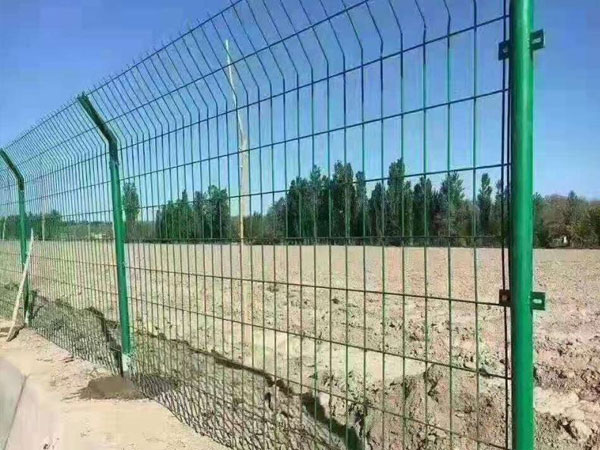 How to Select High-Quality Fencing?
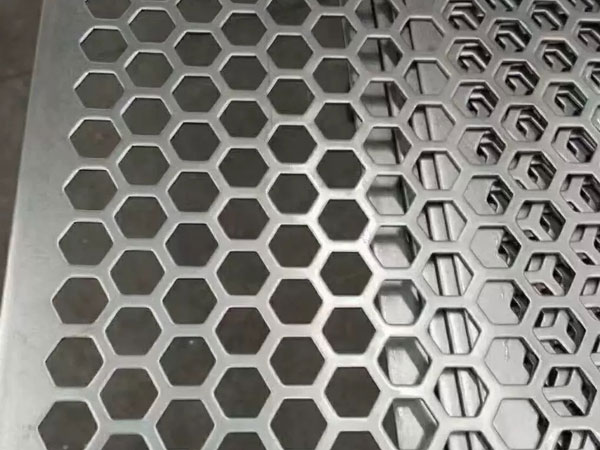 Structural Design Features of Perforated Stainless Steel Mesh
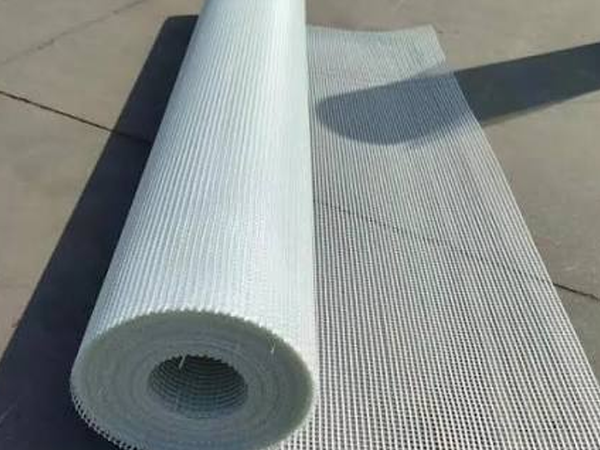 Comprehensive Guide to the Uses of Fiberglass Mesh
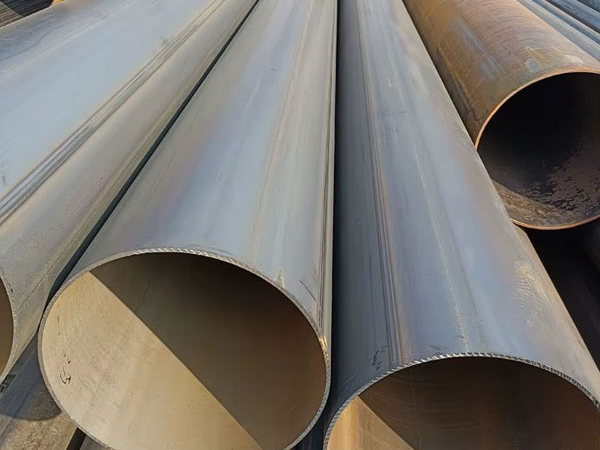 What is the difference between seamless steel pipes and welded steel pipes?
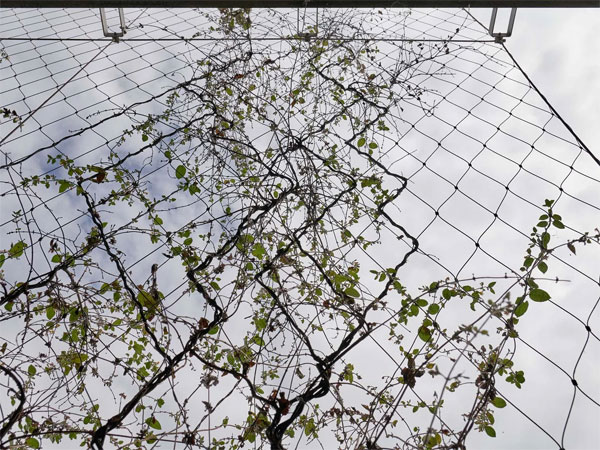 If the wire diameter of a stainless steel rope mesh is reduced, by how much will its impact resistance and load-bearing capacity decrease?
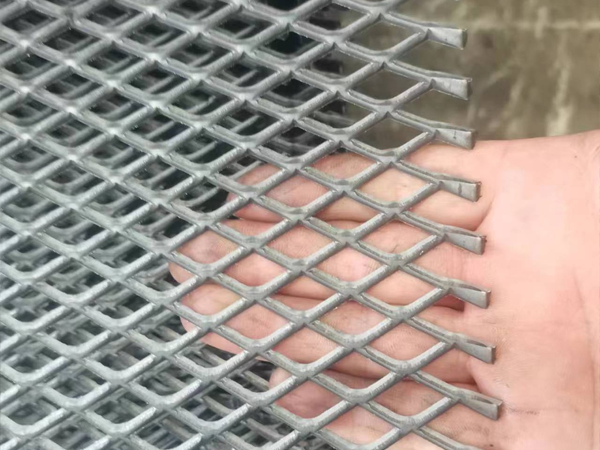 Advantages and Application Scenarios of Expanded Metal Mesh
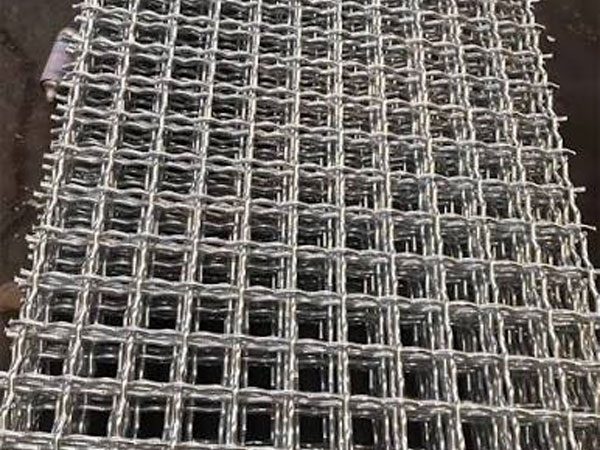 Why Stainless Steel Mining Screens Rust and How to Treat Them After Rusting
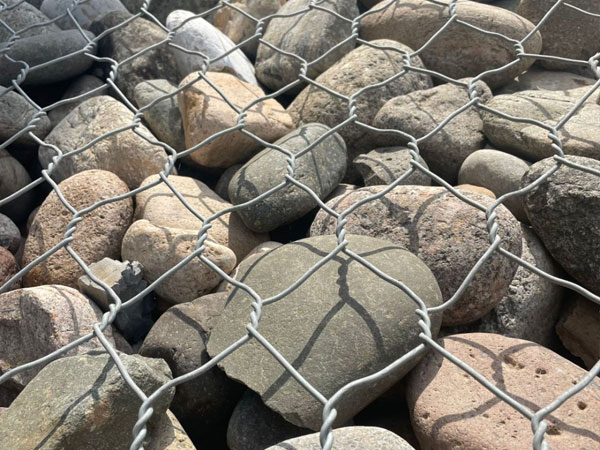 Gabion protection technology
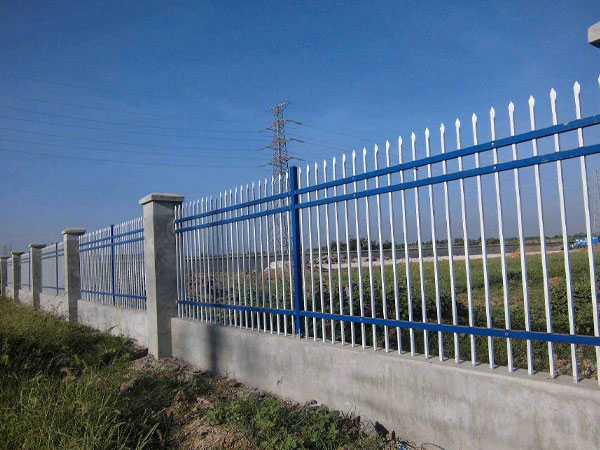 What factors should be considered when selecting zinc-steel fencing?
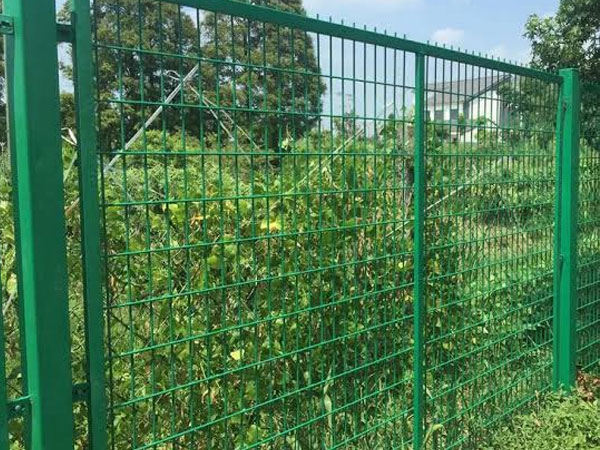 What are the anti-corrosion processes for framed wire mesh fencing?
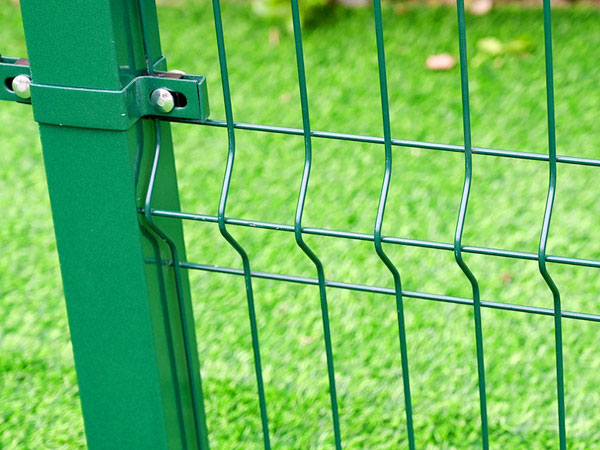 Why are bent-profile guardrails the preferred choice for municipal and industrial park perimeter protection?
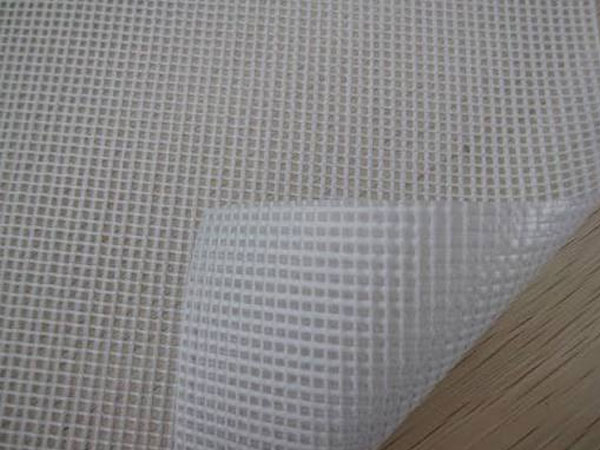 Detailed Procedure for Installing External Wall Insulation Mesh
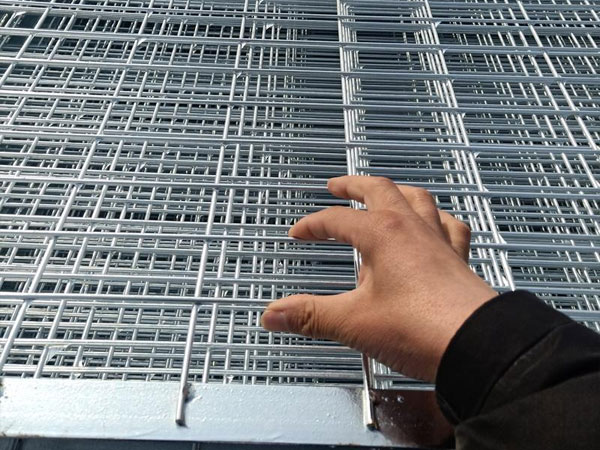 What role does hot-dip galvanizing technology play in guardrail products?
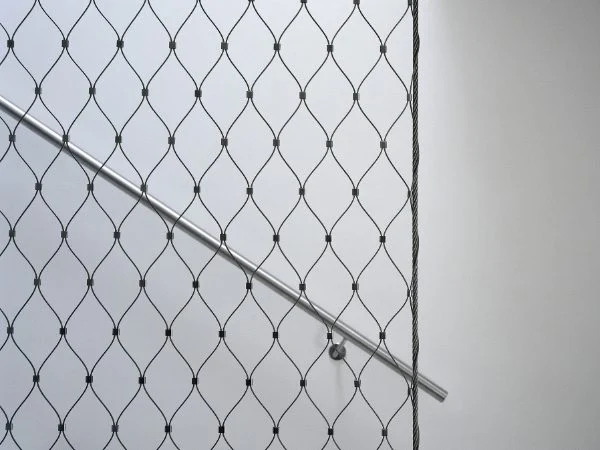 When it comes to balcony safety, it is worth learning more about stainless steel cable mesh fall-prevention netting.
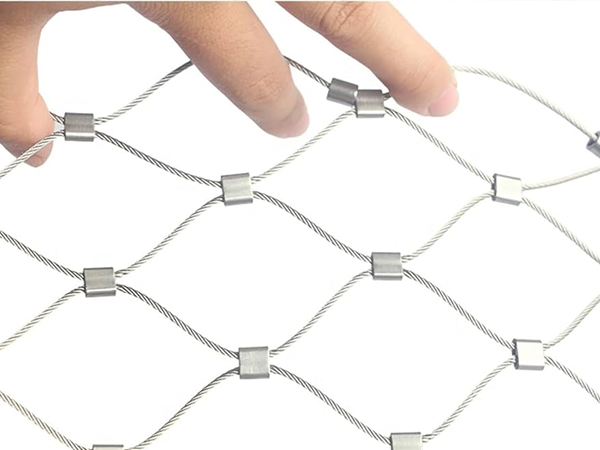 Understanding the Multifaceted Engineering Value of Stainless Steel Rope Mesh
 How to determine whether manufactured welded wire mesh meets quality standards
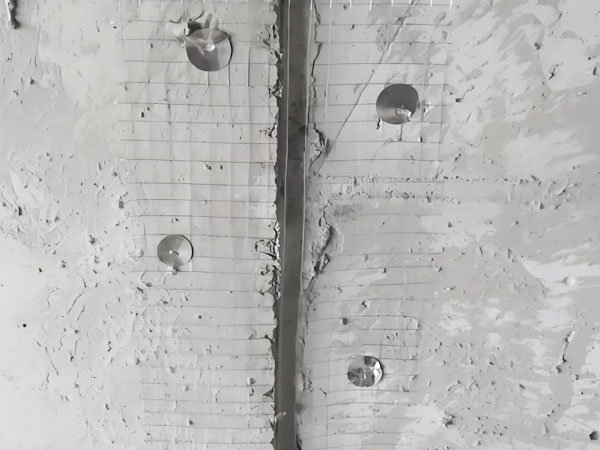 Why is mesh used for wall plastering?
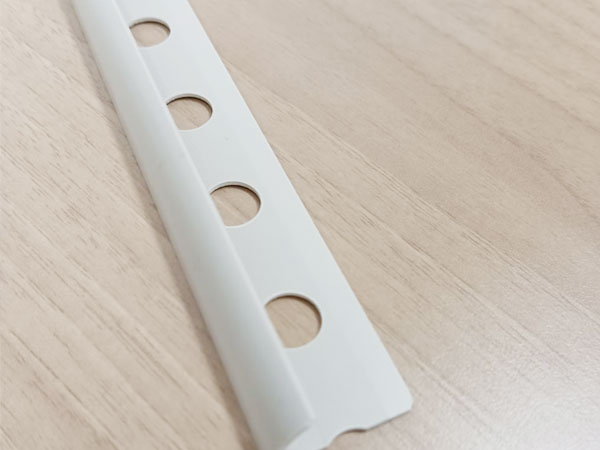 Four simple steps to teach you how to install wall corner protectors
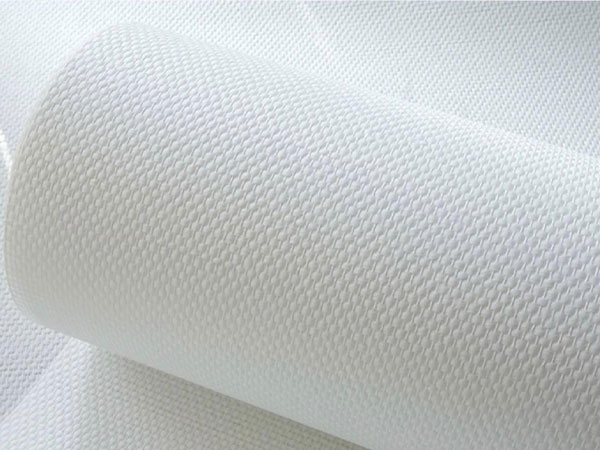 How to make the mesh fabric adhere more firmly during external wall insulation?
 4 Practical Tips for Buying Fiberglass Mesh