
Why Is Low-Carbon Steel Wire Used as the Raw Material for Gabion Meshes?
2026-10-29
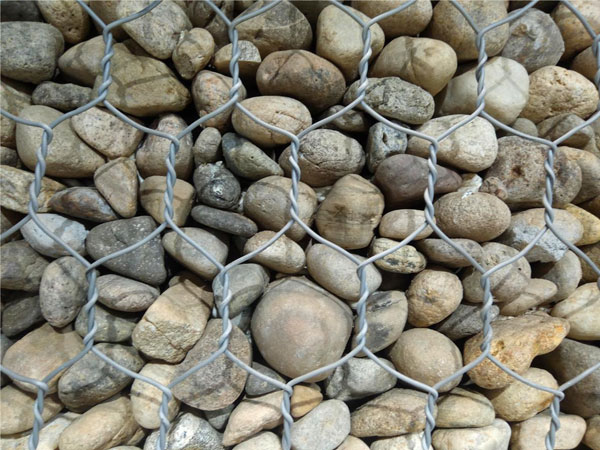
Gabion meshes are manufactured using low-carbon steel wire—a versatile material that offers distinct advantages in various applications.
One of the primary benefits of gabion meshes lies in their safety performance. When low-carbon steel wire is used as a key structural component, it provides excellent flexibility, effectively meeting specific project requirements and delivering superior results.
Low-carbon steel wire is an ideal choice for gabion meshes, which function as ecological protective structures. These structures—essentially reinforced, durable walls—are highly robust. In their finished form, these low-carbon steel wire products are exceptionally tough, reliably meeting user needs and ensuring effective performance.
Gabion meshes offer strong ecological benefits. Because the gaps between the stones are relatively large, a standard protective structure might otherwise lead to a barren environment, hindering plant growth. To address this, the meshes can be covered or filled with soil. This soil—ideally loose and rich in nutrients—supports microorganisms and other organisms, fostering the natural growth cycle of perennial herbaceous plants.
Gabion meshes also exhibit excellent impact resistance, making them well-suited for slope protection or retaining wall projects. According to testing, the impact resistance coefficient of gabion meshes is more than double that of conventional protective structures. In other types of protection, the force of water flow can cause internal stones to shift, potentially compromising the entire structure. In contrast, if stones within a gabion mesh shift, the structure itself readjusts to reach a new state of equilibrium, ensuring the overall integrity remains intact.
As a steel-wire product, gabion meshes are designed for long-term use. Since they are typically installed outdoors and may be exposed to harsh weather conditions, they can be treated with anti-rust agents or similar coatings to provide protection against moisture, corrosion, and rust.
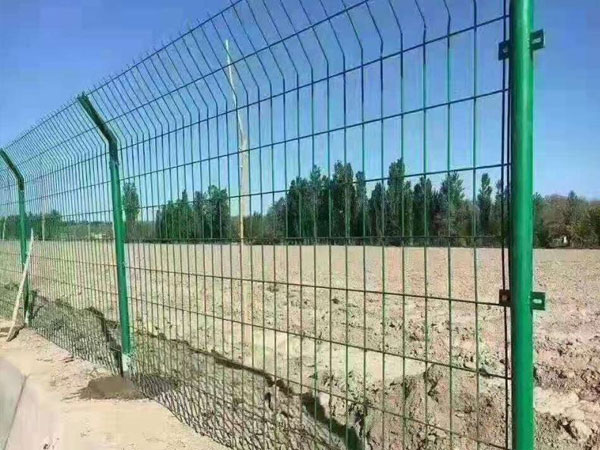 How to Select High-Quality Fencing?
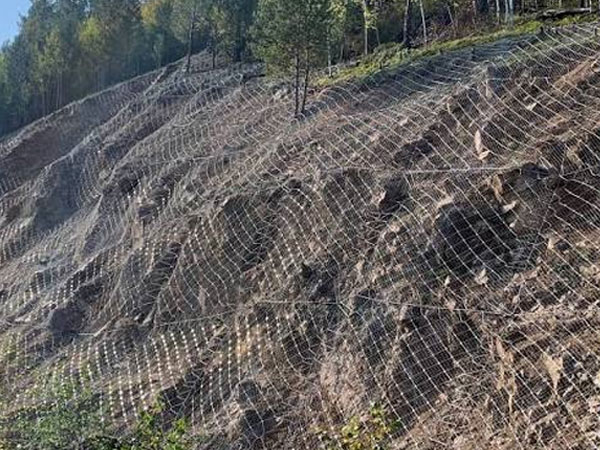 Why are steel wire rope protective nets increasingly being chosen for slope stabilization projects?
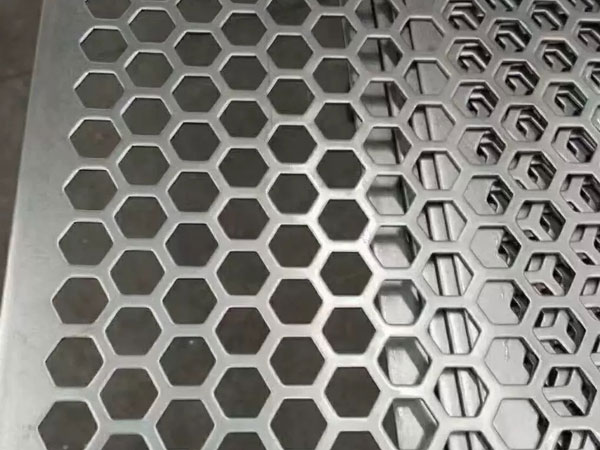 Structural Design Features of Perforated Stainless Steel Mesh
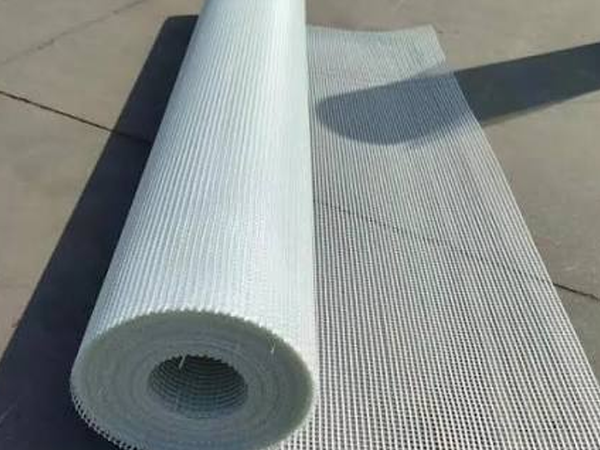 Comprehensive Guide to the Uses of Fiberglass Mesh
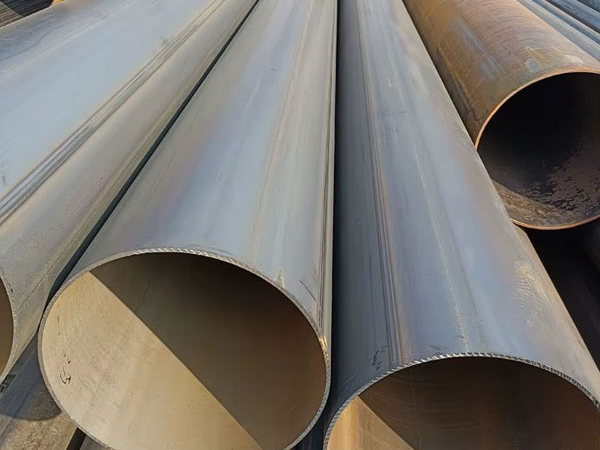 What is the difference between seamless steel pipes and welded steel pipes?
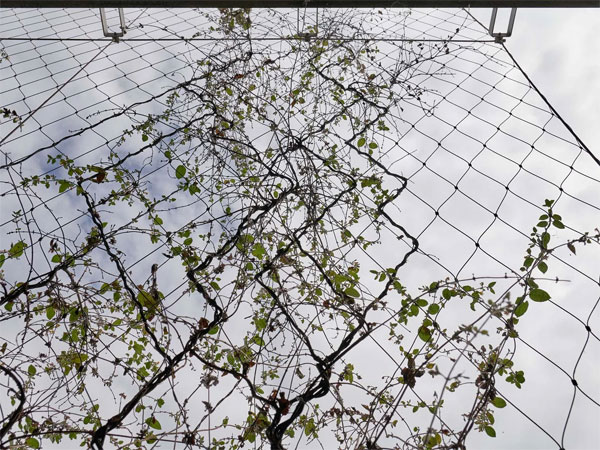 If the wire diameter of a stainless steel rope mesh is reduced, by how much will its impact resistance and load-bearing capacity decrease?
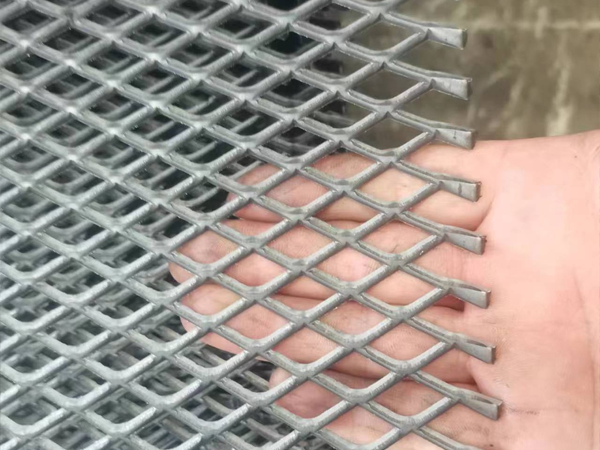 Advantages and Application Scenarios of Expanded Metal Mesh
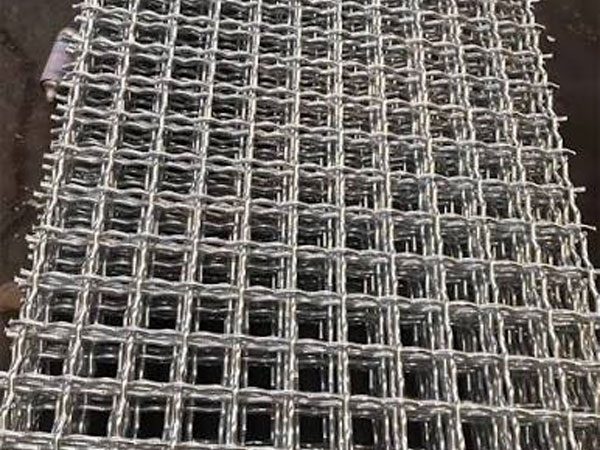 Why Stainless Steel Mining Screens Rust and How to Treat Them After Rusting
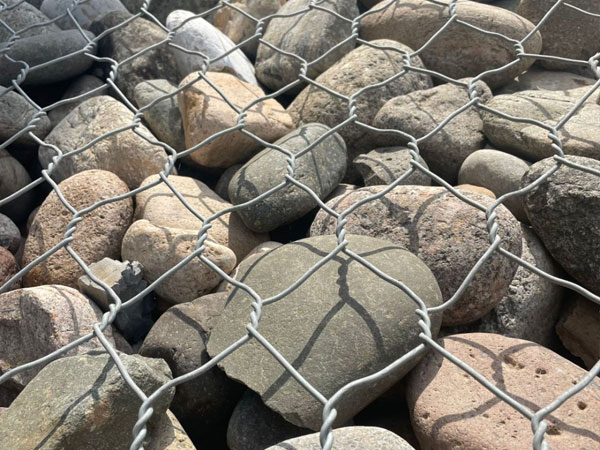 Gabion protection technology
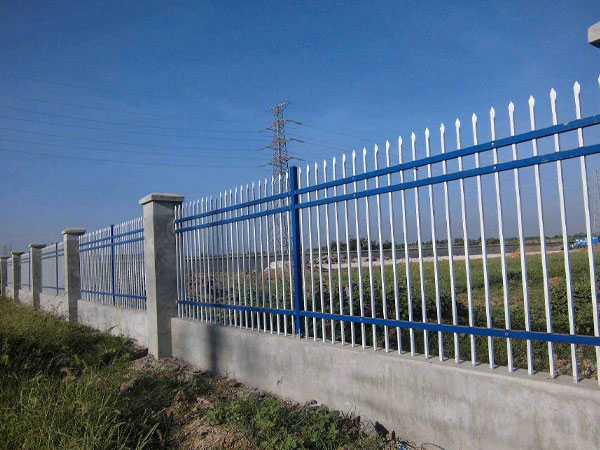 What factors should be considered when selecting zinc-steel fencing?
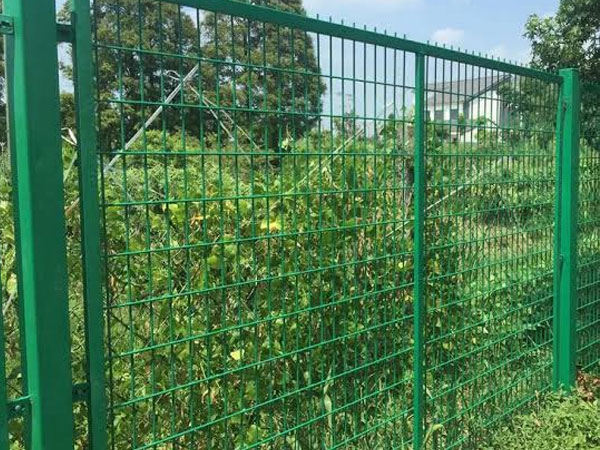 What are the anti-corrosion processes for framed wire mesh fencing?
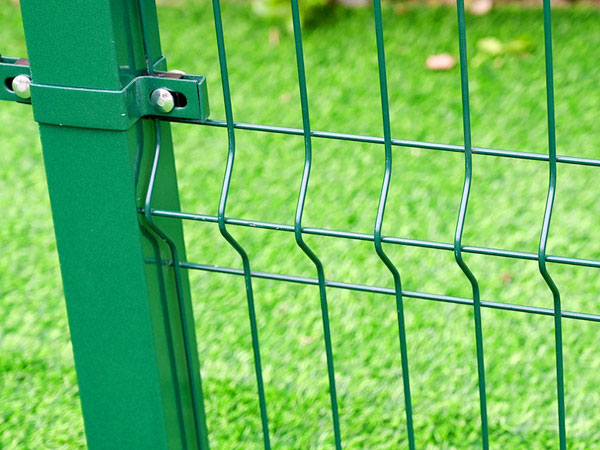 Why are bent-profile guardrails the preferred choice for municipal and industrial park perimeter protection?
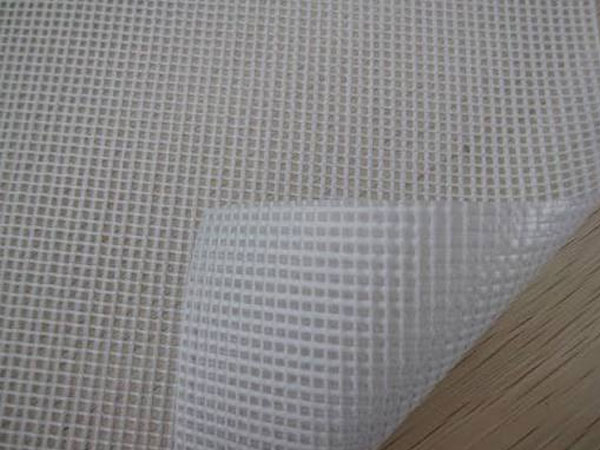 Detailed Procedure for Installing External Wall Insulation Mesh
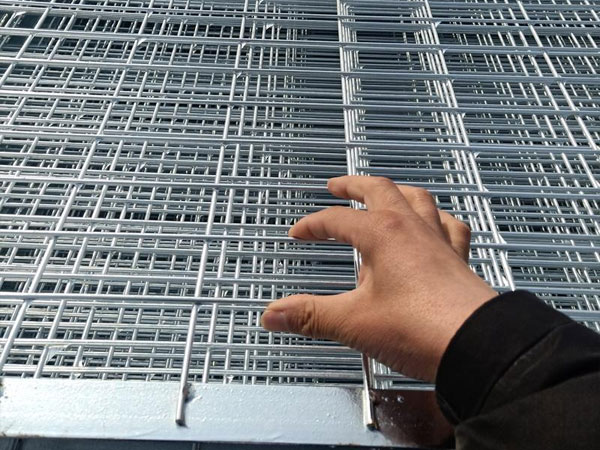 What role does hot-dip galvanizing technology play in guardrail products?
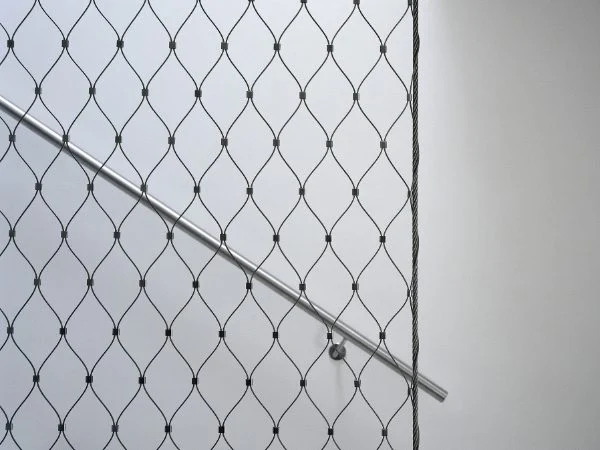 When it comes to balcony safety, it is worth learning more about stainless steel cable mesh fall-prevention netting.
 Understanding the Multifaceted Engineering Value of Stainless Steel Rope Mesh
 How to determine whether manufactured welded wire mesh meets quality standards
 Why is mesh used for wall plastering?
 Four simple steps to teach you how to install wall corner protectors
 How to make the mesh fabric adhere more firmly during external wall insulation?